
5 Ways to Achieve Sustainable Development
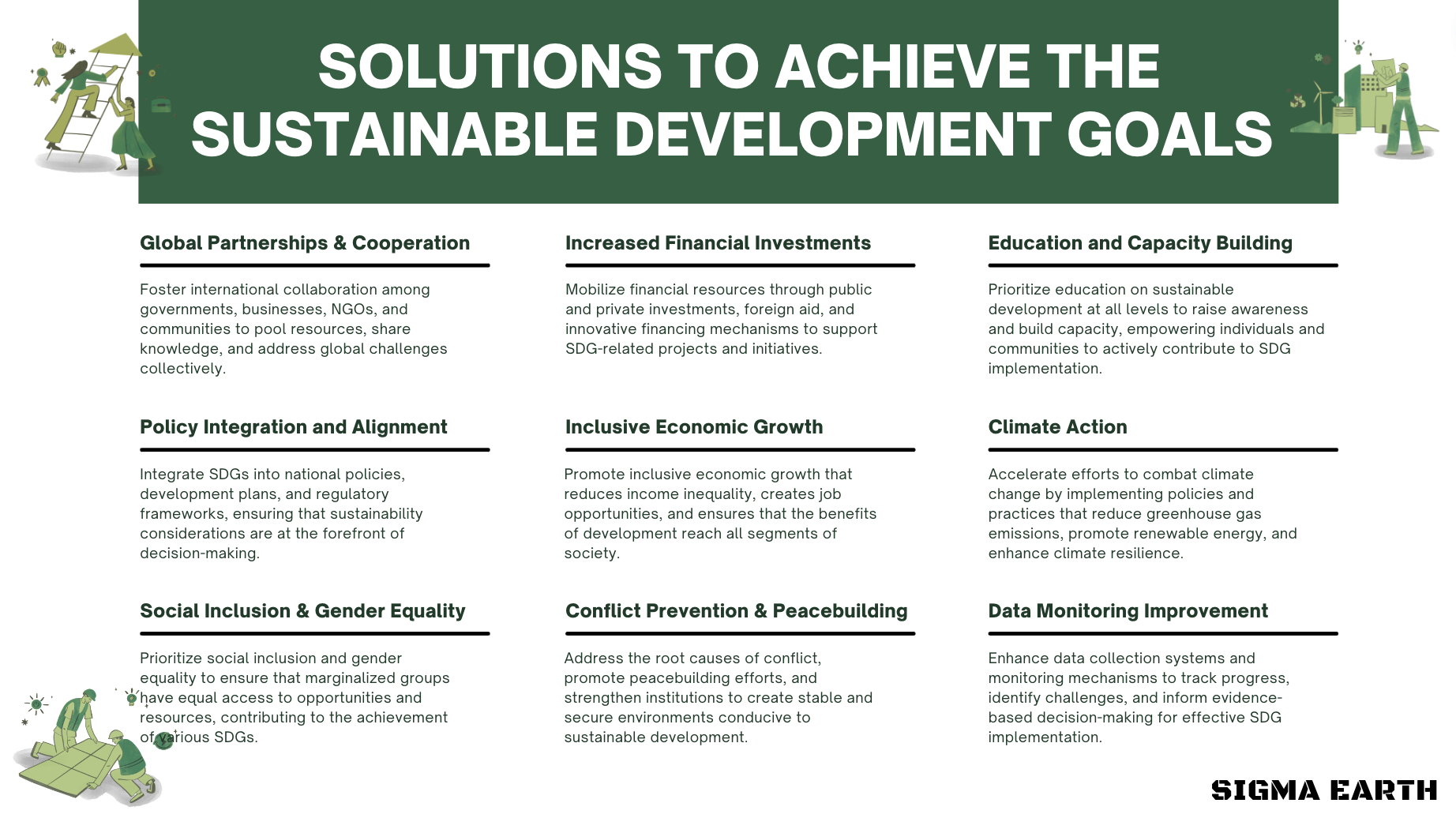
Sustainable development is a crucial concept that aims to meet the needs of the present without compromising the ability of future generations to meet their own needs. It involves finding a balance between economic growth, social progress, and environmental protection. Here are five key ways to achieve sustainable development:
- Promote Renewable Energy: Transitioning from fossil fuels to renewable energy sources such as solar, wind, and hydroelectric power is essential for reducing greenhouse gas emissions and combating climate change. Investing in clean energy technologies not only helps protect the environment but also creates new job opportunities and stimulates economic growth.
- Implement Sustainable Agriculture Practices: Adopting sustainable agriculture practices like organic farming, crop rotation, and agroforestry can help preserve soil fertility, conserve water resources, and reduce the use of harmful pesticides and fertilizers. By promoting sustainable agriculture, we can ensure food security for present and future generations while minimizing environmental degradation.
- Foster Social Equity: Ensuring social equity and inclusivity is a fundamental aspect of sustainable development. By promoting equal access to education, healthcare, employment opportunities, and basic services for all members of society, we can create a more just and resilient community. Addressing issues of poverty, inequality, and social injustice is essential for achieving long-term sustainability.
- Protect Biodiversity: Preserving biodiversity is critical for maintaining healthy ecosystems and safeguarding the planet’s natural resources. By protecting endangered species, conserving habitats, and promoting sustainable land management practices, we can enhance ecosystem resilience and promote ecological balance. Biodiversity conservation is key to ensuring the long-term sustainability of our planet.
- Promote Circular Economy Practices: Transitioning from a linear economy based on resource extraction and waste generation to a circular economy focused on recycling, reusing, and reducing waste is essential for achieving sustainable development. By minimizing waste production, extending product lifecycles, and promoting resource efficiency, we can create a more sustainable economic model that benefits both people and the planet.
By implementing these five strategies—promoting renewable energy, implementing sustainable agriculture practices, fostering social equity, protecting biodiversity, and promoting circular economy practices—we can work towards building a more sustainable future for all. Sustainable development requires collective action at local, national, and global levels to address pressing environmental challenges while promoting economic prosperity and social well-being.
5 Key Strategies for Achieving Sustainable Development: Renewable Energy, Sustainable Agriculture, Social Equity, Biodiversity Protection, and Circular Economy Practices
- Promote Renewable Energy
- Implement Sustainable Agriculture Practices
- Foster Social Equity
- Protect Biodiversity
- Promote Circular Economy Practices
Challenges in Pursuing Sustainable Development: Addressing the Costs and Conflicts of Transition
- Initial high costs of transitioning to renewable energy sources may pose financial challenges for some communities and industries.
- Implementing sustainable agriculture practices requires significant changes in traditional farming methods, which may be met with resistance from farmers.
- Ensuring social equity can be a complex and multifaceted process, requiring extensive policy reforms and societal shifts.
- Protecting biodiversity often involves trade-offs with economic development projects, leading to conflicts over land use and resource allocation.
- Promoting circular economy practices may require substantial investments in infrastructure and technology upgrades, especially for industries reliant on linear production processes.
- Balancing short-term economic interests with long-term sustainability goals can create tensions between immediate profit motives and environmental conservation efforts.
Promote Renewable Energy
Promoting renewable energy is a crucial proponent in achieving sustainable development. By transitioning from fossil fuels to clean energy sources such as solar, wind, and hydroelectric power, we can significantly reduce carbon emissions and combat climate change. Investing in renewable energy not only helps protect the environment but also creates new job opportunities, stimulates economic growth, and enhances energy security. By promoting the widespread adoption of renewable energy technologies, we can pave the way for a more sustainable future for generations to come.
Implement Sustainable Agriculture Practices
Implementing sustainable agriculture practices is a crucial proponent of achieving sustainable development. By embracing methods such as organic farming, crop rotation, and agroforestry, we can not only preserve soil fertility and conserve water resources but also reduce the reliance on harmful pesticides and fertilizers. Sustainable agriculture promotes a harmonious relationship between farming practices and the environment, ensuring long-term food security while minimizing negative impacts on ecosystems. Embracing sustainable agriculture practices is essential for building a resilient and sustainable future for generations to come.
Foster Social Equity
Fostering social equity is a vital proponent of achieving sustainable development as it ensures that all individuals have equal access to opportunities and resources. By promoting inclusivity and addressing issues of poverty, inequality, and social injustice, we can create a more just and resilient society. When everyone has access to education, healthcare, employment opportunities, and basic services, we can build a stronger community that thrives on shared prosperity and well-being. Social equity not only enhances the quality of life for individuals but also contributes to the long-term sustainability of our society as a whole.
Protect Biodiversity
Protecting biodiversity is a crucial proponent of achieving sustainable development. By preserving the variety of life on Earth, we can ensure the resilience of ecosystems, maintain essential ecological processes, and safeguard the natural resources that support human well-being. Biodiversity conservation not only contributes to environmental sustainability but also plays a key role in mitigating climate change, enhancing food security, and promoting overall ecosystem health. Through efforts to protect endangered species, conserve habitats, and promote sustainable land management practices, we can uphold the intricate web of life that sustains our planet and future generations.
Promote Circular Economy Practices
Promoting circular economy practices is a key proponent of achieving sustainable development. By shifting from a linear model of production and consumption to a circular approach that focuses on reducing waste, reusing resources, and recycling materials, we can minimize environmental impact while maximizing resource efficiency. Embracing circular economy principles not only helps to conserve natural resources and reduce greenhouse gas emissions but also fosters innovation, creates new business opportunities, and promotes economic resilience. By closing the loop on material flows and embracing a more sustainable way of doing business, we can pave the way for a more sustainable and prosperous future for generations to come.
Initial high costs of transitioning to renewable energy sources may pose financial challenges for some communities and industries.
The initial high costs associated with transitioning to renewable energy sources can present significant financial challenges for certain communities and industries. While investing in clean energy technologies is crucial for reducing carbon emissions and mitigating climate change, the upfront expenses of installing solar panels, wind turbines, or other renewable energy systems may be prohibitive for some stakeholders. This financial barrier could hinder the widespread adoption of sustainable practices and slow down the transition to a more environmentally friendly energy landscape. Finding innovative financing solutions and providing support to communities facing economic constraints will be essential in overcoming this conundrum and accelerating the shift towards a sustainable future.
Implementing sustainable agriculture practices requires significant changes in traditional farming methods, which may be met with resistance from farmers.
Implementing sustainable agriculture practices poses a con in the journey towards achieving sustainable development, as it demands substantial changes in traditional farming methods that farmers have been accustomed to for generations. This shift can be met with resistance from farmers who may be hesitant to adopt new techniques or technologies due to concerns about potential risks, uncertainties, or initial investment costs. Overcoming this challenge requires effective communication, education, and support systems to help farmers understand the long-term benefits of sustainable practices and provide them with the necessary resources and training to successfully transition to more environmentally-friendly farming methods.
Ensuring social equity can be a complex and multifaceted process, requiring extensive policy reforms and societal shifts.
Ensuring social equity as a means to achieve sustainable development can be a complex and multifaceted process. It involves addressing deep-rooted societal issues, implementing comprehensive policy reforms, and fostering significant shifts in attitudes and behaviors. Achieving social equity requires dismantling systemic barriers to equality, promoting inclusivity, and empowering marginalized communities. It necessitates a commitment to justice, fairness, and respect for human rights across all sectors of society. By recognizing the challenges and complexities inherent in promoting social equity, we can work towards creating a more just and sustainable world for present and future generations.
Protecting biodiversity often involves trade-offs with economic development projects, leading to conflicts over land use and resource allocation.
One significant con of striving to achieve sustainable development through protecting biodiversity is the inherent trade-offs it poses with economic development projects. The need to conserve and preserve natural habitats and species often conflicts with the interests of industries and infrastructure projects that require land use and natural resources. This conflict can lead to contentious debates over resource allocation, land rights, and environmental impact assessments, creating challenges in finding a balance between conservation efforts and economic growth. Balancing the preservation of biodiversity with the demands of economic development requires careful planning, stakeholder engagement, and sustainable land management practices to mitigate conflicts and ensure a harmonious coexistence between nature conservation and human progress.
Promoting circular economy practices may require substantial investments in infrastructure and technology upgrades, especially for industries reliant on linear production processes.
Promoting circular economy practices as a means to achieve sustainable development may present a significant challenge due to the substantial investments required in infrastructure and technology upgrades, particularly for industries that heavily rely on linear production processes. Transitioning from a linear economy to a circular one demands rethinking traditional manufacturing methods, implementing new waste management systems, and integrating innovative technologies to facilitate resource recycling and reuse. The upfront costs associated with these necessary changes can be a barrier for some industries, requiring careful planning, financial support, and collaboration between stakeholders to overcome this conundrum and fully realize the long-term benefits of circular economy practices.
Balancing short-term economic interests with long-term sustainability goals can create tensions between immediate profit motives and environmental conservation efforts.
Balancing short-term economic interests with long-term sustainability goals can create tensions between immediate profit motives and environmental conservation efforts. In a world where businesses often prioritize maximizing profits in the short term, there is a risk of overlooking the long-term consequences of unsustainable practices on the environment. This conundrum highlights the challenge of aligning economic interests with environmental stewardship. Finding a harmonious balance between economic growth and environmental protection requires strategic planning, innovative solutions, and a shift towards sustainable business practices that consider the long-term impacts on both profitability and the planet. Addressing this con is essential for achieving true sustainable development that benefits current and future generations.