
Action on the Climate Crisis: What We Can Do Now
The climate crisis is already affecting communities around the world. Rising temperatures are contributing to more intense heat waves, changing rainfall patterns, worsening wildfires, and rising sea levels. These impacts are not felt equally: people with fewer resources and those most exposed to extreme weather often face the greatest risks.
The scale of the challenge can feel overwhelming, but meaningful action is possible. Governments, businesses, communities, and individuals all have a role to play. Cutting greenhouse gas emissions while preparing for climate impacts can protect people, strengthen communities, and support a healthier environment.
Reduce Emissions at Their Source
Most climate pollution comes from energy use, transportation, industry, agriculture, and the way land is managed. Expanding clean electricity from sources such as wind and solar, improving energy efficiency, and reducing reliance on fossil fuels are essential steps. Cities and towns can also make it easier to walk, bike, or use public transit, while businesses can improve efficiency and choose lower-carbon materials and supply chains.
These changes are most effective when supported by strong public policies and long-term investment. Clear standards, incentives for clean energy, and funding for modern infrastructure can help speed the transition and ensure its benefits reach more people.
Prepare for Climate Impacts
Even with rapid emissions reductions, some climate impacts will continue because of pollution already in the atmosphere. Communities can reduce harm by preparing for heat, floods, drought, wildfires, and other hazards. Practical measures include improving emergency alerts, creating cooling centers, restoring wetlands, upgrading stormwater systems, and planting trees in neighborhoods with little shade.
Climate planning should be guided by local knowledge and include the people most affected. Resilience means more than protecting buildings; it also means supporting public health, reliable services, and strong social networks before and after emergencies.
Make Everyday Choices Count
Individual choices cannot replace government and business action, but they can contribute to broader change. Using less energy at home, choosing efficient appliances, driving less when possible, reducing food waste, and eating more plant-based meals can lower a household’s climate footprint. Supporting local climate initiatives and asking elected officials and businesses to act can extend that impact beyond the home.
There is no single perfect way to take part. The most useful actions are those that fit a person’s circumstances and can be sustained over time. Community projects—such as neighborhood tree planting, clean-energy programs, or local emergency planning—can turn individual concern into collective progress.
Make the Transition Fair
Climate solutions should improve people’s lives, not leave communities behind. Workers and regions that depend on high-emission industries need access to training, good jobs, and economic support as energy systems change. Clean transportation, efficient homes, and reliable energy should be affordable and accessible. A fair transition builds public trust and makes climate action more durable.
Progress Depends on Participation
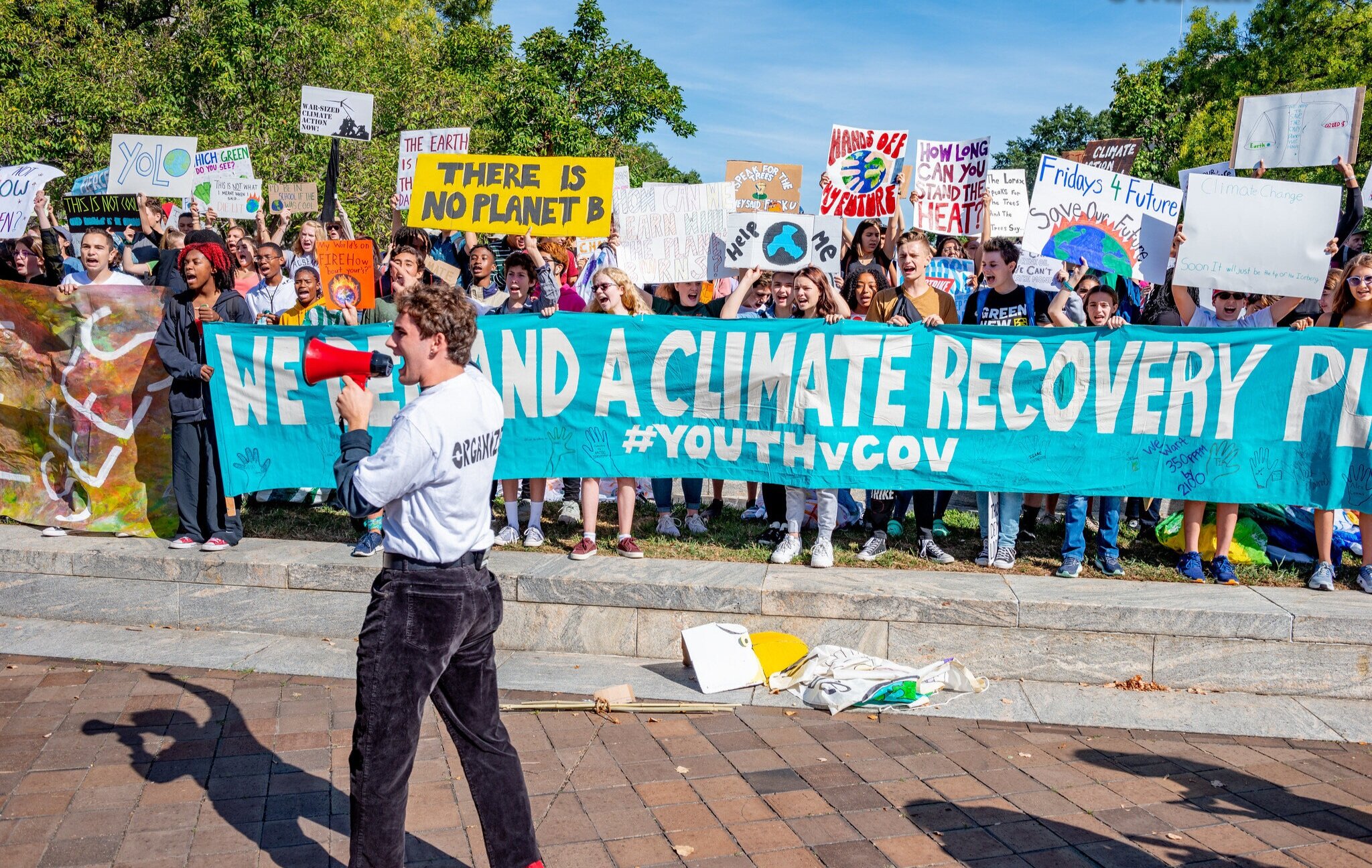
There is no single solution to the climate crisis. Progress comes from combining emissions cuts, preparedness, innovation, and public participation. Every year of delayed action increases risks and costs, while every effective step can help limit future harm.
Taking action starts with learning about the challenges facing a community, supporting practical solutions, and working with others to put them into practice. The climate crisis is a shared challenge, and sustained cooperation can create a safer, healthier, and more resilient future.
9 Essential Questions on Taking Action Against the Climate Crisis
- What is the most effective action to reduce climate change?
- How can individuals reduce their carbon footprint?
- What can communities do to address the climate crisis?
- How can governments help reduce greenhouse gas emissions?
- Does switching to renewable energy make a meaningful difference?
- How can I make my home more energy-efficient?
- What transportation choices have the biggest climate impact?
- How can people prepare for the effects of climate change?
- How can I support climate action in my community?
What is the most effective action to reduce climate change?
The most effective way to reduce climate change is to rapidly cut greenhouse gas emissions, especially by replacing fossil fuels with clean energy and improving energy efficiency across electricity, transportation, buildings, and industry. This requires large-scale action from governments and businesses—such as clean-energy investment, strong emissions standards, and better public transit—alongside individual choices like using less energy and driving less when practical. Individual actions matter, but policies and community-wide changes can make low-emission options accessible and reduce emissions at a much larger scale.
How can individuals reduce their carbon footprint?
Individuals can reduce their carbon footprint by using less energy at home, choosing efficient appliances, walking, biking, carpooling, or taking public transit when practical, and reducing air travel when possible. Eating more plant-based meals, preventing food waste, reusing and repairing items, and choosing products with less packaging can also help. Individual choices matter most when they’re practical and sustained, and people can amplify their impact by supporting community climate projects and advocating for effective action from businesses and governments.
What can communities do to address the climate crisis?
Communities can address the climate crisis by reducing emissions and preparing for local impacts. They can support clean energy and energy-efficient buildings, expand public transit and safe walking and biking routes, reduce waste, and protect or restore trees, wetlands, and other natural areas. Communities can also prepare for heat waves, floods, droughts, and wildfires with emergency plans, cooling centers, stronger infrastructure, and clear public alerts. Including residents—especially those most affected by climate risks—in planning helps ensure solutions are practical, fair, and accessible.
How can governments help reduce greenhouse gas emissions?
Governments can reduce greenhouse gas emissions by setting clear, enforceable limits and investing in cleaner alternatives. They can expand renewable energy, modernize electric grids, improve public transportation, and encourage energy-efficient buildings and vehicles. Policies such as emissions standards, clean-energy incentives, and support for research can help businesses and households cut pollution. Governments can also protect forests and other carbon-storing ecosystems, while ensuring that the transition creates affordable options and good jobs for affected communities.
Does switching to renewable energy make a meaningful difference?
Yes. Switching from fossil fuels to renewable energy such as wind and solar can meaningfully reduce greenhouse gas emissions, especially when it replaces coal- or gas-fired electricity. The impact grows as more homes, businesses, and communities use clean power and as transportation and heating systems become electrified. Renewable energy is not the only climate solution—energy efficiency, better infrastructure, and policies that support a fair transition also matter—but expanding clean electricity is an important way to slow climate change and improve air quality.
How can I make my home more energy-efficient?
You can make your home more energy-efficient by sealing drafts around doors and windows, adding insulation where needed, and using a programmable or smart thermostat to reduce heating and cooling when you’re away or asleep. Replace older light bulbs with LEDs, choose ENERGY STAR® appliances when upgrading, and turn off or unplug devices you’re not using. Regularly maintaining your heating and cooling system—and changing its filters as recommended—can also help reduce energy use. For the biggest savings, consider a professional home energy assessment to identify the improvements that will make the most difference.
What transportation choices have the biggest climate impact?
The biggest climate impact usually comes from frequent flying—especially long-haul trips—and driving a gasoline-powered vehicle alone, particularly a large, fuel-inefficient one. When practical, walking, biking, carpooling, and taking buses or trains can reduce emissions per person. Switching to an electric vehicle can also lower driving emissions, with the benefit depending partly on how the electricity is generated.
How can people prepare for the effects of climate change?
People can prepare for climate change by learning which risks—such as extreme heat, flooding, wildfires, drought, or severe storms—are most likely in their area and following local emergency guidance. Create a household emergency plan, keep essential supplies and important documents ready, sign up for weather alerts, and know where to find cooling centers or evacuation routes. Home improvements, such as sealing windows, adding shade, clearing defensible space around buildings, or reducing flood exposure, can also help. Communities can strengthen preparedness by checking on neighbors, especially older adults and people with disabilities, and supporting local plans that protect essential services and prioritize those most at risk.
How can I support climate action in my community?
You can support climate action in your community by joining a local environmental group, volunteering for projects such as tree planting or neighborhood cleanups, and attending public meetings where climate and transportation plans are discussed. Ask local leaders to invest in clean energy, energy-efficient buildings, public transit, and preparations for extreme weather. You can also support community gardens and local businesses that use sustainable practices, share reliable climate information, and encourage neighbors to get involved. Small efforts can have a greater impact when people work together.