
South Lakes Action on Climate Change: Building a Resilient, Low-Carbon Future
Climate change is already affecting communities around the South Lakes. Warmer temperatures, changing rainfall patterns, and more frequent extreme weather can put pressure on homes, roads, farms, waterways, and wildlife. In a region shaped by lakes, mountains, rivers, and historic communities, responding to these changes is both a local priority and part of a wider global effort.
Action on climate change has two important parts: reducing greenhouse gas emissions and preparing for impacts that are already unavoidable. Across the South Lakes, residents, businesses, community groups, and public bodies can all contribute to both.
Making everyday travel cleaner
Transport is a significant source of carbon emissions. South Lakes geography can make travel challenging, particularly for people living in rural areas, but there are still practical ways to reduce the impact of getting around. Walking, cycling, sharing journeys, and using public transport where available can help cut emissions and improve local air quality.
Better connections between villages, towns, visitor destinations, and transport hubs can make low-carbon travel easier. Employers and tourism businesses can also support alternatives by encouraging car sharing, providing secure cycle parking, and helping visitors plan journeys without relying on a private car.
Warmer, more efficient homes
Improving energy efficiency is one of the most practical ways to reduce household emissions and energy costs. Measures such as loft and wall insulation, draught-proofing, efficient heating controls, and double or secondary glazing can help homes stay warm using less energy.
Many buildings in the South Lakes are older or have distinctive architectural features, so improvements need to be suited to each property. Residents can seek qualified advice before making changes, especially where a building’s character or construction requires special care. Over time, combining efficiency improvements with lower-carbon heating can help households move away from fossil fuels.
Supporting nature and restoring landscapes
Healthy ecosystems can help communities adapt to climate change. Peatlands, woodlands, wetlands, and species-rich grasslands store carbon, support wildlife, and help manage water. Protecting and restoring these habitats can strengthen the landscape while bringing benefits for biodiversity and local livelihoods.
In places vulnerable to heavy rainfall, measures that slow the flow of water through the landscape can help reduce flood pressure downstream. These may include restoring wetlands, planting trees in suitable locations, improving soil health, and reconnecting rivers with their natural floodplains. Such work needs careful planning so that it supports both local communities and the wider environment.
Preparing for a changing climate
Reducing emissions is essential, but the South Lakes also needs to be ready for climate-related risks. Heavy rain can affect roads, bridges, homes, and farmland, while hotter and drier periods can place pressure on water supplies and habitats. Practical preparation may include maintaining drainage, protecting vulnerable infrastructure, planning for heat, and sharing clear information during severe weather.
Local knowledge is especially valuable. Residents, farmers, businesses, and emergency services often understand the risks in their area and can help identify where action is most needed. Coordinated planning can make communities safer and reduce disruption when extreme weather occurs.
How residents and businesses can help
Climate action does not depend on one solution. Individuals can reduce energy use, choose lower-carbon travel when possible, cut waste, and support local nature projects. Businesses can review energy and transport use, reduce food and material waste, and build climate considerations into future plans. Community organizations can bring people together, share practical advice, and help ensure that climate action benefits everyone.
It is also important for climate measures to be fair and accessible. People have different resources and circumstances, and not every household can make costly changes on its own. Well-designed support, trusted guidance, and community partnerships can help more people take part.
A shared effort for the South Lakes
Climate change presents serious challenges, but local action can make a meaningful difference. Cleaner travel, more efficient buildings, restored habitats, and better preparation for extreme weather can help create a healthier and more resilient South Lakes.
Progress depends on sustained cooperation among residents, communities, land managers, businesses, and public services. By combining emissions reduction with practical adaptation, the South Lakes can protect its distinctive landscapes and help secure a safer future for the people and wildlife who depend on them.
Addressing Climate Change: Action Steps, Future Projections, Key Impacts, and Effects on the Great Lakes
- How can we take action against climate change?
- Is climate change getting worse in 2026?
- What are the 7 main impacts of climate change?
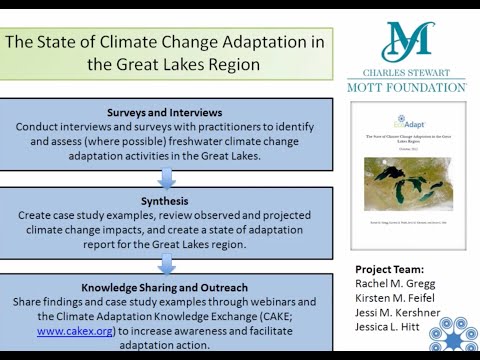
- What are the effects of climate change on the Great Lakes?
How can we take action against climate change?
We can take action against climate change by reducing greenhouse gas emissions and helping our communities prepare for its impacts. In the South Lakes, practical steps include improving home energy efficiency, choosing walking, cycling, public transit, or carpooling when possible, reducing waste, and supporting local renewable energy and habitat-restoration projects. We can also encourage businesses and local decision-makers to adopt effective climate plans and make sure solutions are accessible to everyone. Small actions matter most when they’re part of a shared, sustained effort.
Is climate change getting worse in 2026?
Yes—the long-term trend shows that climate change is worsening, although conditions can vary from year to year and a single season does not tell the whole story. Globally, rising greenhouse gas levels are driving higher temperatures and increasing the risks of heat, intense rainfall, drought, and other extremes. In the South Lakes, these changes can affect communities, infrastructure, farming, waterways, and wildlife. Reliable assessments of 2026 itself will depend on observations collected and reviewed over time, but reducing emissions and preparing for local risks remain important now.
What are the 7 main impacts of climate change?
The seven main impacts of climate change are rising temperatures and more heatwaves; changing rainfall patterns and longer periods of drought; heavier rain and increased flood risk; sea-level rise and coastal erosion; damage to wildlife, habitats, and ecosystems; greater risks to human health, including heat stress and poorer air quality; and disruption to food, water supplies, homes, transport, and local businesses. In the South Lakes, the effects can vary by location, but changing weather and pressure on natural landscapes and infrastructure make both cutting emissions and preparing for future risks important.
What are the effects of climate change on the Great Lakes?
Climate change is warming the Great Lakes and reducing winter ice cover, which can increase evaporation and contribute to greater swings in water levels. Heavier rainstorms can worsen flooding, shoreline erosion, and runoff pollution, while warmer water can encourage harmful algal blooms and disrupt fish and other wildlife. These changes may also affect drinking water, recreation, shipping, and coastal infrastructure, making emissions reduction and climate preparedness important across the region.