
The Importance of Climate Action Solutions for Achieving SDG 13
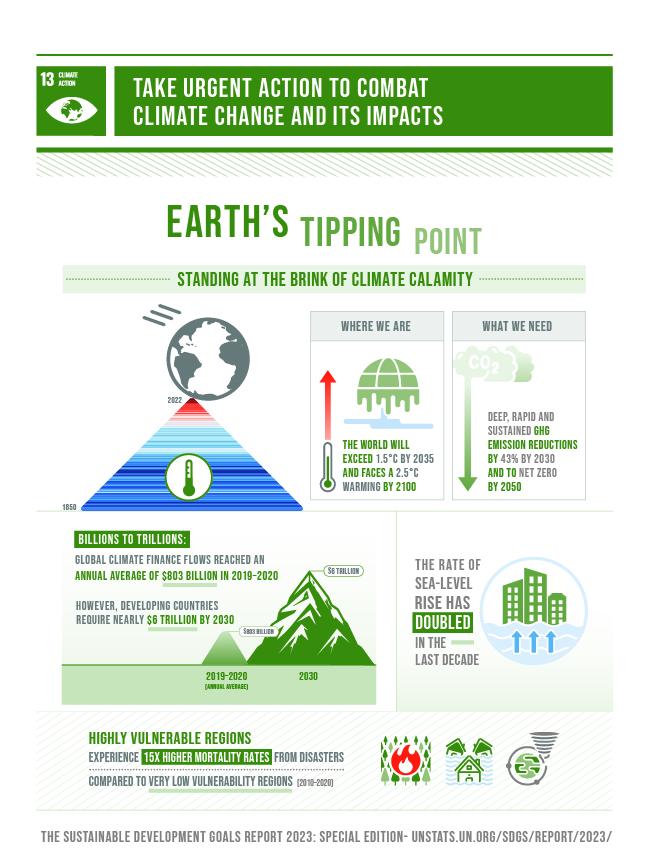
SDG 13, also known as Sustainable Development Goal 13, focuses on taking urgent action to combat climate change and its impacts. Climate change is one of the most pressing challenges of our time, affecting ecosystems, communities, and economies worldwide. To address this issue effectively, innovative solutions and collective efforts are required.
Renewable Energy Transition
One key solution to combat climate change is the transition to renewable energy sources. By shifting away from fossil fuels and embracing clean energy technologies such as solar, wind, and hydroelectric power, countries can significantly reduce their carbon emissions and mitigate the effects of global warming.
Reforestation and Afforestation
Another crucial strategy for climate action is reforestation and afforestation. Trees play a vital role in absorbing carbon dioxide from the atmosphere and helping to regulate the climate. By planting trees and restoring forest ecosystems, we can enhance carbon sequestration and biodiversity conservation.
Sustainable Agriculture Practices
Agriculture is a significant contributor to greenhouse gas emissions. Implementing sustainable agricultural practices such as organic farming, agroforestry, and precision agriculture can help reduce emissions, preserve soil health, and promote food security in a changing climate.
Climate Resilience Building
Building resilience to climate impacts is essential for communities vulnerable to extreme weather events such as floods, droughts, and storms. Investing in infrastructure upgrades, early warning systems, and disaster preparedness initiatives can help mitigate risks and protect lives and livelihoods.
Global Collaboration and Advocacy
Achieving SDG 13 requires global collaboration among governments, businesses, civil society organizations, and individuals. By advocating for ambitious climate policies, supporting international agreements like the Paris Agreement, and raising awareness about the importance of climate action, we can drive positive change on a global scale.
5 Effective Strategies for Tackling Climate Change and Advancing SDG 13
- Reduce carbon emissions by using renewable energy sources such as solar or wind power.
- Promote energy efficiency in buildings and transportation to lower greenhouse gas emissions.
- Support reforestation and afforestation projects to absorb CO2 from the atmosphere.
- Advocate for sustainable agricultural practices to reduce methane emissions from livestock and soil.
- Raise awareness about climate change and its impacts to inspire community action and policy changes.
Reduce carbon emissions by using renewable energy sources such as solar or wind power.
Reducing carbon emissions by transitioning to renewable energy sources like solar or wind power is a crucial step in addressing climate change and achieving Sustainable Development Goal 13. By harnessing clean energy technologies, we can significantly decrease our reliance on fossil fuels, cut down greenhouse gas emissions, and move towards a more sustainable and environmentally friendly energy system. Embracing renewable energy not only helps combat global warming but also promotes energy independence, creates green jobs, and fosters a cleaner and healthier planet for future generations.
Promote energy efficiency in buildings and transportation to lower greenhouse gas emissions.
Promoting energy efficiency in buildings and transportation is a crucial strategy for lowering greenhouse gas emissions and advancing SDG 13 climate action solutions. By implementing energy-efficient technologies, improving insulation, using sustainable materials, and investing in public transportation systems, we can significantly reduce the carbon footprint associated with our built environment and daily travel. These efforts not only help combat climate change but also lead to cost savings, improved air quality, and enhanced overall sustainability in our communities.
Support reforestation and afforestation projects to absorb CO2 from the atmosphere.
Supporting reforestation and afforestation projects is a crucial step in addressing SDG 13 climate action solutions. By planting trees and restoring forest ecosystems, we can help absorb carbon dioxide from the atmosphere, mitigating the impacts of climate change. Trees act as natural carbon sinks, playing a vital role in regulating the Earth’s climate and promoting biodiversity. Investing in these projects not only helps combat global warming but also contributes to creating healthier ecosystems for future generations.
Advocate for sustainable agricultural practices to reduce methane emissions from livestock and soil.
Advocating for sustainable agricultural practices is a crucial step in addressing SDG 13 climate action solutions. By promoting methods that reduce methane emissions from livestock and soil, such as implementing rotational grazing, optimizing feed efficiency, and adopting regenerative farming techniques, we can significantly mitigate the environmental impact of agriculture. These practices not only help combat climate change by lowering greenhouse gas emissions but also contribute to soil health, biodiversity conservation, and overall sustainability in the agricultural sector. By advocating for and implementing these solutions, we can work towards a more resilient and environmentally-friendly food production system.
Raise awareness about climate change and its impacts to inspire community action and policy changes.
Raising awareness about climate change and its impacts is a crucial step in fostering community action and driving policy changes to address SDG 13. By educating individuals about the urgent need for climate action, we can inspire collective efforts towards sustainable practices and advocacy for policies that prioritize environmental conservation. Increased awareness can empower communities to make informed choices, support renewable energy initiatives, and engage in climate resilience-building activities, ultimately contributing to a more resilient and sustainable future for all.