
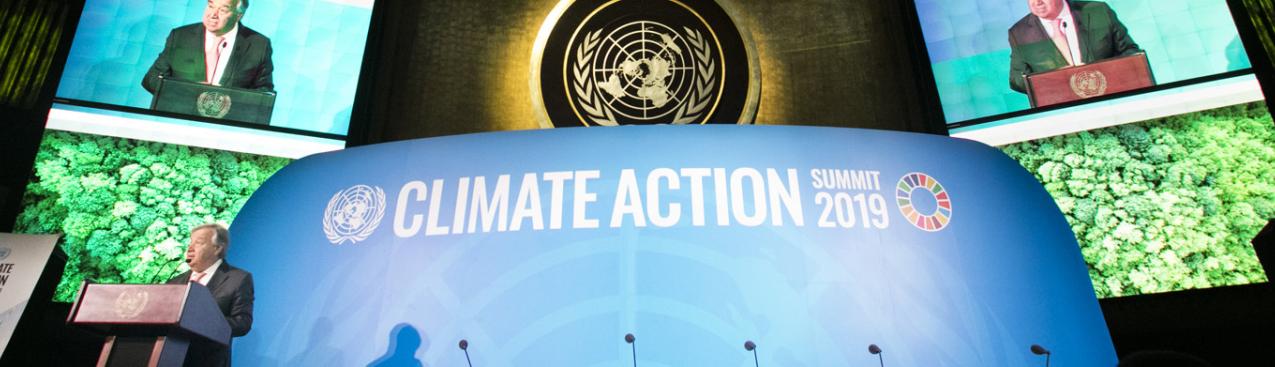
The Year of Climate Action: Looking Back at 2019
2019 was a pivotal year for climate action around the world. With increasing awareness of the urgent need to address climate change, individuals, communities, and governments came together to make significant strides towards a more sustainable future.
Global Climate Strikes
One of the defining moments of 2019 was the global climate strikes led by youth activists like Greta Thunberg. Millions of people took to the streets in cities worldwide to demand immediate action on climate change. These strikes sparked a sense of urgency and mobilized a new generation of environmental advocates.
Renewable Energy Expansion
In 2019, renewable energy sources continued to gain momentum as viable alternatives to fossil fuels. Countries around the world invested in solar, wind, and hydroelectric power projects, leading to a significant increase in renewable energy capacity. This shift towards cleaner energy sources marked a crucial step towards reducing carbon emissions.
Policy Changes and Commitments
Several countries announced ambitious climate targets and policy changes in 2019. The European Union declared a goal of becoming carbon neutral by 2050, while other nations pledged to increase their efforts to mitigate climate change. The adoption of the Paris Agreement Rulebook at COP25 also reinforced global commitments to combatting climate change.
Nature-Based Solutions
The importance of nature-based solutions in addressing climate change gained recognition in 2019. Initiatives such as reforestation projects, sustainable land management practices, and conservation efforts were highlighted for their role in sequestering carbon and enhancing resilience to climate impacts.
Challenges Ahead
While progress was made in 2019, significant challenges remain on the path to achieving global climate goals. The need for greater collaboration between nations, accelerated emission reductions, and increased public engagement are critical for overcoming these challenges and securing a sustainable future for generations to come.
6 Essential Tips for Taking Climate Action in 2019
- Reduce, reuse, and recycle to minimize waste and conserve resources.
- Choose energy-efficient appliances and lighting to reduce electricity consumption.
- Support renewable energy sources like solar or wind power for a cleaner environment.
- Use public transportation, carpooling, or biking instead of driving alone to reduce carbon emissions.
- Plant trees and support reforestation efforts to absorb CO2 from the atmosphere.
- Educate yourself and others about climate change issues and advocate for sustainable practices.
Reduce, reuse, and recycle to minimize waste and conserve resources.
Reducing, reusing, and recycling were key principles in climate action efforts in 2019. By embracing these practices, individuals and communities were able to minimize waste generation, conserve valuable resources, and reduce their environmental impact. Reducing consumption, reusing items whenever possible, and recycling materials not only helped in reducing greenhouse gas emissions but also promoted a more sustainable lifestyle. These simple yet effective actions played a significant role in promoting a circular economy and fostering a culture of responsible resource management for a greener future.
Choose energy-efficient appliances and lighting to reduce electricity consumption.
Choosing energy-efficient appliances and lighting in 2019 was a key tip for climate action, helping individuals and households reduce electricity consumption and lower their carbon footprint. By opting for appliances with high Energy Star ratings and switching to LED bulbs, people not only saved on energy costs but also contributed to a more sustainable future by decreasing overall electricity demand. This simple yet effective choice played a significant role in promoting energy conservation and combating climate change.
Support renewable energy sources like solar or wind power for a cleaner environment.
Supporting renewable energy sources such as solar or wind power in 2019 was a crucial step towards creating a cleaner environment. By shifting towards sustainable energy alternatives, individuals and communities contributed to reducing reliance on fossil fuels and decreasing harmful greenhouse gas emissions. Embracing renewable energy not only helps combat climate change but also promotes innovation in the clean energy sector, paving the way for a more sustainable future for generations to come.
Use public transportation, carpooling, or biking instead of driving alone to reduce carbon emissions.
By utilizing public transportation, carpooling, or biking instead of driving solo, individuals can significantly contribute to reducing carbon emissions and combating climate change. In 2019, this simple yet effective tip gained traction as more people recognized the environmental benefits of choosing sustainable transportation options. By opting for shared modes of travel or cycling, individuals not only reduce their carbon footprint but also promote a cleaner and healthier environment for all. This shift in transportation habits reflects a growing commitment to climate action and underscores the importance of making eco-conscious choices in everyday life.
Plant trees and support reforestation efforts to absorb CO2 from the atmosphere.
Planting trees and supporting reforestation efforts in 2019 played a crucial role in climate action by helping to absorb CO2 from the atmosphere. Trees act as natural carbon sinks, capturing and storing carbon dioxide through photosynthesis. By expanding forest cover and restoring degraded landscapes, individuals and organizations contributed to mitigating the impacts of climate change. This simple yet effective strategy not only helps combat global warming but also promotes biodiversity conservation and enhances ecosystem resilience.
Educate yourself and others about climate change issues and advocate for sustainable practices.
To make a meaningful impact on climate action in 2019, it is crucial to educate oneself and others about climate change issues and advocate for sustainable practices. By staying informed about the latest developments in climate science and understanding the interconnected nature of environmental challenges, individuals can effectively communicate the urgency of taking action. By promoting sustainable practices in daily life and encouraging others to do the same, we can collectively work towards a more environmentally conscious and resilient future.