
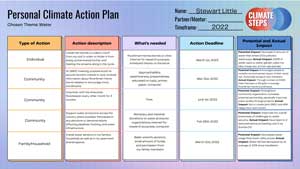
The Best Climate Action Plans for a Sustainable Future
Climate change is one of the most pressing issues of our time, and urgent action is needed to mitigate its impacts. Governments, organizations, and individuals around the world are implementing various climate action plans to reduce greenhouse gas emissions, adapt to changing climates, and foster sustainability. Here are some of the best climate action plans that are paving the way towards a more sustainable future:
Paris Agreement
The Paris Agreement is a landmark international treaty that aims to limit global warming to well below 2 degrees Celsius above pre-industrial levels. It sets out binding commitments for countries to reduce their greenhouse gas emissions and enhance their climate resilience. The agreement has been signed by nearly every country in the world, making it a crucial framework for global climate action.
Renewable Energy Transition
Transitioning to renewable energy sources such as solar, wind, and hydropower is a key component of many climate action plans. By reducing reliance on fossil fuels and promoting clean energy alternatives, countries can significantly decrease their carbon footprint and combat climate change effectively.
Reforestation and Afforestation
Preserving and restoring forests play a vital role in sequestering carbon dioxide from the atmosphere. Reforestation initiatives aim to replant trees in deforested areas, while afforestation projects involve planting trees in areas that were not previously forested. These efforts help absorb carbon emissions and promote biodiversity.
Sustainable Transportation
Promoting sustainable modes of transportation such as public transit, cycling, and electric vehicles can significantly reduce greenhouse gas emissions from the transportation sector. Investing in infrastructure for eco-friendly transportation options is essential for achieving climate goals and improving air quality in urban areas.
Circular Economy Practices
The concept of a circular economy involves minimizing waste generation by reusing, recycling, and repurposing resources throughout their lifecycle. By adopting circular economy practices, businesses can reduce their environmental impact, conserve natural resources, and contribute to a more sustainable future.
In conclusion, effective climate action plans require collaboration at all levels – from individual actions to international agreements. By implementing strategies like those mentioned above and continuously striving for innovation and improvement, we can work together towards a greener planet and a more sustainable future for generations to come.
Understanding Climate Action Plans: Key Questions and Insights
- What are climate action plans?
- Why are climate action plans important?
- How do climate action plans help combat climate change?
- What are some key components of effective climate action plans?
- How can individuals contribute to climate action plans?
- What role do governments play in implementing climate action plans?
- Are there successful examples of countries or regions with effective climate action plans?
What are climate action plans?
Climate action plans are comprehensive strategies developed by governments, organizations, and communities to address the challenges posed by climate change. These plans outline specific measures and initiatives aimed at reducing greenhouse gas emissions, adapting to changing climates, and promoting sustainability. Climate action plans often include a combination of policies, programs, and projects designed to mitigate the impacts of climate change and transition towards a more environmentally friendly and resilient future. By setting clear goals and implementing targeted actions, climate action plans play a crucial role in shaping a sustainable path forward for our planet.
Why are climate action plans important?
Climate action plans are crucial for addressing the pressing issue of climate change and its far-reaching impacts on our planet. By implementing effective climate action plans, we can significantly reduce greenhouse gas emissions, mitigate the effects of global warming, and promote sustainability. These plans provide a roadmap for governments, organizations, and individuals to take concrete steps towards a greener future by transitioning to renewable energy sources, preserving ecosystems, and adopting sustainable practices. Ultimately, climate action plans are essential for safeguarding the environment, protecting biodiversity, and ensuring a habitable planet for current and future generations.
How do climate action plans help combat climate change?
Climate action plans play a crucial role in combating climate change by providing a structured framework for reducing greenhouse gas emissions, promoting sustainability, and enhancing resilience to climate impacts. These plans outline specific strategies and initiatives that target key sectors such as energy, transportation, agriculture, and waste management to mitigate the effects of climate change. By setting clear goals, implementing renewable energy solutions, promoting sustainable practices, and fostering international cooperation, climate action plans contribute to slowing the rate of global warming and protecting the environment for future generations.
What are some key components of effective climate action plans?
Effective climate action plans encompass a range of key components that are crucial for combating climate change and promoting sustainability. Some essential elements include setting ambitious emissions reduction targets, transitioning to renewable energy sources, investing in sustainable transportation infrastructure, promoting energy efficiency measures, fostering reforestation and afforestation initiatives, implementing policies to reduce waste and promote recycling, and engaging in international cooperation to address global climate challenges. By incorporating these components into comprehensive and well-coordinated strategies, climate action plans can make significant strides towards a more resilient and low-carbon future.
How can individuals contribute to climate action plans?
Individuals play a crucial role in contributing to climate action plans through their everyday choices and actions. By adopting sustainable practices such as reducing energy consumption, using public transportation or carpooling, recycling and composting, supporting renewable energy sources, and advocating for environmental policies, individuals can significantly reduce their carbon footprint and support the transition to a more sustainable future. Additionally, raising awareness about climate change and engaging in community initiatives can amplify the impact of individual efforts and inspire others to take action towards mitigating climate change.
What role do governments play in implementing climate action plans?
Governments play a crucial role in implementing climate action plans by setting policies, regulations, and targets that drive sustainable practices and reduce greenhouse gas emissions. They have the power to create frameworks that incentivize renewable energy adoption, promote sustainable transportation, and enforce emissions reduction measures. Additionally, governments can allocate funding for climate initiatives, support research and development of green technologies, and engage in international cooperation to address global climate challenges. Through effective governance and leadership, governments can lead the way in transitioning towards a low-carbon economy and building a more resilient future for all.
Are there successful examples of countries or regions with effective climate action plans?
There are indeed successful examples of countries and regions that have implemented effective climate action plans to address the challenges of climate change. For instance, countries like Sweden, Denmark, and Finland have made significant strides in reducing their greenhouse gas emissions by investing in renewable energy sources, promoting sustainable transportation options, and implementing policies to increase energy efficiency. Furthermore, regions such as California in the United States and the European Union have demonstrated leadership in combating climate change through ambitious targets for emission reductions, support for clean technologies, and initiatives to promote green innovation. These success stories serve as inspiring models for other nations seeking to develop and implement robust climate action plans for a more sustainable future.