
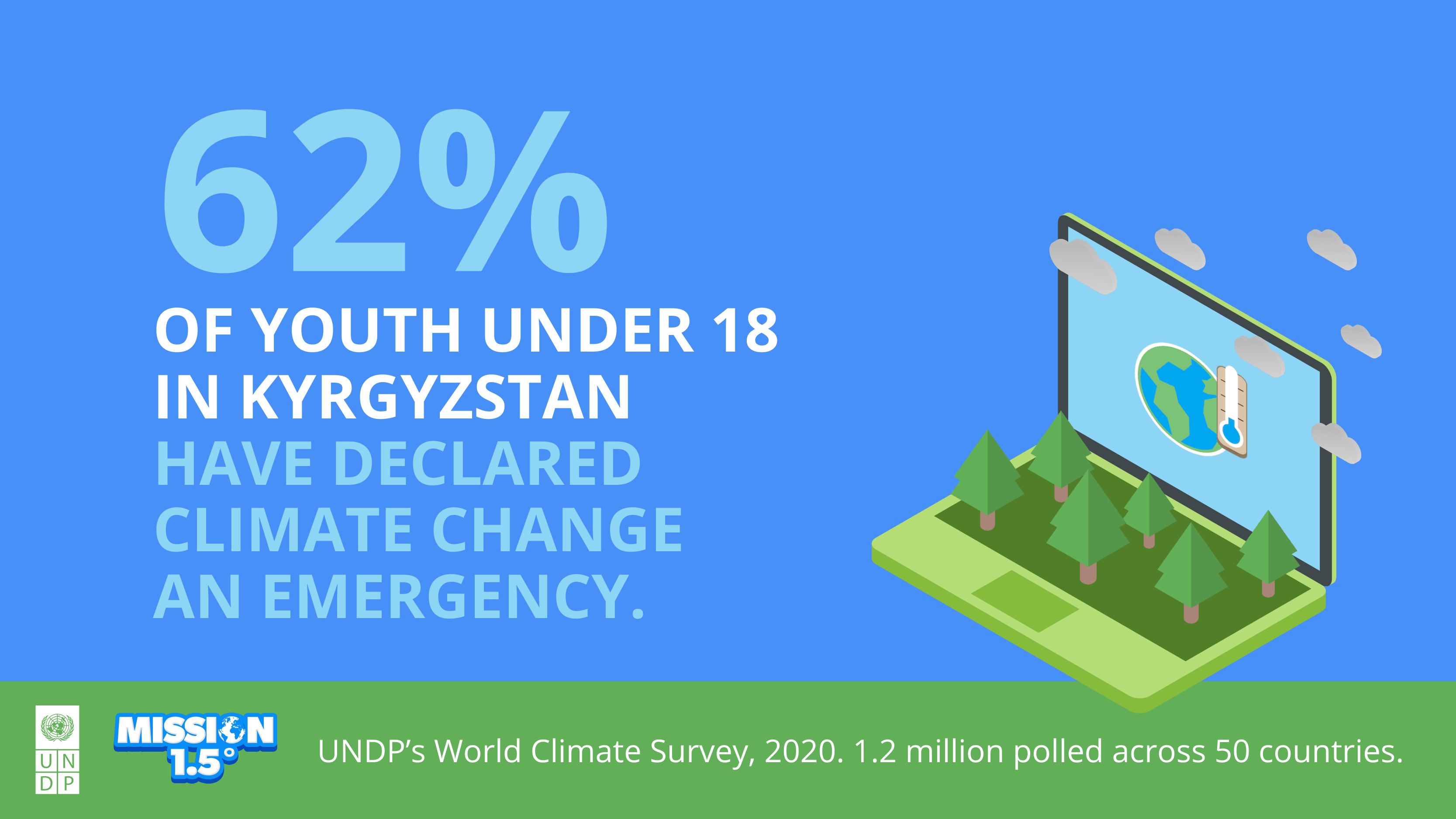
The Urgency of Climate Action: United Nations Initiatives
Climate change poses one of the most pressing challenges of our time, with far-reaching implications for the planet and its inhabitants. Recognizing the urgent need for collective action, the United Nations has taken a proactive stance in addressing this global issue through various initiatives aimed at mitigating climate change and promoting sustainability.
The Paris Agreement
One of the landmark achievements in international climate action is the Paris Agreement, adopted in 2015 under the United Nations Framework Convention on Climate Change (UNFCCC). This historic accord aims to limit global warming to well below 2 degrees Celsius above pre-industrial levels, with efforts to limit it to 1.5 degrees Celsius. Countries that are party to the agreement commit to nationally determined contributions (NDCs) to reduce greenhouse gas emissions and enhance resilience to climate impacts.
Sustainable Development Goals
The United Nations Sustainable Development Goals (SDGs) also play a crucial role in advancing climate action. Goal 13 specifically focuses on climate action and calls for urgent measures to combat climate change and its impacts. By integrating climate considerations into broader development agendas, the SDGs provide a comprehensive framework for addressing environmental challenges while promoting social and economic progress.
The Climate Action Summit
In September 2019, the United Nations Secretary-General convened the Climate Action Summit in New York, bringing together world leaders, businesses, civil society organizations, and youth representatives to ramp up ambition and accelerate actions towards achieving the goals of the Paris Agreement. The summit showcased innovative solutions and commitments from various stakeholders to enhance climate resilience and reduce emissions.
Building Momentum for Change
Through its various platforms and initiatives, the United Nations continues to mobilize global support for ambitious climate action. From promoting renewable energy sources to advocating for sustainable land use practices, the UN plays a pivotal role in fostering collaboration among nations and driving transformative change at both local and international levels.
As we confront the escalating impacts of climate change, it is imperative that we heed the call for decisive action put forth by the United Nations. By embracing sustainable practices, reducing carbon footprints, and advocating for policy changes that prioritize environmental protection, we can collectively work towards a more resilient and sustainable future for generations to come.
Understanding the UN’s Role in Climate Action: Key Questions Answered
- What is the UN doing to fight climate change?
- What is meant by climate action?
- What is the UN Agency on climate change?
- What is UN climate action?
What is the UN doing to fight climate change?
The United Nations is actively engaged in combating climate change through a range of initiatives and frameworks aimed at addressing this global crisis. Key among these efforts is the implementation of the Paris Agreement, a landmark accord that sets targets for reducing greenhouse gas emissions and enhancing climate resilience. Additionally, the UN promotes sustainable development goals that integrate climate action as a core component of global agendas. Through platforms like the Climate Action Summit and ongoing advocacy for renewable energy and sustainable practices, the UN plays a pivotal role in mobilizing international support and driving meaningful change to mitigate the impacts of climate change on our planet.
What is meant by climate action?
Climate action refers to the collective efforts and initiatives undertaken to address climate change and its impacts on the environment. It encompasses a wide range of activities aimed at reducing greenhouse gas emissions, promoting sustainable practices, and enhancing resilience to climate-related challenges. Climate action involves implementing policies, technologies, and behavioral changes that contribute to mitigating global warming and fostering a more sustainable future for all. By taking decisive steps to combat climate change through adaptation and mitigation strategies, individuals, communities, businesses, and governments can play a vital role in safeguarding the planet for present and future generations.
What is the UN Agency on climate change?
The United Nations agency dedicated to addressing climate change is the United Nations Framework Convention on Climate Change (UNFCCC). Established in 1992, the UNFCCC serves as the primary international treaty that brings countries together to combat global warming and its impacts. The agency facilitates negotiations among nations to develop and implement strategies for reducing greenhouse gas emissions, adapting to climate change, and promoting sustainable development practices. Through initiatives such as the Paris Agreement and various conferences of the parties (COP), the UNFCCC plays a crucial role in coordinating global efforts to tackle the climate crisis and foster a more sustainable future for all.
What is UN climate action?
UN climate action refers to the collective efforts and initiatives undertaken by the United Nations to address the challenges of climate change on a global scale. Through frameworks such as the Paris Agreement and the Sustainable Development Goals, the UN promotes measures aimed at reducing greenhouse gas emissions, enhancing resilience to climate impacts, and fostering sustainable development practices. UN climate action encompasses a wide range of activities, including advocating for policy changes, facilitating international cooperation, promoting renewable energy sources, and raising awareness about the importance of mitigating climate change. By spearheading these efforts, the United Nations plays a crucial role in mobilizing stakeholders worldwide to work towards a more sustainable and climate-resilient future.