
The Interplay Between Economic Globalization and Sustainable Development
Economic globalization, characterized by the interconnectedness of economies through trade, investments, and technology, has brought both opportunities and challenges to sustainable development efforts worldwide.
On one hand, economic globalization has facilitated the movement of goods, services, and capital across borders, leading to increased economic growth and job creation in many countries. This has the potential to lift people out of poverty and improve living standards. However, the pursuit of economic growth at all costs can also have negative impacts on the environment and society.
Globalization has led to increased consumption patterns, resource exploitation, and environmental degradation. Unsustainable production practices have contributed to climate change, loss of biodiversity, and pollution. Moreover, economic globalization has often resulted in social inequalities, as marginalized communities are disproportionately affected by the negative consequences of unsustainable development.
For sustainable development to be achieved in the era of economic globalization, a balance must be struck between economic growth, social equity, and environmental protection. Policies that promote responsible business practices, ethical investments, and green technologies are essential for creating a more sustainable global economy.
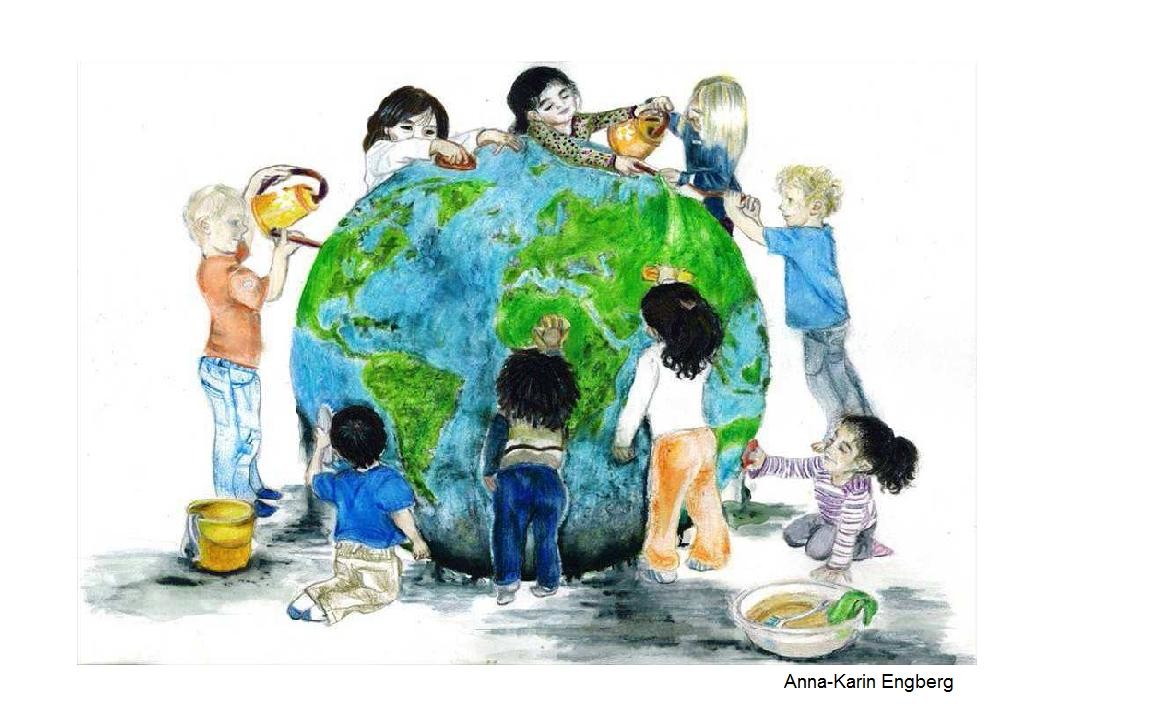
International cooperation is also crucial in addressing global challenges such as climate change and poverty. By working together across borders, countries can develop strategies for sustainable development that benefit all people while preserving the planet for future generations.
In conclusion, economic globalization presents both opportunities and challenges for sustainable development. By promoting inclusive growth, protecting the environment, and fostering social equity on a global scale, we can harness the benefits of economic globalization while ensuring a more sustainable future for all.
5 Essential Strategies for Balancing Economic Globalization and Sustainable Development
- Promote fair trade practices to ensure equitable distribution of benefits in the global economy.
- Encourage investment in renewable energy sources and sustainable technologies to reduce environmental impact.
- Support policies that prioritize social welfare, education, and healthcare to achieve sustainable development goals.
- Foster international cooperation and partnerships to address cross-border economic and environmental challenges.
- Monitor and assess the impact of globalization on local communities to mitigate negative consequences and promote inclusive growth.
Promote fair trade practices to ensure equitable distribution of benefits in the global economy.
Promoting fair trade practices is essential to ensure an equitable distribution of benefits in the global economy. By prioritizing fair wages, safe working conditions, and environmentally sustainable production methods, fair trade initiatives help uplift marginalized producers and workers in developing countries. This approach fosters economic empowerment, social equity, and environmental stewardship, contributing to a more sustainable and inclusive global economy where all stakeholders can thrive.
Encourage investment in renewable energy sources and sustainable technologies to reduce environmental impact.
Encouraging investment in renewable energy sources and sustainable technologies is a crucial step towards reducing the environmental impact of economic globalization and promoting sustainable development. By shifting towards cleaner energy sources such as solar, wind, and hydroelectric power, we can decrease our reliance on fossil fuels and lower greenhouse gas emissions. Investing in sustainable technologies not only helps protect the environment but also creates opportunities for innovation, job creation, and economic growth. By prioritizing renewable energy investments, we can pave the way for a more sustainable future for generations to come.
Support policies that prioritize social welfare, education, and healthcare to achieve sustainable development goals.
Supporting policies that prioritize social welfare, education, and healthcare is crucial in achieving sustainable development goals in the context of economic globalization. By investing in these areas, countries can ensure that their populations are healthy, educated, and equipped with the skills needed to thrive in a globalized economy. Access to quality healthcare and education not only improves individual well-being but also contributes to overall economic growth and social stability. Prioritizing social welfare initiatives helps create a more equitable society where all individuals have the opportunity to reach their full potential, ultimately leading to a more sustainable and prosperous future for everyone.
Foster international cooperation and partnerships to address cross-border economic and environmental challenges.
Fostering international cooperation and forming partnerships is essential in addressing cross-border economic and environmental challenges posed by economic globalization. By working together across borders, countries can share knowledge, resources, and best practices to develop sustainable solutions that benefit all nations. Collaborative efforts can lead to the implementation of policies and initiatives that promote responsible economic growth while safeguarding the environment. Through strong partnerships, we can address global issues such as climate change, resource depletion, and social inequality, creating a more sustainable future for generations to come.
Monitor and assess the impact of globalization on local communities to mitigate negative consequences and promote inclusive growth.
Monitoring and assessing the impact of economic globalization on local communities is crucial in mitigating negative consequences and promoting inclusive growth. By closely examining how globalization influences various aspects of community life, such as employment opportunities, access to resources, and social dynamics, policymakers and stakeholders can identify areas that require attention and intervention. This proactive approach allows for the implementation of targeted strategies to address disparities, protect vulnerable populations, and ensure that the benefits of globalization are equitably distributed among all members of society. Through continuous assessment and adaptation, local communities can navigate the challenges posed by economic globalization while harnessing its potential for sustainable development and shared prosperity.