
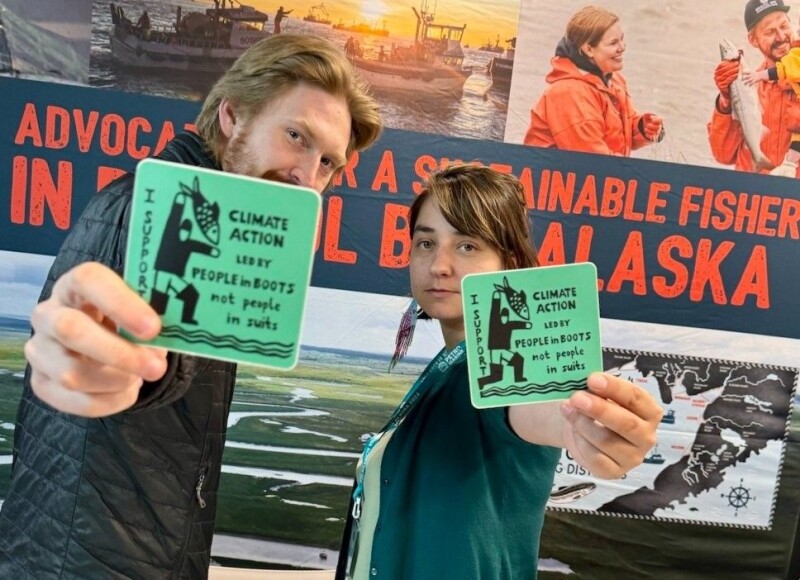
Fishery-Friendly Climate Action: Balancing Conservation and Sustainability
Climate change poses a significant threat to marine ecosystems and fisheries around the world. Rising sea temperatures, ocean acidification, and extreme weather events are just some of the challenges that fish populations face. In response to these threats, it is crucial to take fishery-friendly climate action that balances conservation efforts with sustainable fishing practices.
Conservation Measures
Conservation measures play a key role in protecting fish populations and their habitats. Establishing marine protected areas (MPAs) helps safeguard critical breeding grounds and nurseries for fish species. By limiting fishing activities in these areas, we allow fish populations to replenish and thrive, ensuring the long-term sustainability of fisheries.
Sustainable Fishing Practices
Implementing sustainable fishing practices is essential for maintaining healthy fish stocks while mitigating the impacts of climate change. Practices such as selective fishing gear, reducing bycatch, and implementing catch limits help prevent overfishing and ensure that fish populations can recover and adapt to changing environmental conditions.
Climate-Resilient Fisheries Management
Adopting climate-resilient fisheries management strategies is crucial for ensuring the resilience of fish populations in the face of climate change. This includes monitoring fish stocks, assessing their vulnerability to climate impacts, and adjusting management measures accordingly. By incorporating climate considerations into fisheries management plans, we can better protect fish populations from the effects of a changing climate.
Community Engagement
Engaging local communities in fishery-friendly climate action is essential for achieving long-term success. By involving stakeholders in decision-making processes, raising awareness about the importance of sustainable fishing practices, and providing support for alternative livelihoods, we can create a more resilient and sustainable fishing industry that benefits both people and the environment.
The Way Forward
Fishery-friendly climate action requires a collaborative effort from governments, industries, communities, and individuals alike. By prioritizing conservation, promoting sustainable practices, implementing climate-resilient management strategies, and engaging stakeholders effectively, we can work towards a future where fisheries thrive in harmony with a changing climate.
Understanding Fisheries and Climate Action: Addressing Contributions, Impacts, Adaptations, and Personal Roles
- How do fisheries contribute to climate change?
- What is the major impact of climate change for fish species?
- What are climate ready fisheries?
- How can you personally contribute to keeping fish populations sustainable in the ocean?
How do fisheries contribute to climate change?
Fisheries contribute to climate change through various mechanisms. One significant way is through greenhouse gas emissions generated by fishing vessels, processing facilities, and transportation activities associated with the fishing industry. Additionally, unsustainable fishing practices can lead to habitat destruction and biodiversity loss, disrupting the balance of marine ecosystems and their ability to sequester carbon. Overfishing also plays a role in exacerbating climate change by reducing fish populations that play a crucial role in regulating oceanic carbon cycles. Addressing these issues through sustainable management practices is essential for mitigating the impact of fisheries on climate change and promoting fishery-friendly climate action.
What is the major impact of climate change for fish species?
The major impact of climate change on fish species is the disruption of their habitats and life cycles. Rising sea temperatures, ocean acidification, and changes in ocean currents affect the distribution and abundance of fish populations. These environmental shifts can lead to mismatches in timing with critical life stages, such as spawning and feeding, impacting the overall productivity and health of fish species. Additionally, extreme weather events and sea level rise further exacerbate the challenges faced by fish populations, making it crucial to implement fishery-friendly climate action to protect their sustainability and resilience in a changing world.
What are climate ready fisheries?
Climate-ready fisheries refer to fisheries that have implemented adaptive measures to proactively address the impacts of climate change on fish populations and their habitats. These fisheries are equipped to respond to changing environmental conditions, such as rising sea temperatures, ocean acidification, and shifting migration patterns of fish species. By incorporating climate considerations into their management strategies, monitoring fish stocks closely, and adjusting fishing practices accordingly, climate-ready fisheries aim to ensure the resilience and sustainability of fish populations in a rapidly changing world.
How can you personally contribute to keeping fish populations sustainable in the ocean?
Individuals can personally contribute to keeping fish populations sustainable in the ocean by making informed seafood choices. Opting for sustainably sourced seafood, such as products certified by organizations like the Marine Stewardship Council (MSC) or the Aquaculture Stewardship Council (ASC), can help reduce the demand for overexploited fish stocks. Additionally, supporting local fisheries, practicing responsible fishing practices if engaging in recreational fishing, and advocating for policies that promote sustainable fisheries management are all ways individuals can play a part in ensuring the long-term health and viability of ocean fish populations. By being conscious consumers and actively supporting sustainable fishing practices, everyone can make a positive impact on marine ecosystems and help safeguard fish populations for future generations.