
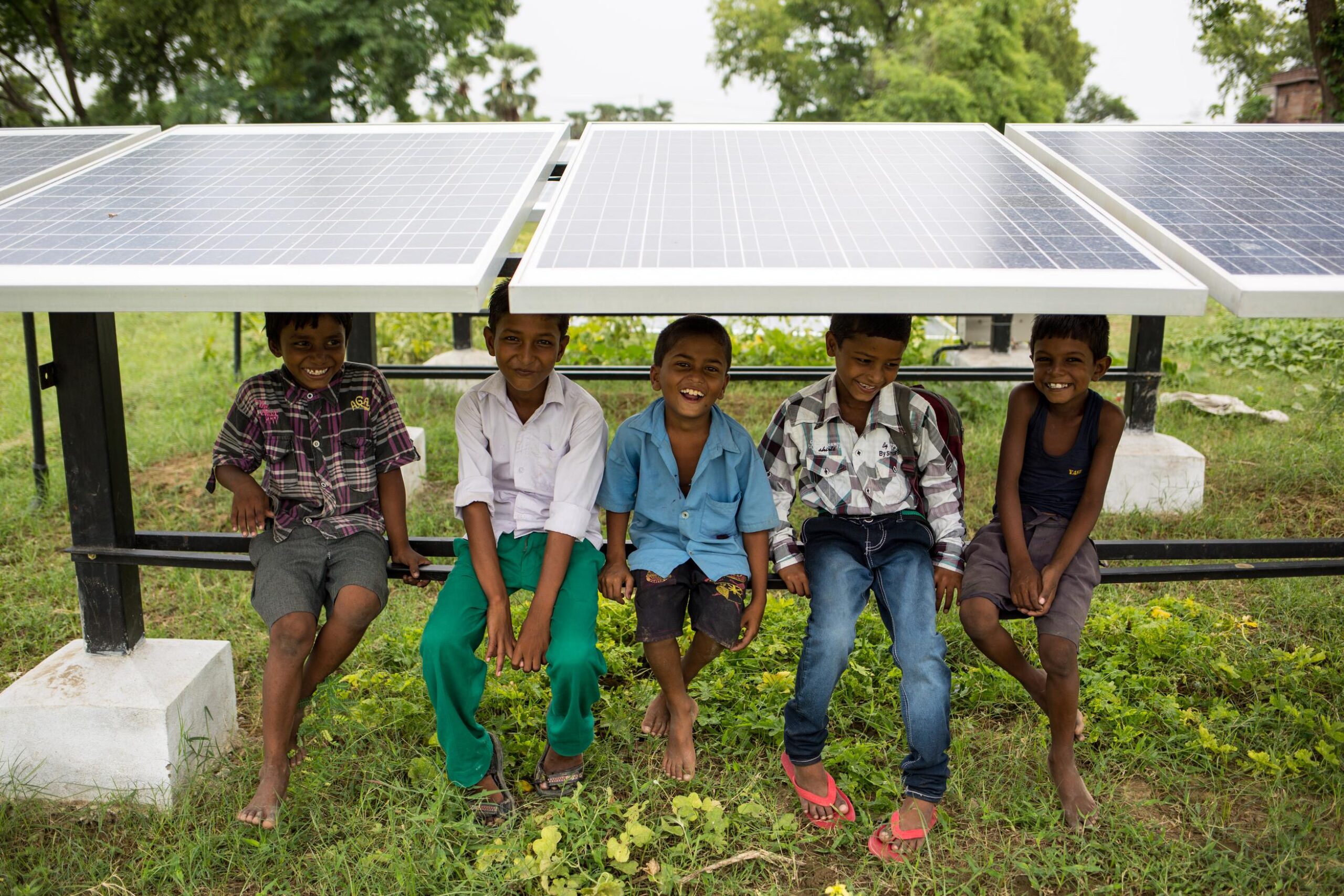
Example of Climate Mitigation Action: Renewable Energy Transition
One of the most effective climate mitigation actions being implemented worldwide is the transition to renewable energy sources. This shift away from fossil fuels to clean, sustainable energy plays a crucial role in reducing greenhouse gas emissions and combating climate change.
Renewable energy sources such as solar, wind, hydroelectric, and geothermal power generate electricity without producing carbon dioxide and other harmful pollutants that contribute to global warming. By investing in and promoting the use of renewables, countries and communities can significantly reduce their carbon footprint and lessen their impact on the environment.
For example, many countries have set ambitious targets for increasing the share of renewable energy in their overall energy mix. They offer incentives for renewable energy production, such as tax credits, subsidies, and feed-in tariffs to encourage individuals and businesses to adopt clean energy technologies.
In addition to reducing greenhouse gas emissions, the transition to renewable energy also brings economic benefits. It creates new job opportunities in the renewable energy sector, fosters innovation in clean technologies, and enhances energy security by diversifying energy sources.
Furthermore, communities that embrace renewable energy often experience improved air quality and public health outcomes due to reduced pollution from traditional power plants. They also become more resilient to the impacts of climate change by building a more sustainable and environmentally friendly energy infrastructure.
In conclusion, transitioning to renewable energy is a prime example of a climate mitigation action that not only helps combat global warming but also promotes economic growth, enhances public health, and builds a more sustainable future for generations to come.
6 Effective Climate Mitigation Actions You Can Take Today
- Invest in renewable energy sources such as solar or wind power
- Promote energy efficiency by using LED lights and appliances
- Encourage tree planting and forest conservation to absorb carbon dioxide
- Support sustainable transportation options like biking, walking, or public transit
- Reduce waste by recycling and composting organic materials
- Raise awareness about climate change and the importance of taking action
Invest in renewable energy sources such as solar or wind power
Investing in renewable energy sources, such as solar or wind power, is a crucial climate mitigation action with far-reaching benefits. By shifting towards clean energy alternatives, we can significantly reduce our reliance on fossil fuels and decrease harmful greenhouse gas emissions. Solar and wind power offer sustainable solutions that not only help combat climate change but also promote energy independence and create new job opportunities in the renewable energy sector. Embracing these technologies is essential for building a more resilient and environmentally conscious future for our planet.
Promote energy efficiency by using LED lights and appliances
Promoting energy efficiency by incorporating LED lights and appliances is a practical and impactful climate mitigation action. LED lights consume significantly less energy than traditional incandescent bulbs, reducing electricity usage and lowering carbon emissions. Similarly, energy-efficient appliances such as refrigerators, washing machines, and air conditioners help decrease overall energy consumption in households and businesses. By making the switch to LED lighting and energy-efficient appliances, individuals can contribute to mitigating climate change while also saving on utility bills in the long run.
Encourage tree planting and forest conservation to absorb carbon dioxide
Encouraging tree planting and forest conservation is a valuable climate mitigation action that can significantly help absorb carbon dioxide from the atmosphere. Trees act as natural carbon sinks, absorbing CO2 during photosynthesis and storing it in their biomass. By increasing forest cover and protecting existing forests, we can enhance carbon sequestration, reduce greenhouse gas levels, and mitigate the impacts of climate change. Additionally, forests provide numerous co-benefits such as biodiversity conservation, soil protection, and watershed management, making tree planting and forest conservation a multifaceted solution for a more sustainable future.
Support sustainable transportation options like biking, walking, or public transit
Supporting sustainable transportation options such as biking, walking, or public transit is a key climate mitigation action that individuals and communities can take to reduce carbon emissions and combat climate change. By choosing to bike or walk for short trips instead of driving a car, or by using public transportation for daily commutes, we can significantly decrease our carbon footprint and lessen the environmental impact of transportation. Embracing these sustainable modes of travel not only helps reduce greenhouse gas emissions but also promotes healthier lifestyles, reduces traffic congestion, and contributes to creating cleaner and more livable cities for everyone.
Reduce waste by recycling and composting organic materials
Reducing waste through recycling and composting organic materials is a practical and impactful climate mitigation action that individuals and communities can easily implement. By diverting recyclable materials from landfills and converting organic waste into nutrient-rich compost, we not only reduce greenhouse gas emissions produced by decomposing waste but also conserve valuable resources and energy used in manufacturing new products. Recycling and composting play a vital role in promoting a circular economy that minimizes environmental impact, conserves natural resources, and contributes to a more sustainable future for our planet.
Raise awareness about climate change and the importance of taking action
Raising awareness about climate change and the significance of taking action is a crucial step in addressing the global environmental crisis. By educating individuals, communities, and policymakers about the realities of climate change, its impacts on ecosystems and societies, and the urgent need for mitigation measures, we can inspire collective action towards a sustainable future. Through raising awareness, we empower people to make informed choices, adopt environmentally friendly practices, support renewable energy initiatives, and advocate for policies that prioritize environmental protection. Together, by spreading knowledge and fostering a sense of responsibility towards our planet, we can work towards mitigating climate change and preserving the health of our world for current and future generations.