
The Importance of Sustainable Development Goal 15: Life on Land
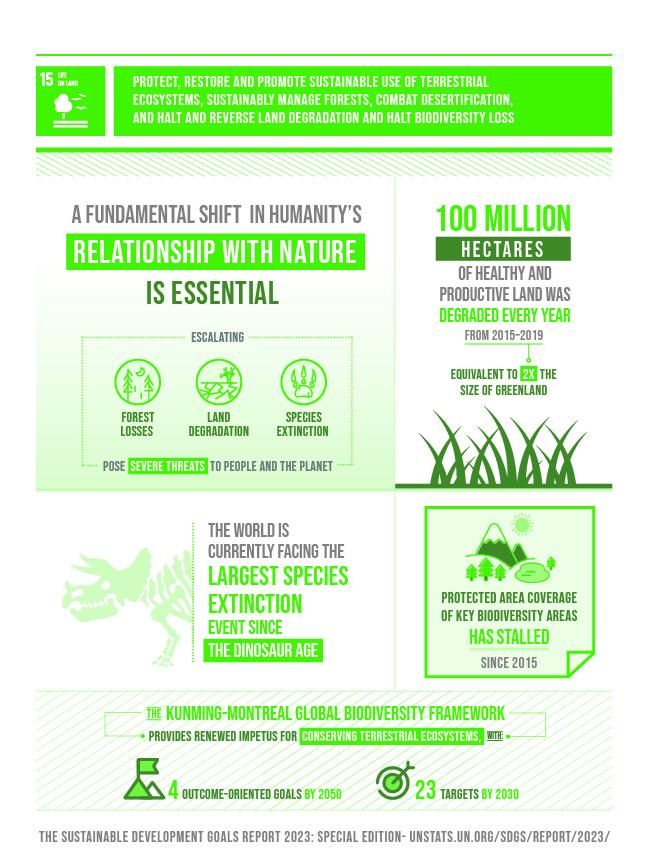
Sustainable Development Goal 15, part of the United Nations’ 2030 Agenda for Sustainable Development, focuses on protecting, restoring, and promoting sustainable use of terrestrial ecosystems. This goal recognizes the vital role that land plays in supporting life on Earth and aims to halt biodiversity loss while promoting conservation efforts.
Why Goal 15 Matters
Life on land is interconnected with all living beings and ecosystems. Healthy forests, fertile soil, and diverse wildlife are essential for maintaining a balanced ecosystem that sustains life. However, human activities such as deforestation, overexploitation of natural resources, and pollution have put immense pressure on terrestrial ecosystems.
By addressing Goal 15, we can protect biodiversity, combat desertification, and ensure sustainable land use practices. Preserving natural habitats not only benefits wildlife but also contributes to climate change mitigation and supports human well-being by providing essential ecosystem services.
Challenges and Solutions
Despite global efforts to address environmental issues, challenges remain in achieving Goal 15. Land degradation continues to threaten food security, water quality, and biodiversity. Climate change exacerbates these challenges, leading to more frequent natural disasters and habitat loss.
To tackle these issues effectively, collaboration between governments, organizations, communities, and individuals is crucial. Implementing sustainable land management practices, restoring degraded lands, and conserving protected areas are key strategies to achieve Goal 15. Education and awareness-raising initiatives can also empower people to make informed decisions that support biodiversity conservation.
Joining the Effort
As individuals, we can contribute to Goal 15 by adopting sustainable lifestyles, supporting conservation initiatives in our communities, and advocating for policies that protect natural habitats. By working together towards the preservation of life on land, we can create a more sustainable future for generations to come.
9 Ways to Champion Life on Land: Practical Tips for Protecting Our Planet’s Ecosystems
- Plant trees and support reforestation efforts to combat deforestation.
- Reduce waste and recycle to minimize environmental impact on ecosystems.
- Protect endangered species by supporting conservation initiatives.
- Promote sustainable agriculture practices to preserve biodiversity.
- Raise awareness about the importance of preserving forests and wildlife habitats.
- Participate in community clean-up events to maintain the cleanliness of natural environments.
- Support eco-friendly businesses that prioritize environmental sustainability.
- Advocate for policies that protect natural ecosystems and wildlife from exploitation.
- Educate others about the interconnectedness of all living organisms in nature.
Plant trees and support reforestation efforts to combat deforestation.
Planting trees and supporting reforestation efforts are crucial actions in achieving Sustainable Development Goal 15: Life on Land. By actively participating in tree planting initiatives and supporting projects that restore deforested areas, individuals can contribute to preserving biodiversity, combating climate change, and promoting sustainable land use practices. Trees play a vital role in maintaining ecosystem balance, providing habitats for wildlife, and absorbing carbon dioxide from the atmosphere. By taking part in reforestation activities, we can help restore degraded landscapes, protect valuable ecosystems, and ensure a healthier planet for current and future generations.
Reduce waste and recycle to minimize environmental impact on ecosystems.
Reducing waste and recycling are crucial actions to minimize the environmental impact on ecosystems, in alignment with Goal 15 of the UN’s Sustainable Development Goals. By reducing the amount of waste we produce and properly recycling materials, we can decrease the strain on landfills, prevent pollution of land and water sources, and conserve natural resources. This practice helps protect biodiversity by preserving habitats and reducing the need for extracting raw materials, ultimately contributing to a healthier planet for all living beings.
Protect endangered species by supporting conservation initiatives.
Protecting endangered species is a crucial aspect of achieving Sustainable Development Goal 15: Life on Land. By supporting conservation initiatives aimed at preserving vulnerable species, we can help prevent further biodiversity loss and maintain the delicate balance of ecosystems. These initiatives often involve habitat restoration, anti-poaching efforts, and community engagement to raise awareness about the importance of protecting endangered species. Every action taken to safeguard these animals contributes to the overall goal of ensuring a sustainable future for all life on land.
Promote sustainable agriculture practices to preserve biodiversity.
Promoting sustainable agriculture practices is essential for preserving biodiversity under Goal 15. By implementing techniques such as crop rotation, agroforestry, and organic farming, farmers can maintain soil health, reduce the use of harmful chemicals, and create habitats that support a diverse range of species. Sustainable agriculture not only safeguards the natural environment but also ensures the long-term productivity of farmland while promoting a harmonious coexistence between humans and wildlife.
Raise awareness about the importance of preserving forests and wildlife habitats.
Raising awareness about the critical importance of preserving forests and wildlife habitats is a crucial step in achieving Sustainable Development Goal 15. Forests and natural habitats are not only home to a vast array of plant and animal species but also play a vital role in maintaining ecological balance and providing essential ecosystem services. By educating communities, policymakers, and individuals about the value of these ecosystems, we can foster a deeper understanding of the interconnectedness of all life on land. Through increased awareness, we can inspire collective action to protect and restore these precious environments for the benefit of present and future generations.
Participate in community clean-up events to maintain the cleanliness of natural environments.
Participating in community clean-up events is a practical and impactful way to support Sustainable Development Goal 15: Life on Land. By joining forces with fellow community members to clean up natural environments, we contribute to the preservation of biodiversity and the protection of terrestrial ecosystems. Removing litter and waste not only enhances the aesthetic appeal of these spaces but also helps prevent pollution that can harm wildlife and degrade habitats. Through active participation in clean-up events, we demonstrate our commitment to sustainable land management practices and play a vital role in maintaining the cleanliness and health of our natural surroundings for current and future generations to enjoy.
Support eco-friendly businesses that prioritize environmental sustainability.
Supporting eco-friendly businesses that prioritize environmental sustainability is a crucial step towards achieving Sustainable Development Goal 15: Life on Land. By choosing to patronize companies that value the protection of natural resources, reduce their carbon footprint, and implement sustainable practices, individuals can contribute to the preservation of terrestrial ecosystems. These businesses play a significant role in promoting biodiversity conservation, reducing deforestation, and mitigating the impact of human activities on land. Through conscious consumer choices, we can encourage more companies to prioritize environmental sustainability and work towards a greener future for all.
Advocate for policies that protect natural ecosystems and wildlife from exploitation.
Advocating for policies that protect natural ecosystems and wildlife from exploitation is crucial in achieving Sustainable Development Goal 15: Life on Land. By supporting legislation and regulations that prevent overexploitation of resources, habitat destruction, and illegal wildlife trade, we can safeguard biodiversity and promote sustainable land use practices. These policies play a vital role in ensuring the long-term health of our planet’s ecosystems and preserving the diverse species that rely on them for survival. Through advocacy efforts, we can contribute to creating a more harmonious relationship between human activities and the natural world, fostering a future where both people and wildlife thrive together.
Educate others about the interconnectedness of all living organisms in nature.
Educating others about the interconnectedness of all living organisms in nature is a crucial step towards achieving Goal 15 of sustainable development. By raising awareness about how every species, from the smallest insects to the largest mammals, plays a vital role in maintaining the balance of ecosystems, we can inspire greater respect and appreciation for biodiversity. Understanding these intricate connections can lead to more informed decisions regarding land use, conservation efforts, and sustainable practices, ultimately contributing to the preservation of life on land for future generations.