
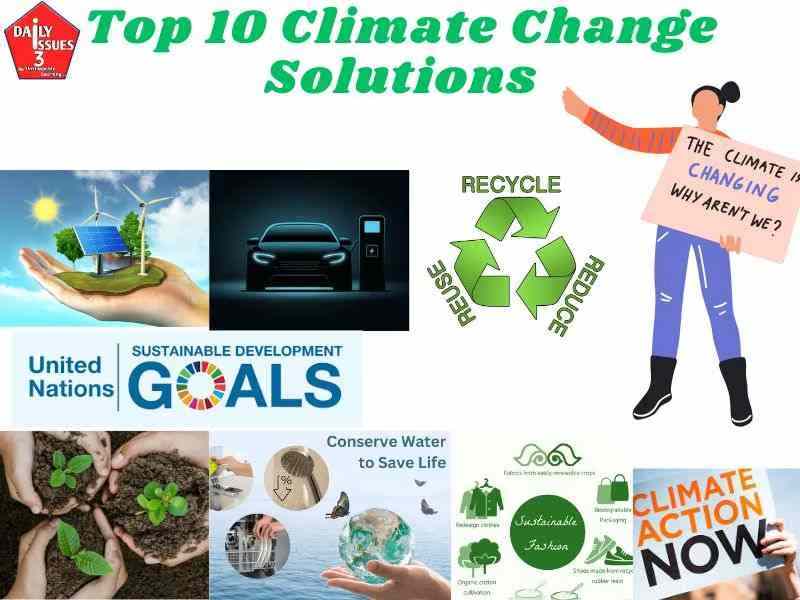
The United Nations’ Role in Climate Change Solutions
Climate change is one of the most pressing issues of our time, with far-reaching impacts on the environment, economies, and societies worldwide. The United Nations has been at the forefront of global efforts to address this crisis and implement solutions to mitigate its effects.
International Cooperation
The UN plays a crucial role in fostering international cooperation on climate change. The landmark Paris Agreement, adopted in 2015, is a testament to this collaborative effort. Countries around the world have committed to reducing greenhouse gas emissions and limiting global warming to well below 2 degrees Celsius above pre-industrial levels.
Sustainable Development Goals
The UN’s Sustainable Development Goals (SDGs) also include targets related to climate action. Goal 13 specifically calls for urgent action to combat climate change and its impacts. By integrating climate considerations into broader development initiatives, the UN aims to create a more sustainable future for all.
Adaptation and Resilience
In addition to mitigation efforts, the UN focuses on adaptation and building resilience to climate change impacts. This includes supporting vulnerable communities in preparing for extreme weather events, rising sea levels, and other consequences of a changing climate.
Clean Energy Transition
Promoting a transition to clean energy sources is another key aspect of the UN’s climate change solutions. By advocating for renewable energy technologies and phasing out fossil fuels, the UN aims to reduce carbon emissions and promote sustainable energy practices worldwide.
Educational Campaigns
Education and awareness-raising are essential components of the UN’s approach to addressing climate change. Through campaigns, initiatives, and partnerships with schools and communities, the UN seeks to inform people about the causes and consequences of climate change and empower them to take action.
Conclusion
The United Nations plays a central role in advancing global efforts to combat climate change. By promoting international cooperation, sustainable development goals, adaptation measures, clean energy transitions, and educational campaigns, the UN is working towards a more resilient and sustainable future for all.
9 Practical Tips for Combating Climate Change and Promoting Sustainability
- Reduce energy consumption by using energy-efficient appliances and lighting.
- Switch to renewable energy sources like solar or wind power.
- Limit single-use plastics and opt for reusable alternatives.
- Support local farmers and businesses to reduce carbon footprint from transportation.
- Plant trees and create green spaces to absorb carbon dioxide.
- Advocate for policies that promote sustainability and combat climate change.
- Reduce water waste by fixing leaks and using water-saving devices.
- Choose sustainable transportation options like walking, biking, or public transit.
- Educate yourself and others about the impacts of climate change and how to take action.
Reduce energy consumption by using energy-efficient appliances and lighting.
Reducing energy consumption through the use of energy-efficient appliances and lighting is a practical and impactful tip in addressing climate change. By opting for appliances with high energy efficiency ratings and switching to LED or CFL light bulbs, individuals can significantly lower their carbon footprint and contribute to a more sustainable future. This simple yet effective action not only helps in reducing greenhouse gas emissions but also leads to long-term cost savings on electricity bills. Making conscious choices in daily energy usage can collectively make a substantial difference in mitigating the effects of climate change.
Switch to renewable energy sources like solar or wind power.
Switching to renewable energy sources such as solar or wind power is a crucial step in combating climate change. By transitioning away from fossil fuels and embracing clean, sustainable energy options, we can significantly reduce greenhouse gas emissions and lessen our impact on the environment. Investing in renewable energy not only helps mitigate the effects of climate change but also promotes a more sustainable and resilient future for generations to come.
Limit single-use plastics and opt for reusable alternatives.
Limiting the use of single-use plastics and choosing reusable alternatives is a practical and impactful way to combat climate change. Single-use plastics contribute significantly to environmental pollution and harm marine life. By opting for reusable products such as water bottles, shopping bags, and containers, individuals can reduce their carbon footprint and help minimize plastic waste in landfills and oceans. This simple yet effective action aligns with the United Nations’ efforts to promote sustainable practices and protect the planet for future generations.
Support local farmers and businesses to reduce carbon footprint from transportation.
Supporting local farmers and businesses is a crucial strategy in reducing the carbon footprint associated with transportation and mitigating the impacts of climate change. By sourcing products locally, we can decrease the need for long-distance transportation, thereby cutting down on emissions from trucks, ships, and planes. This approach not only helps in lowering greenhouse gas emissions but also fosters community resilience, promotes sustainable agriculture practices, and strengthens local economies. By prioritizing local producers, we can make a positive impact on both the environment and our communities while contributing to global efforts to combat climate change.
Plant trees and create green spaces to absorb carbon dioxide.
Planting trees and creating green spaces are effective strategies in combating climate change. Trees act as natural carbon sinks, absorbing carbon dioxide from the atmosphere during photosynthesis and storing it in their biomass. By increasing tree cover and establishing green areas, we can help offset carbon emissions, improve air quality, and enhance biodiversity. This simple yet impactful solution not only mitigates the effects of climate change but also contributes to creating healthier and more sustainable environments for present and future generations.
Advocate for policies that promote sustainability and combat climate change.
Advocating for policies that promote sustainability and combat climate change is crucial in addressing the global climate crisis. By supporting initiatives that prioritize renewable energy, carbon reduction measures, and sustainable practices, individuals and organizations can contribute to a more environmentally conscious future. Encouraging policymakers to implement regulations that support a transition to a low-carbon economy and protect natural resources is essential for creating a more resilient and sustainable world for current and future generations.
Reduce water waste by fixing leaks and using water-saving devices.
Reducing water waste is a crucial step in addressing climate change. By fixing leaks and implementing water-saving devices, we can conserve this precious resource and reduce the energy required for water treatment and distribution. Every drop saved contributes to a more sustainable future, helping to mitigate the impacts of climate change on water availability and ecosystems. Taking action at the individual level by being mindful of our water usage can have a significant collective impact on our planet’s health.
Choose sustainable transportation options like walking, biking, or public transit.
Choosing sustainable transportation options such as walking, biking, or using public transit is a practical and effective way to combat climate change. By reducing reliance on fossil fuel-powered vehicles, individuals can significantly decrease carbon emissions and contribute to a cleaner environment. Embracing these eco-friendly modes of transportation not only helps in mitigating the impacts of climate change but also promotes healthier lifestyles and reduces traffic congestion in urban areas. Making conscious decisions about how we travel can have a positive impact on the planet and pave the way for a more sustainable future.
Educate yourself and others about the impacts of climate change and how to take action.
To effectively address the challenges posed by climate change, it is crucial to educate oneself and others about its impacts and the steps that can be taken to mitigate them. By increasing awareness and understanding of the causes and consequences of climate change, individuals can make informed decisions and advocate for sustainable practices. Empowering others through education fosters a collective effort towards implementing effective solutions and creating a more resilient future for our planet.