
The Role of Local Government in Climate Action
Climate change is one of the most pressing issues of our time, and local governments play a crucial role in addressing this global challenge. While national and international efforts are essential, action at the local level is equally important in mitigating the impacts of climate change and building more sustainable communities.
Setting Climate Goals
Many local governments have taken proactive steps to reduce greenhouse gas emissions and transition to renewable energy sources. They set ambitious climate goals, such as reducing carbon emissions by a certain percentage or achieving carbon neutrality within a specific timeframe. By setting clear targets, local governments demonstrate their commitment to combating climate change.
Implementing Sustainable Practices
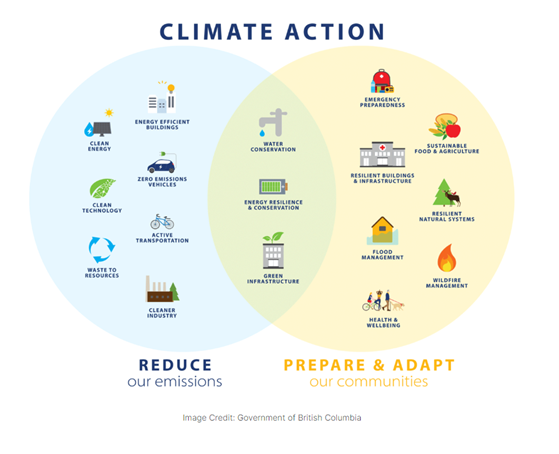
Local governments implement various sustainable practices to reduce their carbon footprint and promote environmental stewardship. This includes investing in public transportation infrastructure, promoting energy-efficient buildings, implementing recycling programs, and supporting green spaces within urban areas. These initiatives not only help mitigate climate change but also improve the quality of life for residents.
Community Engagement
Engaging with the community is essential for the success of local government climate action. By involving residents, businesses, and community organizations in decision-making processes, local governments can foster a sense of ownership and collective responsibility for addressing climate change. Community input also ensures that policies and initiatives reflect the needs and priorities of the people they serve.
Collaboration and Partnerships
Local governments often collaborate with other stakeholders, including regional authorities, non-profit organizations, academic institutions, and private sector partners, to enhance their climate action efforts. These partnerships enable sharing of resources, expertise, and best practices, leading to more effective solutions to climate-related challenges.
Economic Benefits
Investing in climate action can also bring economic benefits to local communities. By promoting clean energy technologies, creating green jobs, and attracting sustainable businesses, local governments can stimulate economic growth while reducing greenhouse gas emissions. Sustainable development practices not only benefit the environment but also contribute to long-term economic resilience.
Conclusion
In conclusion, local government climate action is essential for building resilient and sustainable communities in the face of climate change. By setting ambitious goals, implementing sustainable practices, engaging with the community, fostering collaboration and partnerships, and reaping economic benefits, local governments can lead the way towards a more sustainable future for all.
7 Essential Tips for Local Governments to Drive Climate Action and Sustainability
- Encourage the use of public transportation and carpooling to reduce emissions from vehicles.
- Promote energy-efficient practices in local government buildings and facilities.
- Support renewable energy initiatives such as solar panel installations or wind farms.
- Implement green infrastructure projects like urban forests, green roofs, and permeable pavement.
- Create programs to educate the community about climate change and ways to reduce their carbon footprint.
- Collaborate with local businesses to develop sustainable practices and reduce waste generation.
- Advocate for policies that prioritize sustainability and resilience in city planning and development.
Encourage the use of public transportation and carpooling to reduce emissions from vehicles.
Encouraging the use of public transportation and carpooling is a key strategy for local governments to reduce emissions from vehicles and combat climate change. By promoting alternative modes of transportation, such as buses, trains, and shared rides, local authorities can help decrease the number of single-occupancy vehicles on the road, leading to lower greenhouse gas emissions and improved air quality. Initiatives that make public transportation more accessible, affordable, and convenient can incentivize people to choose sustainable transport options, ultimately contributing to a greener and more sustainable community.
Promote energy-efficient practices in local government buildings and facilities.
Promoting energy-efficient practices in local government buildings and facilities is a key strategy in advancing climate action at the community level. By implementing measures such as upgrading to energy-efficient lighting, improving insulation, and installing renewable energy systems, local governments can significantly reduce their carbon footprint and lower energy costs. These initiatives not only demonstrate leadership in sustainability but also set a positive example for residents and businesses to follow. By prioritizing energy efficiency in municipal infrastructure, local governments can contribute to a greener future while saving taxpayer dollars in the long run.
Support renewable energy initiatives such as solar panel installations or wind farms.
Supporting renewable energy initiatives, such as solar panel installations or wind farms, is a crucial step that local governments can take to combat climate change. By investing in clean energy sources, communities can reduce their reliance on fossil fuels and lower greenhouse gas emissions. Solar panels and wind farms not only contribute to a more sustainable energy mix but also create opportunities for job growth and economic development. Embracing renewable energy initiatives demonstrates a commitment to a greener future and sets an example for other regions to follow suit in transitioning towards a more environmentally friendly energy infrastructure.
Implement green infrastructure projects like urban forests, green roofs, and permeable pavement.
Implementing green infrastructure projects, such as urban forests, green roofs, and permeable pavement, is a key strategy for local governments to enhance their climate action efforts. These initiatives not only help mitigate the impacts of climate change by reducing heat island effects and improving stormwater management but also contribute to creating more sustainable and resilient communities. Urban forests provide shade, improve air quality, and sequester carbon dioxide, while green roofs reduce energy consumption and urban heat buildup. Permeable pavement allows for natural water infiltration, reducing runoff and alleviating strain on traditional stormwater systems. By investing in green infrastructure projects, local governments can promote environmental sustainability while enhancing the overall quality of life for residents.
Create programs to educate the community about climate change and ways to reduce their carbon footprint.
Creating programs to educate the community about climate change and ways to reduce their carbon footprint is a vital step in local government climate action. By raising awareness and providing information on the impacts of climate change, as well as practical strategies for individuals to lower their carbon emissions, local governments can empower residents to take meaningful action towards a more sustainable future. Education plays a key role in fostering a culture of environmental responsibility and encouraging widespread participation in efforts to combat climate change at the grassroots level.
Collaborate with local businesses to develop sustainable practices and reduce waste generation.
Collaborating with local businesses to develop sustainable practices and reduce waste generation is a key strategy for effective local government climate action. By working together with businesses, local governments can encourage the adoption of environmentally friendly practices that not only benefit the planet but also contribute to cost savings and operational efficiency. Through partnerships and shared initiatives, such as waste reduction programs and recycling campaigns, both the public sector and businesses can make significant strides towards creating a more sustainable community for current and future generations.
Advocate for policies that prioritize sustainability and resilience in city planning and development.
Advocating for policies that prioritize sustainability and resilience in city planning and development is crucial for addressing the challenges of climate change at the local level. By pushing for regulations that promote green infrastructure, energy-efficient buildings, and sustainable transportation options, local governments can create more resilient communities that are better equipped to withstand the impacts of a changing climate. Emphasizing sustainability in city planning not only helps reduce greenhouse gas emissions but also enhances the overall quality of life for residents by promoting healthier environments and fostering economic prosperity through sustainable practices.