
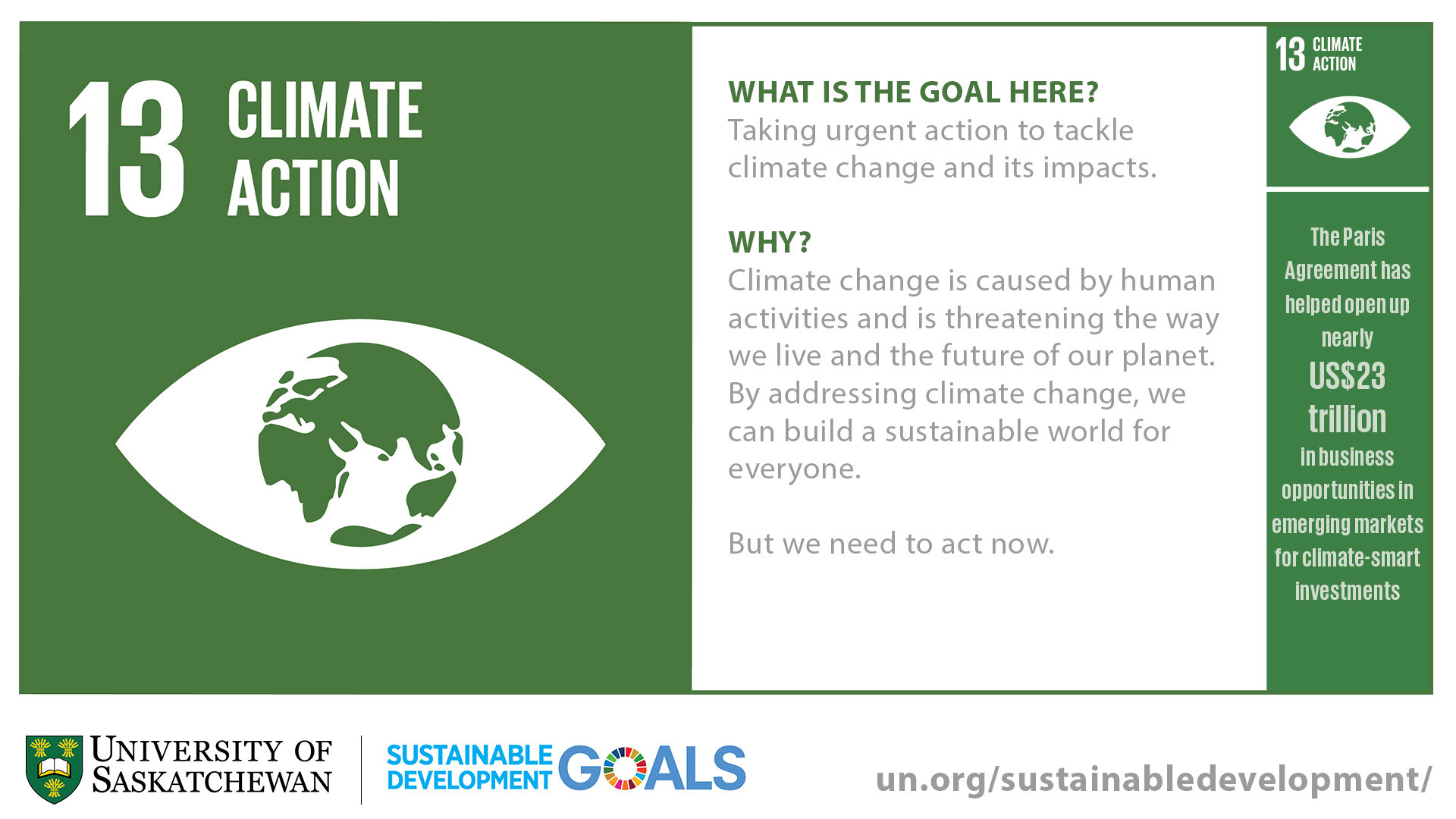
The Importance of Sustainable Development Goal 13: Climate Action
Sustainable Development Goal 13, also known as Climate Action, is a crucial component of the United Nations’ 2030 Agenda for Sustainable Development. This goal recognizes the urgent need to take action to combat climate change and its impacts. With the increasing frequency of extreme weather events, rising sea levels, and other climate-related challenges, addressing climate change has become a top priority for global sustainability efforts.
Goal 13 aims to mobilize countries and communities to implement measures that will reduce greenhouse gas emissions, build resilience to climate-related hazards, and promote sustainable practices that mitigate the effects of climate change. By focusing on Climate Action, the international community acknowledges the interconnectedness of environmental, social, and economic issues.
One of the key targets of Goal 13 is to strengthen resilience and adaptive capacity to climate-related disasters. This involves integrating climate change measures into national policies, strategies, and planning processes. By preparing for and responding effectively to climate-related disasters, countries can minimize their impact on vulnerable populations and ecosystems.
Another important aspect of Goal 13 is promoting education, awareness-raising, and capacity-building on climate change mitigation and adaptation. By empowering individuals with knowledge about sustainable practices and their role in combating climate change, communities can work together to create more resilient societies.
Furthermore, Goal 13 emphasizes the need for increased financial support to developing countries to implement sustainable solutions for climate change mitigation and adaptation. By providing resources for renewable energy projects, sustainable agriculture practices, and other initiatives that reduce carbon emissions, developed nations can support global efforts to address climate change.
In conclusion, Sustainable Development Goal 13: Climate Action plays a vital role in shaping a more sustainable future for our planet. By committing to reducing greenhouse gas emissions, building resilience to climate-related hazards, and promoting awareness about the importance of addressing climate change, we can work together towards a more resilient and environmentally conscious world.
7 Effective Tips to Combat Climate Change and Support Sustainable Development Goal 13
- Reduce carbon footprint by using public transportation, biking, or walking whenever possible.
- Conserve energy at home by turning off lights and electronics when not in use.
- Support renewable energy sources like solar or wind power to reduce reliance on fossil fuels.
- Plant trees and participate in reforestation efforts to help absorb CO2 from the atmosphere.
- Advocate for policies that promote environmental sustainability and combat climate change.
- Reduce, reuse, and recycle to minimize waste production and its impact on the environment.
- Educate others about the importance of protecting the planet from climate change and its effects.
Reduce carbon footprint by using public transportation, biking, or walking whenever possible.
One effective way to contribute to Sustainable Development Goal 13: Climate Action is by reducing your carbon footprint through the use of public transportation, biking, or walking whenever possible. By opting for these sustainable modes of transportation, you can significantly decrease your greenhouse gas emissions and help combat climate change. Embracing eco-friendly transportation options not only benefits the environment but also promotes healthier lifestyles and reduces traffic congestion in urban areas. Making small changes in our daily routines, such as choosing greener modes of travel, can collectively make a big difference in achieving a more sustainable future for all.
Conserve energy at home by turning off lights and electronics when not in use.
One simple yet effective way to contribute to Sustainable Development Goal 13: Climate Action is by conserving energy at home. By making a conscious effort to turn off lights and electronics when not in use, we can reduce our energy consumption and lower our carbon footprint. This small habit not only helps in combating climate change by decreasing greenhouse gas emissions but also promotes a culture of energy conservation that can have a significant impact on our environment in the long run.
Support renewable energy sources like solar or wind power to reduce reliance on fossil fuels.
Supporting renewable energy sources such as solar or wind power is a crucial step in achieving Sustainable Development Goal 13: Climate Action. By transitioning away from fossil fuels and embracing clean, sustainable energy sources, we can significantly reduce greenhouse gas emissions and combat climate change. Investing in solar and wind power not only helps to mitigate the impacts of climate change but also promotes energy independence, creates green jobs, and fosters a more sustainable future for generations to come.
Plant trees and participate in reforestation efforts to help absorb CO2 from the atmosphere.
Planting trees and participating in reforestation efforts are impactful ways to contribute to Sustainable Development Goal 13: Climate Action. Trees play a vital role in absorbing carbon dioxide from the atmosphere, helping to mitigate the effects of climate change. By actively engaging in tree planting initiatives and supporting reforestation projects, individuals can directly contribute to reducing greenhouse gas emissions and promoting a healthier environment for future generations.
Advocate for policies that promote environmental sustainability and combat climate change.
Advocating for policies that promote environmental sustainability and combat climate change is essential in achieving Sustainable Development Goal 13. By urging governments and decision-makers to prioritize initiatives that reduce greenhouse gas emissions, protect natural resources, and support renewable energy sources, we can create a more sustainable future for our planet. Through active engagement and advocacy efforts, we can influence policy changes that will have a positive impact on mitigating the effects of climate change and building a more resilient society for generations to come.
Reduce, reuse, and recycle to minimize waste production and its impact on the environment.
By incorporating the principles of “reduce, reuse, and recycle” into our daily practices, we can significantly contribute to Sustainable Development Goal 13: Climate Action. By reducing our consumption, reusing items whenever possible, and recycling materials to minimize waste production, we can lower our carbon footprint and lessen the strain on natural resources. This simple yet effective tip not only helps in mitigating climate change but also promotes a more sustainable lifestyle that benefits both the environment and future generations.
Educate others about the importance of protecting the planet from climate change and its effects.
Educating others about the critical importance of safeguarding the planet from climate change and its repercussions is a fundamental step in achieving Sustainable Development Goal 13. By raising awareness about the impacts of climate change on our environment, communities, and future generations, we can inspire collective action towards sustainable practices and policies. Through education and advocacy efforts, individuals can become empowered to make informed choices that contribute to reducing greenhouse gas emissions, promoting resilience to climate-related disasters, and fostering a more sustainable world for all.