
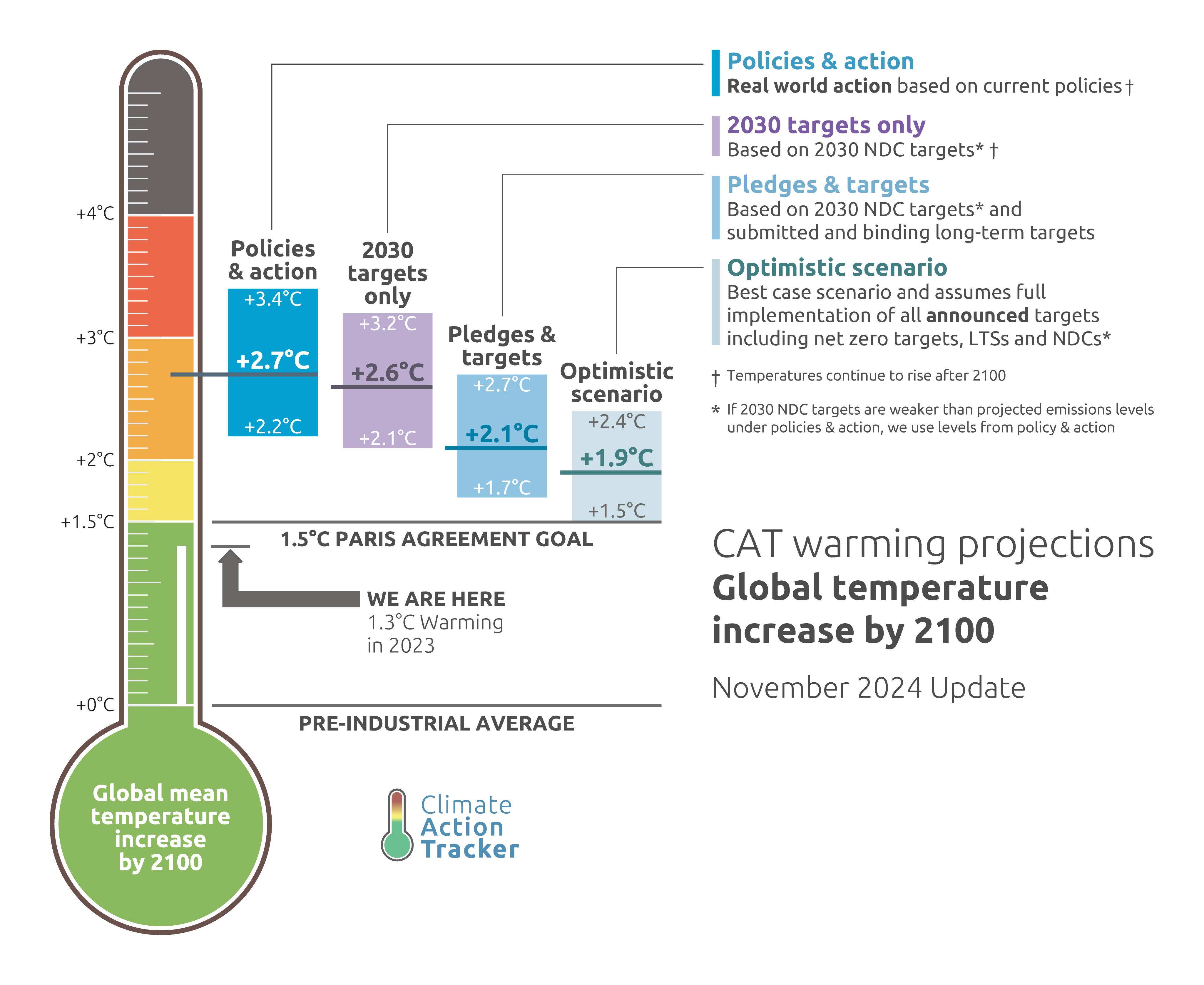
The Urgency of Climate Mitigation Action
Climate change is one of the most pressing challenges of our time, with far-reaching consequences for our planet and future generations. As global temperatures rise and extreme weather events become more frequent, the need for climate mitigation action has never been more critical.
Climate mitigation refers to efforts aimed at reducing or preventing the emission of greenhouse gases into the atmosphere, thereby slowing down the pace of global warming. This involves a combination of strategies and actions at individual, community, national, and international levels.
Why Climate Mitigation Matters
The impacts of climate change are already being felt around the world, from melting ice caps to devastating wildfires and rising sea levels. Without swift and decisive action to mitigate these effects, the consequences will only worsen, leading to more severe weather patterns, food and water shortages, biodiversity loss, and threats to human health.
Key Strategies for Climate Mitigation
Effective climate mitigation action requires a multi-faceted approach that addresses various sources of greenhouse gas emissions. Some key strategies include:
- Transitioning to Renewable Energy: Shifting from fossil fuels to renewable energy sources such as solar, wind, and hydropower can significantly reduce carbon emissions.
- Energy Efficiency: Improving energy efficiency in buildings, transportation, and industry can lower energy consumption and carbon footprints.
- Sustainable Land Use: Preserving forests, promoting reforestation, and adopting sustainable agriculture practices can help sequester carbon dioxide from the atmosphere.
- Promoting Green Technologies: Investing in innovative technologies that reduce emissions and promote sustainable development is crucial for long-term climate resilience.
The Role of Individuals in Climate Mitigation
While governments and businesses play a significant role in implementing large-scale climate mitigation measures, individuals also have a part to play in reducing their carbon footprint. Simple actions such as using public transportation, reducing waste, conserving energy at home, and supporting sustainable products can collectively make a difference in mitigating climate change.
A Call to Action
In conclusion, climate mitigation action is essential to safeguarding our planet for future generations. By taking proactive steps now to reduce greenhouse gas emissions and promote sustainability practices, we can mitigate the worst impacts of climate change and create a more resilient world for all living beings.
Understanding Climate Mitigation: Key Questions and Strategies for Combating Climate Change
- What is climate mitigation action?
- Why is climate mitigation important?
- How does climate mitigation help combat climate change?
- What are some key strategies for climate mitigation?
- What role do individuals play in climate mitigation?
- How can renewable energy contribute to climate mitigation?
- What are the benefits of sustainable land use in mitigating climate change?
- What can governments and businesses do to promote effective climate mitigation?
What is climate mitigation action?
Climate mitigation action refers to a set of strategies and initiatives aimed at reducing the emission of greenhouse gases into the atmosphere in order to combat climate change. These actions are crucial in slowing down the pace of global warming and mitigating its adverse effects on the environment and society. By transitioning to renewable energy sources, improving energy efficiency, promoting sustainable land use practices, and investing in green technologies, climate mitigation efforts play a vital role in creating a more sustainable and resilient future for our planet.
Why is climate mitigation important?
Addressing the question of why climate mitigation is important is crucial in understanding the urgency of taking action to combat climate change. Climate mitigation plays a vital role in reducing greenhouse gas emissions and slowing down the pace of global warming. By implementing effective mitigation strategies, we can help mitigate the impacts of climate change such as extreme weather events, rising sea levels, and biodiversity loss. Furthermore, climate mitigation is essential for safeguarding the well-being of current and future generations, ensuring a sustainable and habitable planet for all living beings.
How does climate mitigation help combat climate change?
Climate mitigation plays a crucial role in combating climate change by addressing the root cause of the problem: greenhouse gas emissions. By implementing strategies to reduce and prevent the release of these gases into the atmosphere, such as transitioning to renewable energy sources, improving energy efficiency, and promoting sustainable land use practices, climate mitigation helps slow down the rate of global warming. This proactive approach not only mitigates the impacts of climate change, such as extreme weather events and sea-level rise, but also contributes to building a more sustainable and resilient future for our planet and all its inhabitants.
What are some key strategies for climate mitigation?
When considering key strategies for climate mitigation, several approaches stand out as crucial in addressing the challenges posed by climate change. Transitioning to renewable energy sources, such as solar, wind, and hydropower, plays a significant role in reducing greenhouse gas emissions. Energy efficiency measures across various sectors, including buildings, transportation, and industry, are essential for lowering energy consumption and carbon footprints. Sustainable land use practices, such as forest preservation and reforestation efforts, contribute to sequestering carbon dioxide from the atmosphere. Additionally, promoting green technologies and investing in innovation are vital steps toward achieving long-term climate resilience and mitigating the impacts of global warming.
What role do individuals play in climate mitigation?
Individuals play a crucial role in climate mitigation by making everyday choices that collectively contribute to reducing greenhouse gas emissions. From conserving energy at home and using public transportation to supporting sustainable products and advocating for environmentally-friendly practices, individuals have the power to make a significant impact on mitigating climate change. By adopting sustainable habits and advocating for policies that prioritize environmental sustainability, individuals can help drive the transition towards a more sustainable and resilient future for our planet.
How can renewable energy contribute to climate mitigation?
Renewable energy plays a crucial role in climate mitigation by offering a sustainable alternative to fossil fuels, which are major contributors to greenhouse gas emissions. By harnessing energy from sources like solar, wind, and hydropower, renewable energy technologies produce electricity without releasing harmful carbon dioxide into the atmosphere. This shift to cleaner energy sources helps reduce our reliance on fossil fuels, thereby lowering overall greenhouse gas emissions and mitigating the impacts of climate change. Additionally, investing in renewable energy promotes innovation, creates green jobs, and fosters economic growth while advancing towards a more sustainable and climate-resilient future.
What are the benefits of sustainable land use in mitigating climate change?
Sustainable land use plays a crucial role in mitigating climate change by offering a range of benefits that contribute to reducing greenhouse gas emissions and enhancing carbon sequestration. Preserving forests, implementing reforestation projects, and adopting sustainable agriculture practices not only help to absorb carbon dioxide from the atmosphere but also promote biodiversity conservation and protect vital ecosystems. By maintaining healthy soils, managing land resources efficiently, and avoiding deforestation, sustainable land use practices can mitigate the impacts of climate change while fostering resilience in the face of environmental challenges.
What can governments and businesses do to promote effective climate mitigation?
To promote effective climate mitigation, governments and businesses play crucial roles in implementing proactive measures. Governments can set ambitious emission reduction targets, enact policies that incentivize the transition to renewable energy sources, and establish regulations that enforce environmental standards. Additionally, governments can invest in sustainable infrastructure and provide financial support for climate-friendly initiatives. On the other hand, businesses can adopt sustainable practices within their operations, such as reducing energy consumption, implementing green technologies, and incorporating circular economy principles. Collaboration between governments and businesses is essential to drive innovation, scale up sustainable solutions, and create a conducive environment for effective climate mitigation action.