
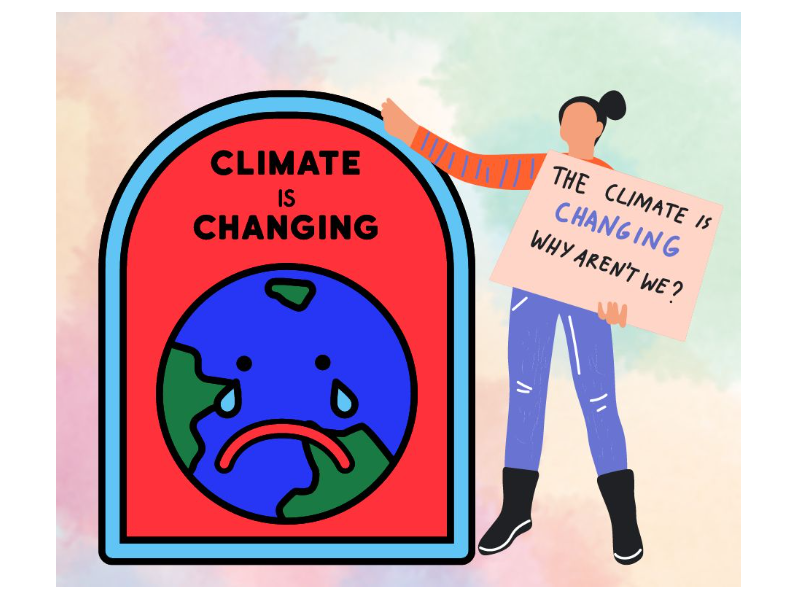
The Urgency of Taking Action on Climate Change
Climate change is one of the most pressing issues of our time, with far-reaching consequences for the planet and all its inhabitants. The scientific consensus is clear: human activities are significantly contributing to the warming of the Earth’s atmosphere, leading to a range of environmental, social, and economic challenges.
The need for urgent action on climate change cannot be overstated. The impacts of a changing climate are already being felt around the world, from more frequent and severe natural disasters to disruptions in food production and water supply. If left unchecked, these effects will only worsen over time, jeopardizing the well-being of current and future generations.
Why Immediate Action is Essential
Time is of the essence when it comes to addressing climate change. Every year that we delay taking meaningful action increases the risks and costs associated with mitigating its effects. By reducing greenhouse gas emissions, transitioning to renewable energy sources, and implementing sustainable practices, we can slow down and potentially reverse the trajectory of global warming.
Furthermore, vulnerable communities are disproportionately affected by climate change, exacerbating existing social inequalities. It is crucial that we prioritize equity and justice in our efforts to combat climate change, ensuring that those most impacted have a voice in decision-making processes and access to resources that promote resilience.
Individual and Collective Responsibility
While governments play a crucial role in setting policies and regulations to address climate change, individuals also have a part to play. Making small changes in our daily lives—such as reducing energy consumption, using public transportation, and supporting sustainable businesses—can collectively make a significant difference in reducing carbon emissions.
At the same time, collective action is essential for driving systemic change at a larger scale. Advocating for stronger environmental policies, supporting renewable energy initiatives, and holding corporations accountable for their environmental impact are all ways in which communities can come together to address climate change effectively.
The Time to Act is Now
We are at a critical juncture in human history where the decisions we make today will determine the future of our planet. By recognizing the urgency of taking action on climate change and committing to sustainable practices at individual, community, and global levels, we can work towards creating a more resilient and environmentally sustainable world for generations to come.
Urgent Climate Action: Addressing Causes, Impacts, and Solutions for a Sustainable Future
- What is climate change and why is urgent action needed?
- How are human activities contributing to climate change?
- What are the immediate impacts of climate change that require urgent action?
- What can individuals do to help address climate change on an urgent basis?
- What role do governments play in taking urgent action on climate change?
- How can communities and businesses contribute to urgent climate action?
- Why is equity and justice important in addressing climate change urgently?
- What are the consequences of delaying action on climate change?
What is climate change and why is urgent action needed?
Climate change refers to the long-term alteration of global weather patterns, primarily caused by human activities that release greenhouse gases into the atmosphere. Urgent action is necessary to address climate change due to its profound impact on the planet’s ecosystems, weather systems, and human societies. Rising temperatures lead to more frequent and severe natural disasters, such as hurricanes and droughts, threatening food security and water resources. Immediate measures are required to reduce greenhouse gas emissions, transition to renewable energy sources, and implement sustainable practices to mitigate the effects of climate change and safeguard the well-being of current and future generations.
How are human activities contributing to climate change?
Human activities are significantly contributing to climate change through the release of greenhouse gases into the atmosphere. The burning of fossil fuels for energy production, transportation, and industrial processes is a major source of carbon dioxide emissions. Deforestation and land-use changes also play a role by reducing the Earth’s capacity to absorb carbon dioxide. Additionally, agricultural practices, such as livestock farming and rice cultivation, release methane—a potent greenhouse gas. These human-induced activities are altering the natural balance of greenhouse gases in the atmosphere, leading to global warming and its associated impacts on the climate system. Addressing these sources of emissions is crucial in mitigating climate change and safeguarding the health of our planet for future generations.
What are the immediate impacts of climate change that require urgent action?
The immediate impacts of climate change that demand urgent action are manifold and far-reaching. From the increasing frequency and intensity of extreme weather events such as hurricanes, wildfires, and heatwaves to the disruption of ecosystems and loss of biodiversity, the consequences of a changing climate are already being felt around the world. Rising sea levels threaten coastal communities, while shifts in precipitation patterns impact agriculture and water availability. Addressing these urgent issues requires swift and coordinated efforts to reduce greenhouse gas emissions, adapt to changing conditions, and prioritize sustainability in all aspects of human activity. Failure to act decisively now will only exacerbate these challenges and undermine the well-being of both current and future generations.
What can individuals do to help address climate change on an urgent basis?
Individuals play a crucial role in addressing climate change on an urgent basis through their everyday actions and choices. Simple steps such as reducing energy consumption, minimizing waste, using public transportation or carpooling, supporting renewable energy sources, and advocating for sustainable practices can collectively make a significant impact. By raising awareness, making environmentally conscious decisions, and holding policymakers and corporations accountable for their environmental impact, individuals can contribute to the global effort to combat climate change effectively. It is essential for each person to recognize their responsibility in protecting the planet and take action towards building a more sustainable future for all.
What role do governments play in taking urgent action on climate change?
Governments play a pivotal role in taking urgent action on climate change by setting policies, regulations, and targets that aim to reduce greenhouse gas emissions, promote renewable energy sources, and foster sustainable practices. Through international agreements such as the Paris Agreement, governments commit to specific emission reduction goals and collaborate on global efforts to combat climate change. Additionally, governments allocate funding for research and development of clean technologies, implement carbon pricing mechanisms, and engage in diplomatic negotiations to address environmental challenges on a global scale. By leading by example and creating a conducive regulatory environment, governments have the power to drive systemic change and accelerate the transition to a low-carbon economy.
How can communities and businesses contribute to urgent climate action?
Communities and businesses play crucial roles in contributing to urgent climate action. Communities can promote sustainable practices such as reducing waste, conserving energy, and supporting local initiatives that prioritize environmental protection. By engaging in community-led projects like tree planting, waste reduction campaigns, and advocating for sustainable transportation options, communities can collectively reduce their carbon footprint and build resilience to climate change impacts. On the other hand, businesses have the opportunity to implement green practices within their operations, such as investing in renewable energy sources, adopting eco-friendly technologies, and reducing emissions along their supply chains. By prioritizing sustainability in business strategies, promoting circular economy principles, and transparently reporting on environmental efforts, businesses can lead by example and drive positive change towards a more sustainable future for all.
Why is equity and justice important in addressing climate change urgently?
Equity and justice are crucial in addressing climate change urgently because vulnerable communities are disproportionately affected by its impacts. Ensuring fairness and inclusivity in climate action is essential to prevent further exacerbation of existing social inequalities. By prioritizing equity, we can empower marginalized groups to have a voice in decision-making processes and access resources that promote resilience in the face of environmental challenges. Justice in climate action also means holding those most responsible for greenhouse gas emissions accountable and striving for a just transition to a sustainable future that benefits all members of society.
What are the consequences of delaying action on climate change?
Delaying action on climate change can have severe and wide-ranging consequences for both the environment and society. Continued inaction exacerbates the warming of the planet, leading to more frequent and intense natural disasters such as hurricanes, wildfires, and droughts. This not only puts human lives at risk but also threatens biodiversity, ecosystems, and food security. Delaying action on climate change can also result in rising sea levels, increased temperatures, and disruptions to weather patterns, impacting agriculture, water resources, and public health. Furthermore, social inequalities are likely to worsen as marginalized communities bear the brunt of these effects. It is crucial to address climate change urgently to mitigate these consequences and build a more sustainable future for all.