
The Urgency of Climate Change and the Call for Climate Action
Climate change is one of the most pressing challenges of our time, with far-reaching consequences for our planet and all living beings. The scientific consensus is clear: human activities, particularly the burning of fossil fuels and deforestation, are significantly contributing to the warming of our planet.
Rising global temperatures lead to more frequent and severe heatwaves, storms, droughts, and other extreme weather events. Sea levels are rising, glaciers are melting, and ecosystems are being disrupted. The impacts of climate change are already being felt around the world, affecting communities, economies, and biodiversity.
The Need for Climate Action
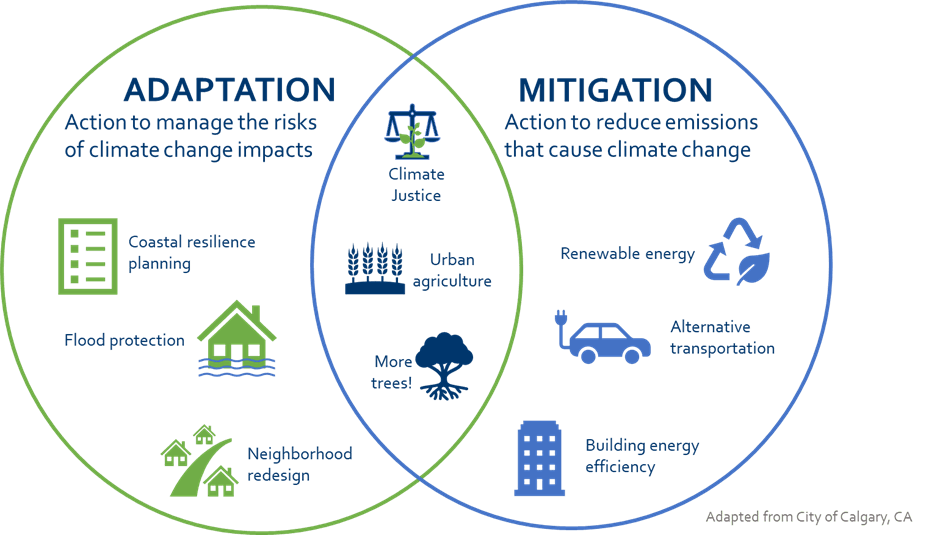
In response to the urgent threat of climate change, there is a growing call for decisive climate action at all levels – from individuals to governments to businesses. Mitigating climate change requires reducing greenhouse gas emissions, transitioning to renewable energy sources, protecting forests, and adopting sustainable practices in agriculture and industry.
Adaptation is also crucial as we face the impacts of climate change that are already unavoidable. Building resilient infrastructure, implementing early warning systems for extreme weather events, and supporting vulnerable communities are essential components of effective climate action.
The Role of Individuals in Climate Action
While systemic changes are necessary to address the root causes of climate change, individual actions also play a significant role in driving positive change. Simple everyday choices such as reducing energy consumption, using public transportation or carpooling, recycling, and supporting sustainable products can collectively make a difference.
Engaging in advocacy efforts, raising awareness about climate change issues, and supporting organizations working on environmental conservation are ways individuals can contribute to the global movement for climate action.
Joining Forces for a Sustainable Future
Addressing climate change requires collective action and collaboration across borders and sectors. Governments must set ambitious emission reduction targets and implement policies that promote sustainability. Businesses have a responsibility to reduce their carbon footprint and invest in green technologies. Civil society plays a vital role in holding decision-makers accountable and advocating for policies that prioritize environmental protection.
By working together towards a common goal of combating climate change and building a sustainable future for generations to come, we can create a world where people coexist harmoniously with nature while preserving the beauty and diversity of our planet.
8 Practical Tips for Taking Climate Action and Making a Difference
- Reduce, reuse, and recycle to minimize waste and conserve resources.
- Use energy-efficient appliances and light bulbs to reduce electricity consumption.
- Choose sustainable transportation options like walking, biking, or public transit.
- Plant trees and support reforestation efforts to absorb carbon dioxide from the atmosphere.
- Conserve water by fixing leaks, taking shorter showers, and using water-saving devices.
- Advocate for policies that promote renewable energy sources such as solar and wind power.
- Educate yourself and others about climate change to raise awareness and inspire action.
- Support businesses that prioritize sustainability practices in their operations.
Reduce, reuse, and recycle to minimize waste and conserve resources.
Reducing, reusing, and recycling are essential practices in the fight against climate change. By minimizing waste and conserving resources through these actions, we can significantly decrease the environmental impact of our consumption habits. Reducing the amount of waste we generate, reusing items whenever possible, and recycling materials help to lower greenhouse gas emissions, save energy, and protect natural resources. Embracing the principles of reduce, reuse, and recycle is a simple yet powerful way for individuals to contribute to climate action and promote a more sustainable future for our planet.
Use energy-efficient appliances and light bulbs to reduce electricity consumption.
Using energy-efficient appliances and light bulbs is a practical and effective way to contribute to climate action by reducing electricity consumption. Energy-efficient appliances are designed to use less energy while providing the same level of functionality, helping to lower greenhouse gas emissions associated with electricity production. Similarly, switching to energy-efficient light bulbs not only saves energy but also reduces utility bills and the overall environmental impact. By making simple changes in our daily habits, such as choosing energy-efficient options for our homes, we can play a part in mitigating climate change and promoting a more sustainable future for our planet.
Choose sustainable transportation options like walking, biking, or public transit.
Choosing sustainable transportation options like walking, biking, or using public transit can significantly reduce carbon emissions and contribute to mitigating climate change. By opting for these eco-friendly modes of transportation, individuals can help decrease air pollution, alleviate traffic congestion, and promote a healthier environment. Making small changes in daily commuting habits can have a positive impact on the planet by reducing reliance on fossil fuels and supporting a more sustainable future for all.
Plant trees and support reforestation efforts to absorb carbon dioxide from the atmosphere.
Planting trees and supporting reforestation efforts are powerful actions in the fight against climate change. Trees act as natural carbon sinks, absorbing carbon dioxide from the atmosphere and helping to mitigate the effects of greenhouse gas emissions. By increasing forest cover and restoring degraded ecosystems, we not only sequester carbon but also promote biodiversity, improve air quality, and enhance the resilience of our planet. Every tree planted contributes to a healthier environment and a more sustainable future for all.
Conserve water by fixing leaks, taking shorter showers, and using water-saving devices.
Conserving water is a crucial aspect of climate action. By fixing leaks, taking shorter showers, and using water-saving devices, we can reduce our water consumption and lessen the energy required for water treatment and distribution. Every drop saved contributes to a more sustainable future by conserving this precious resource and reducing the carbon footprint associated with water usage. Making simple changes in our daily habits can have a significant impact on both water conservation efforts and mitigating the effects of climate change.
Advocate for policies that promote renewable energy sources such as solar and wind power.
Advocating for policies that promote renewable energy sources such as solar and wind power is crucial in the fight against climate change. By supporting the transition to clean and sustainable energy sources, we can significantly reduce greenhouse gas emissions and mitigate the impacts of global warming. Investing in renewable energy not only helps combat climate change but also creates new job opportunities, boosts economic growth, and enhances energy security. By advocating for policies that prioritize solar and wind power, we can accelerate the shift towards a more sustainable energy future for the benefit of both present and future generations.
Educate yourself and others about climate change to raise awareness and inspire action.
Educating oneself and others about climate change is a crucial step in raising awareness and inspiring action towards addressing this global challenge. By understanding the science behind climate change, its impacts on the environment and society, and the urgency of taking proactive measures, individuals can become empowered advocates for sustainable practices and policies. Sharing knowledge and engaging in conversations about climate change helps create a ripple effect of awareness, prompting collective efforts towards meaningful climate action for a more sustainable future.
Support businesses that prioritize sustainability practices in their operations.
Supporting businesses that prioritize sustainability practices in their operations is a crucial step towards addressing climate change and promoting climate action. By choosing to patronize companies that are committed to reducing their environmental impact, implementing eco-friendly initiatives, and supporting renewable energy sources, individuals can contribute to a more sustainable economy. These businesses not only demonstrate corporate responsibility but also inspire others to adopt greener practices, ultimately leading to a more environmentally conscious society and a healthier planet for future generations.