
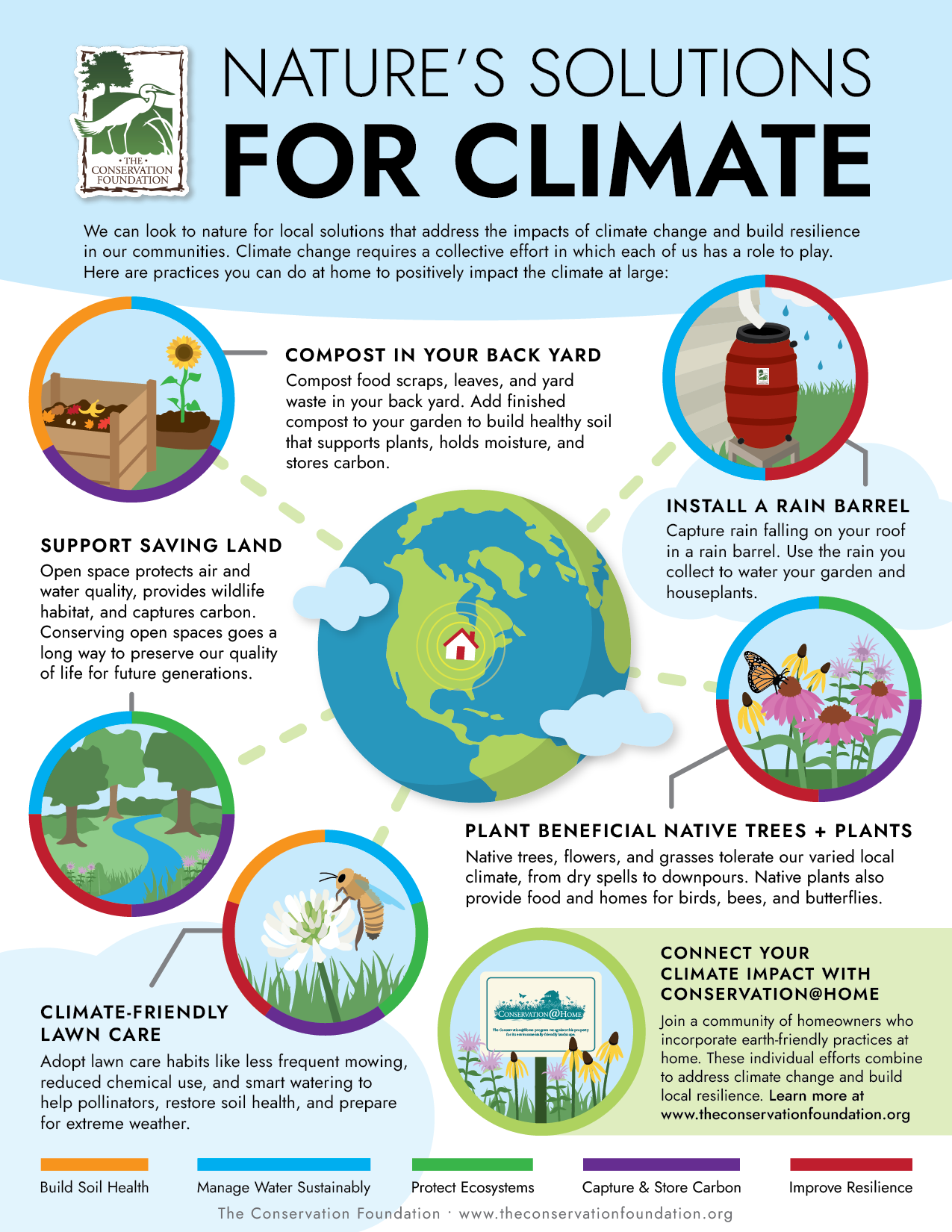
Actions We Can Take to Reduce Climate Change
Climate change is one of the most pressing issues of our time, and it requires collective action at all levels to mitigate its impacts. While governments and industries play a crucial role in implementing large-scale solutions, individuals can also make a significant difference by adopting sustainable practices in their daily lives. Here are some actions we can take to reduce climate change:
Reduce Energy Consumption
One of the most effective ways to combat climate change is by reducing our energy consumption. Simple actions such as turning off lights when not in use, unplugging electronics, using energy-efficient appliances, and adjusting thermostats can help lower our carbon footprint.
Use Renewable Energy Sources
Switching to renewable energy sources such as solar or wind power can significantly reduce greenhouse gas emissions associated with traditional fossil fuels. Consider installing solar panels on your roof or opting for a green energy provider to power your home.
Drive Less, Walk, Bike, or Use Public Transportation
The transportation sector is a major contributor to carbon emissions. By walking, biking, carpooling, or using public transportation whenever possible, we can reduce our reliance on fossil fuels and decrease air pollution.
Reduce, Reuse, Recycle
Practicing the 3Rs – reduce, reuse, recycle – helps minimize waste production and conserves valuable resources. Opt for reusable items instead of single-use plastics, recycle paper, glass, and metal products, and compost organic waste to divert it from landfills.
Support Sustainable Agriculture
Agriculture is a significant source of greenhouse gas emissions due to deforestation and livestock production. Choosing locally sourced and organic foods, reducing meat consumption, and supporting regenerative farming practices can help mitigate the environmental impact of agriculture.
Advocate for Climate Action
Raising awareness about climate change and advocating for policy changes at local, national, and global levels are crucial steps towards combatting this global challenge. Joining environmental organizations, participating in climate strikes, and contacting elected officials can amplify our collective voice for climate action.
By taking these actions collectively as individuals and communities, we can contribute to reducing greenhouse gas emissions and building a more sustainable future for generations to come.
Top 5 Actions You Can Take to Combat Climate Change: Energy, Transportation, and Sustainable Practices
- What are some simple actions I can take to reduce my energy consumption and lower my carbon footprint?
- How can I incorporate renewable energy sources into my daily life to help combat climate change?
- What are the benefits of using public transportation, walking, or biking as alternatives to driving in reducing carbon emissions?
- How does practicing the 3Rs (reduce, reuse, recycle) contribute to minimizing waste production and combating climate change?
- What role does sustainable agriculture play in reducing greenhouse gas emissions, and how can individuals support sustainable food practices?
What are some simple actions I can take to reduce my energy consumption and lower my carbon footprint?
Reducing energy consumption and lowering your carbon footprint can be achieved through simple actions in your daily life. Start by turning off lights and unplugging electronics when not in use, utilizing energy-efficient appliances, and adjusting thermostats to conserve energy. Additionally, consider using natural light whenever possible, opting for public transportation, walking, or biking instead of driving, and investing in renewable energy sources like solar power. These small changes can add up to make a significant impact on reducing your energy consumption and contributing to the fight against climate change.
How can I incorporate renewable energy sources into my daily life to help combat climate change?
Incorporating renewable energy sources into your daily life is a proactive step you can take to combat climate change. One effective way to do this is by installing solar panels on your property to generate clean energy from the sun. Additionally, you can opt for green energy providers that source electricity from renewable sources such as wind, solar, or hydroelectric power. By making these choices, you not only reduce your carbon footprint but also support the transition towards a more sustainable energy system that helps mitigate the impacts of climate change on our planet.
What are the benefits of using public transportation, walking, or biking as alternatives to driving in reducing carbon emissions?
Utilizing public transportation, walking, or biking instead of driving offers numerous benefits in reducing carbon emissions and combating climate change. By opting for these alternative modes of transportation, individuals can significantly decrease their carbon footprint by reducing the amount of greenhouse gases released into the atmosphere. Public transportation systems often operate more efficiently than individual vehicles, leading to lower overall emissions per passenger. Walking and biking produce zero emissions, making them environmentally friendly options that promote personal health and well-being while contributing to a cleaner and greener environment for all. Making the choice to use public transportation, walk, or bike not only helps reduce carbon emissions but also alleviates traffic congestion, improves air quality, and fosters sustainable urban development.
How does practicing the 3Rs (reduce, reuse, recycle) contribute to minimizing waste production and combating climate change?
Practicing the 3Rs – reduce, reuse, recycle – plays a crucial role in minimizing waste production and combating climate change. By reducing the amount of waste we generate through mindful consumption and resource management, we can decrease the demand for new products, thereby reducing the energy and resources required for their production. Reusing items instead of disposing of them after single use not only extends their lifespan but also reduces the need for new materials and energy-intensive manufacturing processes. Recycling materials such as paper, glass, and metal further reduces the amount of waste sent to landfills and conserves valuable resources that would otherwise be extracted from nature. Overall, embracing the 3Rs not only helps us manage waste more sustainably but also contributes to lowering greenhouse gas emissions associated with resource extraction, manufacturing, and waste disposal.
What role does sustainable agriculture play in reducing greenhouse gas emissions, and how can individuals support sustainable food practices?
Sustainable agriculture plays a crucial role in reducing greenhouse gas emissions by promoting farming practices that prioritize environmental conservation, soil health, and biodiversity. By implementing techniques such as crop rotation, agroforestry, and organic farming, sustainable agriculture helps sequester carbon in the soil, reduce reliance on synthetic fertilizers and pesticides, and minimize deforestation for agricultural expansion. Individuals can support sustainable food practices by choosing locally grown produce, opting for organic and fair-trade products, reducing food waste, and supporting farmers who follow sustainable farming methods. By making informed food choices and advocating for sustainable agriculture policies, individuals can contribute to mitigating climate change and fostering a more resilient food system.