
Actions to Take Against Climate Change
Climate change is one of the most pressing challenges of our time, and it requires urgent action from individuals, communities, governments, and businesses. While the issue may seem overwhelming, there are concrete steps that each of us can take to combat climate change and protect our planet for future generations.
Reduce Your Carbon Footprint
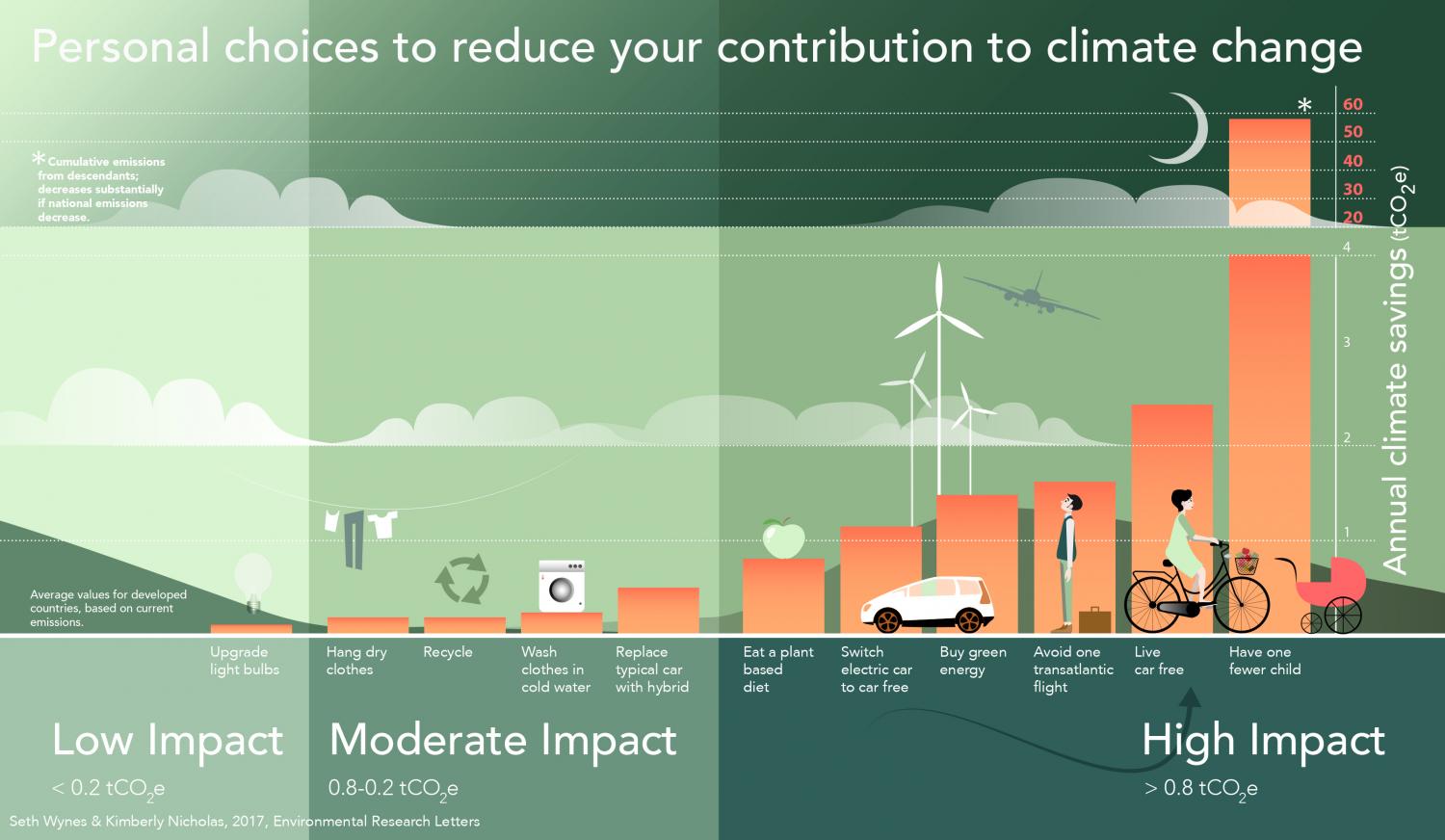
One of the most effective ways to combat climate change is by reducing your carbon footprint. This can be done by using energy-efficient appliances, driving less or carpooling, eating a plant-based diet, and reducing waste through recycling and composting.
Support Renewable Energy
Transitioning to renewable energy sources such as solar and wind power is crucial in reducing greenhouse gas emissions. Support policies that promote renewable energy development and consider installing solar panels on your home or investing in community solar projects.
Advocate for Climate Action
Use your voice to advocate for climate action at the local, national, and global levels. Write to your elected officials urging them to support policies that address climate change, participate in climate marches and protests, and support organizations working towards environmental protection.
Reduce Water Usage
Conserving water not only helps save this precious resource but also reduces the energy required for water treatment and distribution. Fix leaks in your home, install water-saving devices like low-flow showerheads and faucets, and practice water-saving habits such as turning off the tap while brushing your teeth.
Sustainable Transportation
Opt for sustainable transportation options such as biking, walking, using public transportation, or driving electric vehicles. These choices help reduce greenhouse gas emissions from traditional gasoline-powered vehicles and contribute to cleaner air quality.
Educate Yourself and Others
Stay informed about climate change issues by reading reputable sources of information and engaging in discussions with others. Share what you learn with friends and family to raise awareness about the importance of taking action against climate change.
In conclusion, every action we take against climate change matters. By making conscious choices in our daily lives and advocating for systemic changes, we can work together to mitigate the impacts of climate change and create a more sustainable future for all.
Top Actions and Solutions to Combat Climate Change: FAQs and Strategies
- What are the 5 R’s of climate change?
- What actions can we take against climate change?
- What are 10 ways to stop climate change?
- What are 100 ways to save the environment?
- How can climate change be stopped?
- What are 10 ways to reduce pollution?
- What are 5 solutions to help fight climate change?
What are the 5 R’s of climate change?
The 5 R’s of climate change refer to key actions individuals can take to reduce their environmental impact and combat climate change. These principles include: “Reduce” – minimizing consumption and waste generation, “Reuse” – finding new uses for items to extend their lifespan, “Recycle” – converting waste materials into new products, “Refuse” – saying no to single-use plastics and unsustainable products, and “Rethink” – reconsidering habits and choices to prioritize sustainability. By following the 5 R’s, individuals can contribute to a more sustainable future and help mitigate the effects of climate change on our planet.
What actions can we take against climate change?
Addressing climate change requires a collective effort encompassing various actions at individual, community, and global levels. Some key steps individuals can take include reducing carbon footprints through energy-efficient practices, supporting renewable energy sources, advocating for climate policies, conserving water, opting for sustainable transportation, and educating oneself and others on the importance of environmental stewardship. By implementing these actions and encouraging broader systemic changes, we can contribute to mitigating climate change impacts and fostering a more sustainable future for generations to come.
What are 10 ways to stop climate change?
There are numerous effective ways individuals and communities can take action to combat climate change and contribute to a more sustainable future. Ten impactful actions include reducing carbon emissions by using energy-efficient appliances and vehicles, supporting renewable energy sources like solar and wind power, advocating for climate-friendly policies, reducing water usage, promoting sustainable transportation options such as biking and public transit, planting trees to absorb carbon dioxide, reducing meat consumption, supporting local and organic food production, practicing waste reduction through recycling and composting, and educating oneself and others about the importance of climate action. By collectively implementing these measures, we can make a significant difference in addressing the global challenge of climate change.
What are 100 ways to save the environment?
There are numerous ways individuals can contribute to saving the environment and combatting climate change. From simple daily habits like reducing water usage, recycling, and using energy-efficient appliances to more impactful actions such as supporting renewable energy, advocating for environmental policies, and participating in community clean-up efforts, there is a wide range of options available. By making conscious choices in our consumption patterns, transportation habits, and energy sources, each person can play a part in preserving our planet for future generations. While the list of 100 ways to save the environment may vary, the key lies in taking consistent and meaningful steps towards sustainability in our everyday lives.
How can climate change be stopped?
Addressing climate change requires a collective effort through a combination of individual actions, policy changes, and global cooperation. To stop climate change, it is essential to reduce greenhouse gas emissions by transitioning to renewable energy sources, promoting energy efficiency, and adopting sustainable practices in various sectors. Additionally, advocating for strong climate policies, investing in green technologies, protecting natural ecosystems, and raising awareness about the urgency of the issue are crucial steps towards mitigating the impacts of climate change and working towards a more sustainable future for our planet.
What are 10 ways to reduce pollution?
Reducing pollution is crucial in combating climate change and protecting our environment. There are various effective ways individuals can contribute to this effort. Ten impactful actions to reduce pollution include switching to renewable energy sources, such as solar or wind power, using public transportation or carpooling to reduce emissions from vehicles, conserving water by fixing leaks and practicing water-saving habits, recycling and composting to minimize waste sent to landfills, supporting local farmers and businesses to reduce the carbon footprint of food production, planting trees and maintaining green spaces to absorb carbon dioxide, advocating for policies that promote clean air and water, reducing plastic usage by opting for reusable alternatives, participating in community clean-up events to prevent litter from polluting ecosystems, and educating others about the importance of pollution reduction for a healthier planet. By implementing these actions collectively, we can make a significant impact in reducing pollution levels and safeguarding the environment for future generations.
What are 5 solutions to help fight climate change?
There are several effective solutions that individuals and communities can implement to combat climate change. Five key actions include reducing carbon emissions by transitioning to renewable energy sources, such as solar and wind power, supporting policies that promote sustainability and environmental protection, advocating for climate action at all levels of government, adopting sustainable transportation options like biking or using public transit, and promoting energy efficiency in homes and businesses through practices such as using energy-efficient appliances and reducing waste. By taking these steps collectively, we can contribute to a more sustainable future and help mitigate the impacts of climate change on our planet.