
The Urgency of Taking Action to Stop Climate Change
Climate change is one of the most pressing issues of our time, with far-reaching consequences for our planet and future generations. The good news is that there are concrete actions that individuals, communities, and governments can take to mitigate and adapt to climate change. Here are some key actions that can help in the fight against this global crisis:
Transitioning to Renewable Energy Sources
Reducing our reliance on fossil fuels and transitioning to renewable energy sources such as solar, wind, and hydroelectric power is crucial in reducing greenhouse gas emissions. Investing in clean energy technologies not only helps combat climate change but also creates jobs and promotes sustainable economic growth.
Reducing Carbon Footprint
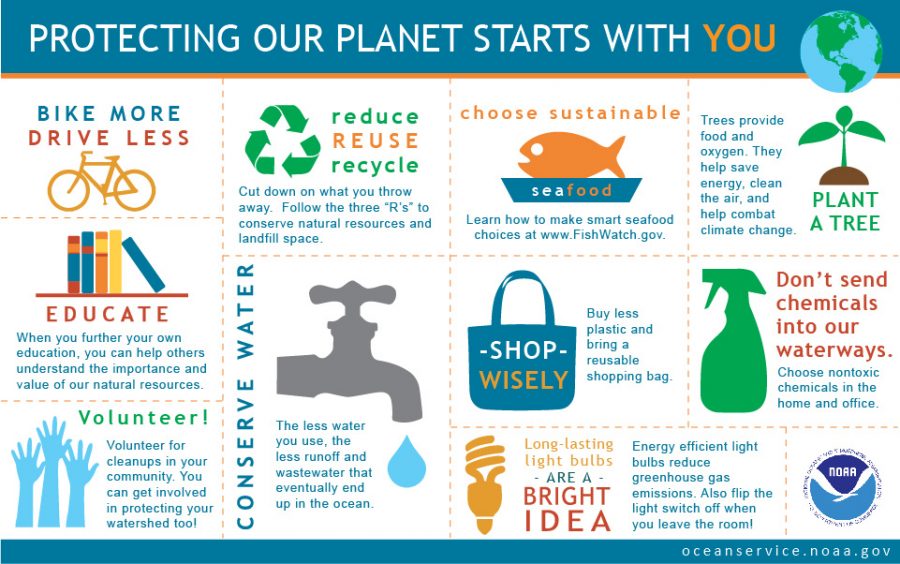
Individuals can make a significant impact by reducing their carbon footprint. This can be achieved through simple actions such as using public transportation, carpooling, biking or walking instead of driving, reducing energy consumption at home, and supporting local sustainable businesses.
Protecting Forests and Ecosystems
Forests act as carbon sinks, absorbing carbon dioxide from the atmosphere. Protecting and restoring forests, as well as other ecosystems such as wetlands and mangroves, can help sequester carbon and preserve biodiversity.
Supporting Sustainable Agriculture
Agriculture is a significant contributor to greenhouse gas emissions. Supporting sustainable agricultural practices such as organic farming, agroforestry, and crop rotation can help reduce emissions while promoting food security and resilience to climate change.
Advocating for Climate Policies
Citizens can advocate for strong climate policies at the local, national, and international levels. This includes supporting initiatives such as carbon pricing, renewable energy incentives, energy efficiency standards, and regulations to limit emissions from industries.
Adapting to Climate Change Impacts
In addition to mitigation efforts, it is crucial to adapt to the impacts of climate change that are already occurring. This includes investing in resilient infrastructure, disaster preparedness measures, early warning systems for extreme weather events, and supporting vulnerable communities most affected by climate change.
In conclusion, addressing climate change requires collective action at all levels of society. By taking proactive steps to reduce emissions, protect ecosystems, support sustainable practices, advocate for policy changes, and prepare for the impacts of a changing climate, we can work towards a more sustainable future for all.
Top 8 Frequently Asked Questions on Actions to Combat Climate Change
- What are the most effective ways to reduce carbon emissions?
- How can individuals contribute to combating climate change in their daily lives?
- What role does renewable energy play in addressing climate change?
- Why is deforestation a concern in relation to climate change?
- What are some sustainable practices that can help mitigate climate change?
- How do government policies impact efforts to stop climate change?
- What is the importance of reducing food waste in the context of climate change?
- How can communities prepare for and adapt to the impacts of a changing climate?
What are the most effective ways to reduce carbon emissions?
One of the most frequently asked questions regarding actions to stop climate change is, “What are the most effective ways to reduce carbon emissions?” There are several key strategies that have proven to be highly effective in mitigating carbon emissions and combating climate change. Transitioning to renewable energy sources such as solar and wind power, improving energy efficiency in buildings and transportation, protecting and restoring forests, promoting sustainable agriculture practices, and advocating for strong climate policies are among the most impactful ways to reduce carbon emissions on a global scale. By implementing these strategies collectively and consistently, we can make significant progress towards a more sustainable future for our planet.
How can individuals contribute to combating climate change in their daily lives?
Individuals play a crucial role in combating climate change through their daily actions. Simple yet impactful steps can be taken, such as reducing energy consumption by using energy-efficient appliances, turning off lights when not in use, and opting for public transportation or carpooling to reduce carbon emissions. Additionally, individuals can minimize waste by recycling and composting, supporting sustainable and local businesses, and making conscious choices about water usage and consumption. By being mindful of their daily habits and making environmentally friendly choices, individuals can contribute significantly to the global effort to combat climate change.
What role does renewable energy play in addressing climate change?
Renewable energy plays a crucial role in addressing climate change by offering a sustainable alternative to fossil fuels. By harnessing energy sources like solar, wind, hydroelectric, and geothermal power, we can significantly reduce greenhouse gas emissions that contribute to global warming. Transitioning to renewable energy not only helps mitigate climate change but also promotes energy independence, creates green jobs, and fosters innovation in clean technologies. Embracing renewable energy is essential in our efforts to combat climate change and build a more sustainable future for generations to come.
Why is deforestation a concern in relation to climate change?
Deforestation is a significant concern in relation to climate change due to its impact on the global carbon cycle. Trees and forests play a crucial role in absorbing carbon dioxide from the atmosphere during photosynthesis, thereby helping to regulate the Earth’s climate. When forests are cleared or degraded through deforestation, this stored carbon is released back into the atmosphere as carbon dioxide, contributing to greenhouse gas emissions and exacerbating climate change. Additionally, deforestation reduces the planet’s capacity to absorb carbon emissions, further intensifying the effects of global warming. Protecting and restoring forests is essential in mitigating climate change and preserving biodiversity for future generations.
What are some sustainable practices that can help mitigate climate change?
Implementing sustainable practices is crucial in mitigating climate change. Some effective actions include transitioning to renewable energy sources like solar and wind power, reducing carbon emissions through energy-efficient practices in transportation and buildings, promoting sustainable agriculture techniques such as organic farming and agroforestry, preserving forests and other natural ecosystems to sequester carbon, advocating for climate-friendly policies at local and national levels, and fostering a culture of environmental stewardship through education and community engagement. By adopting these sustainable practices, we can collectively work towards a more resilient and environmentally conscious future.
How do government policies impact efforts to stop climate change?
Government policies play a crucial role in shaping and influencing efforts to stop climate change. By implementing regulations, incentives, and standards that promote renewable energy adoption, energy efficiency, emissions reductions, and sustainable practices across industries, governments can significantly impact the trajectory of global greenhouse gas emissions. Strong climate policies provide a framework for businesses and individuals to make environmentally conscious choices, drive innovation in clean technologies, and accelerate the transition to a low-carbon economy. Additionally, government support for international agreements and collaborations can enhance global cooperation in addressing climate change challenges effectively. Ultimately, well-designed government policies are essential in creating an enabling environment for collective action towards mitigating climate change impacts.
What is the importance of reducing food waste in the context of climate change?
In the context of climate change, reducing food waste plays a crucial role in mitigating its impact on the environment. Food production accounts for a significant portion of greenhouse gas emissions, and when food is wasted, all the resources used in its production, such as water, energy, and land, are also wasted. Rotting food in landfills produces methane, a potent greenhouse gas that contributes to global warming. By reducing food waste through better storage, distribution, and consumption practices, we can lower carbon emissions, conserve resources, and lessen the strain on our planet’s ecosystems. Prioritizing efforts to minimize food waste is not only beneficial for addressing climate change but also promotes sustainability and responsible resource management for a more resilient future.
How can communities prepare for and adapt to the impacts of a changing climate?
Communities can prepare for and adapt to the impacts of a changing climate by implementing a variety of strategies. First and foremost, conducting comprehensive risk assessments to identify vulnerable areas and populations is crucial. Developing and implementing climate adaptation plans that address specific risks such as extreme weather events, sea-level rise, and heatwaves is essential. Investing in resilient infrastructure, including flood barriers, green spaces, and sustainable drainage systems, can help mitigate the impacts of climate change. Additionally, fostering community engagement and collaboration, promoting sustainable land use practices, and enhancing early warning systems for natural disasters are key components of effective climate adaptation efforts within communities.