
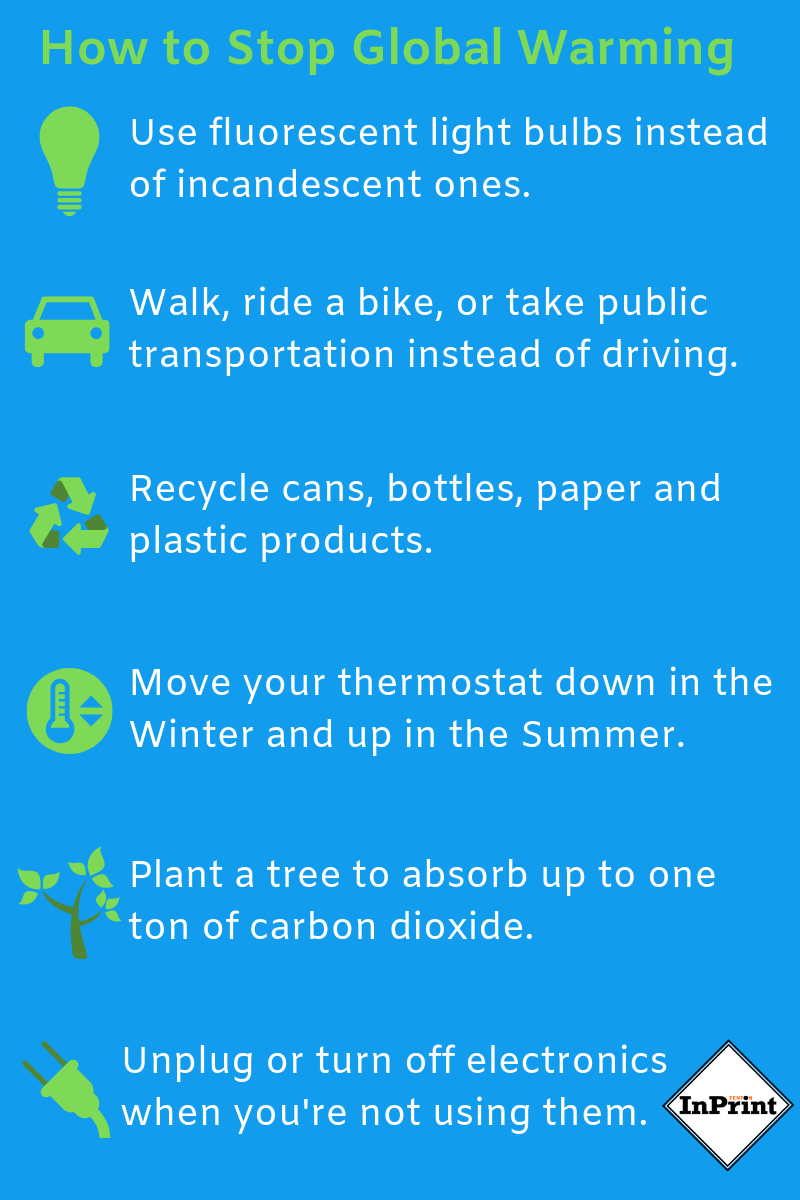
Actions to Reduce Global Warming
Global warming, caused primarily by human activities such as burning fossil fuels and deforestation, is a pressing issue that requires immediate action. To mitigate its impact and prevent further damage to our planet, individuals, communities, and governments must take proactive steps towards reducing greenhouse gas emissions. Here are some effective actions that can help combat global warming:
Transition to Renewable Energy Sources
Switching from fossil fuels to renewable energy sources such as solar, wind, and hydroelectric power can significantly reduce carbon emissions. Investing in clean energy technologies not only helps combat global warming but also promotes sustainable development.
Increase Energy Efficiency
Improving energy efficiency in homes, buildings, and transportation systems can lower energy consumption and reduce greenhouse gas emissions. Simple measures such as using energy-efficient appliances, insulating buildings, and carpooling can make a big difference.
Plant Trees and Preserve Forests
Trees absorb carbon dioxide from the atmosphere and play a crucial role in mitigating global warming. Planting trees and protecting existing forests help sequester carbon and maintain biodiversity, contributing to a healthier planet.
Support Sustainable Agriculture
Agriculture is a significant contributor to greenhouse gas emissions through practices such as deforestation, livestock farming, and excessive fertilizer use. Embracing sustainable agricultural methods like organic farming, crop rotation, and agroforestry can reduce the carbon footprint of food production.
Advocate for Climate Policies
Raising awareness about the importance of climate action and advocating for strong environmental policies is essential in the fight against global warming. Supporting initiatives such as carbon pricing, emission reduction targets, and renewable energy incentives can drive systemic change at a larger scale.
Reduce Waste and Recycle
Reducing waste generation, recycling materials, and composting organic matter help minimize landfill emissions and conserve resources. By adopting sustainable waste management practices, individuals can contribute to reducing their carbon footprint.
In conclusion, addressing global warming requires collective effort and commitment from all sectors of society. By taking proactive steps to reduce greenhouse gas emissions through sustainable practices and policy interventions, we can work towards a more resilient and sustainable future for generations to come.
5 Effective Actions to Combat Global Warming
- Reduce, reuse, and recycle to minimize waste and reduce carbon footprint.
- Conserve energy by turning off lights and electronics when not in use.
- Use public transportation, carpool, walk, or bike instead of driving alone.
- Support renewable energy sources like solar and wind power.
- Plant trees and support reforestation efforts to absorb carbon dioxide.
Reduce, reuse, and recycle to minimize waste and reduce carbon footprint.
Reducing, reusing, and recycling are simple yet powerful actions that individuals can take to minimize waste generation and decrease their carbon footprint. By consuming less, repurposing items, and recycling materials, we can conserve resources, reduce energy consumption, and lower greenhouse gas emissions associated with the production and disposal of goods. Embracing the principles of reduce, reuse, and recycle not only helps combat global warming but also promotes a more sustainable lifestyle that benefits both the environment and future generations.
Conserve energy by turning off lights and electronics when not in use.
Conserving energy by turning off lights and electronics when not in use is a simple yet effective way to reduce global warming. By minimizing electricity consumption, we can lower carbon emissions associated with power generation. This small habit not only helps in combating climate change but also contributes to energy conservation efforts. Making a conscious effort to switch off lights and unplug electronic devices when they are not needed can have a significant impact on reducing our overall environmental footprint.
Use public transportation, carpool, walk, or bike instead of driving alone.
Using public transportation, carpooling, walking, or biking instead of driving alone is a simple yet effective way to reduce carbon emissions and combat global warming. By opting for alternative modes of transportation, individuals can significantly decrease their carbon footprint and contribute to a cleaner environment. Not only does this choice help reduce air pollution and traffic congestion, but it also promotes a healthier lifestyle and fosters a sense of community by sharing rides with others. Making the switch to more sustainable transportation options is a practical step towards creating a greener and more sustainable future for our planet.
Support renewable energy sources like solar and wind power.
Supporting renewable energy sources like solar and wind power is a crucial step in reducing global warming. By transitioning away from fossil fuels and embracing clean energy technologies, we can significantly decrease greenhouse gas emissions and combat climate change. Investing in solar and wind power not only helps to mitigate the environmental impact of traditional energy sources but also promotes sustainable development and a greener future for our planet.
Plant trees and support reforestation efforts to absorb carbon dioxide.
Planting trees and supporting reforestation efforts are crucial actions in the fight against global warming. Trees act as natural carbon sinks, absorbing carbon dioxide from the atmosphere during photosynthesis and storing it in their biomass. By increasing tree cover and preserving existing forests, we can help offset greenhouse gas emissions and mitigate the impacts of climate change. Supporting reforestation not only helps combat global warming but also promotes biodiversity, improves air quality, and enhances the overall health of our planet.