
The Urgency of Taking Action to Mitigate Climate Change
Climate change is one of the most pressing issues of our time, with far-reaching consequences for the environment, society, and economy. In order to combat this global challenge, urgent and decisive actions must be taken at all levels. Here are some key strategies that can help mitigate climate change:
Transitioning to Renewable Energy Sources
One of the most effective ways to reduce greenhouse gas emissions is to shift from fossil fuels to renewable energy sources such as solar, wind, and hydropower. By investing in clean energy technologies and infrastructure, we can significantly decrease our carbon footprint and lessen our reliance on polluting energy sources.
Increasing Energy Efficiency
Improving energy efficiency in buildings, transportation, and industrial processes is another crucial step in mitigating climate change. By adopting energy-efficient practices and technologies, we can reduce energy consumption and lower greenhouse gas emissions while saving money in the long run.
Protecting Forests and Promoting Afforestation
Forests play a vital role in sequestering carbon dioxide from the atmosphere. Protecting existing forests from deforestation and promoting afforestation efforts can help capture more carbon emissions and preserve biodiversity. Sustainable forest management practices are essential for maintaining healthy ecosystems that contribute to climate stability.
Promoting Sustainable Agriculture
Agriculture is a significant contributor to greenhouse gas emissions through practices such as deforestation, livestock farming, and the use of synthetic fertilizers. Transitioning to sustainable agricultural methods, such as organic farming and agroforestry, can help reduce emissions while promoting soil health and biodiversity.
Advocating for Climate-Friendly Policies
Governments, businesses, and individuals all have a role to play in addressing climate change through policy advocacy. Supporting policies that prioritize sustainability, carbon pricing mechanisms, renewable energy incentives, and emission reduction targets can create a conducive environment for combating climate change on a global scale.
Educating and Raising Awareness
Educating the public about the causes and impacts of climate change is essential for fostering collective action. By raising awareness about sustainable practices, encouraging behavioral changes, and promoting environmental literacy, we can empower individuals to make informed choices that contribute to a more sustainable future.
In conclusion, mitigating climate change requires a coordinated effort involving governments, businesses, communities, and individuals worldwide. By implementing these actions collectively and urgently, we can work towards a more sustainable future for generations to come.
Top 8 FAQs on Actions to Mitigate Climate Change and Reduce Greenhouse Gas Emissions
- What are the most effective ways to reduce greenhouse gas emissions?
- How can renewable energy sources help mitigate climate change?
- What role does energy efficiency play in combating climate change?
- Why is protecting forests important for mitigating climate change?
- How does sustainable agriculture contribute to reducing greenhouse gas emissions?
- What policies can governments implement to address climate change?
- How can individuals contribute to mitigating climate change in their daily lives?
- Why is education and awareness essential in the fight against climate change?
What are the most effective ways to reduce greenhouse gas emissions?
One of the most frequently asked questions regarding actions to mitigate climate change is, “What are the most effective ways to reduce greenhouse gas emissions?” Transitioning to renewable energy sources, such as solar and wind power, is considered one of the most impactful strategies. Increasing energy efficiency in buildings and transportation also plays a significant role in reducing emissions. Protecting forests from deforestation and promoting sustainable agriculture practices are essential for sequestering carbon dioxide. Additionally, advocating for climate-friendly policies and raising awareness about the importance of sustainability are crucial steps in addressing greenhouse gas emissions effectively. By implementing these key strategies collectively, we can make substantial progress in combating climate change.
How can renewable energy sources help mitigate climate change?
Renewable energy sources play a crucial role in mitigating climate change by offering a sustainable alternative to fossil fuels. Unlike coal, oil, and natural gas, renewable energy sources such as solar, wind, and hydropower generate electricity without emitting greenhouse gases that contribute to global warming. By harnessing these clean energy sources, we can significantly reduce our carbon footprint and lessen our reliance on polluting fuels. Transitioning to renewable energy not only helps combat climate change by lowering emissions but also promotes energy independence, creates green jobs, and fosters a more resilient and sustainable energy system for the future.
What role does energy efficiency play in combating climate change?
Energy efficiency plays a crucial role in combating climate change by reducing the overall demand for energy and decreasing greenhouse gas emissions associated with energy production. By improving the efficiency of buildings, appliances, transportation systems, and industrial processes, we can significantly lower our carbon footprint and mitigate the impact of climate change. Energy-efficient practices not only help conserve natural resources but also contribute to cost savings, promote sustainable development, and create a more resilient and environmentally friendly future for generations to come.
Why is protecting forests important for mitigating climate change?
Protecting forests is crucial for mitigating climate change due to their role as carbon sinks. Forests absorb carbon dioxide from the atmosphere during photosynthesis, storing it in trees, soil, and vegetation. By preventing deforestation and promoting afforestation efforts, we can enhance the capacity of forests to sequester carbon emissions and reduce the overall concentration of greenhouse gases in the atmosphere. Additionally, forests help regulate local and global climates, maintain biodiversity, and support ecosystems that contribute to environmental resilience. Therefore, safeguarding forests is essential for combating climate change and preserving the health of our planet for future generations.
How does sustainable agriculture contribute to reducing greenhouse gas emissions?
Sustainable agriculture plays a crucial role in reducing greenhouse gas emissions by implementing practices that promote soil health, biodiversity, and carbon sequestration. Through methods such as organic farming, agroforestry, and crop rotation, sustainable agriculture minimizes the use of synthetic fertilizers and pesticides that contribute to greenhouse gas emissions. Additionally, practices like no-till farming and cover cropping help sequester carbon dioxide from the atmosphere into the soil, acting as a natural carbon sink. By prioritizing sustainable agricultural techniques, farmers can not only mitigate climate change but also enhance resilience to its impacts while fostering healthier ecosystems for future generations.
What policies can governments implement to address climate change?
Governments play a crucial role in addressing climate change through the implementation of effective policies. Some key strategies that governments can adopt include setting ambitious emission reduction targets, implementing carbon pricing mechanisms to incentivize low-carbon practices, investing in renewable energy infrastructure, promoting sustainable transportation options, and enforcing regulations to limit greenhouse gas emissions across industries. By enacting comprehensive and forward-thinking policies, governments can lead the way in mitigating climate change and transitioning towards a more sustainable future for all.
How can individuals contribute to mitigating climate change in their daily lives?
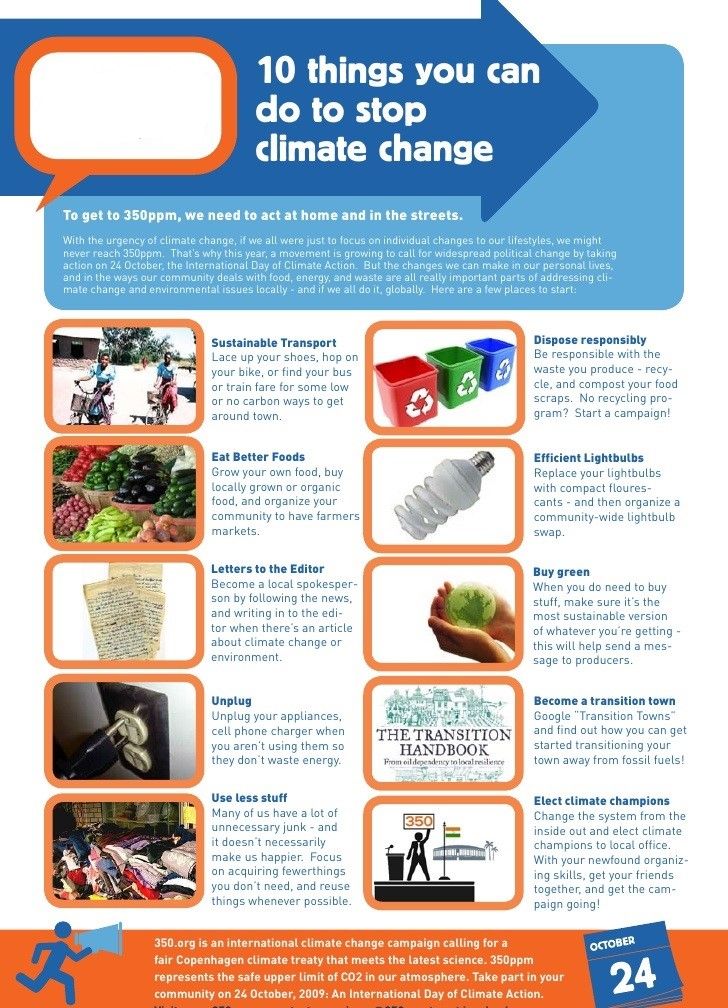
Individuals can make a significant impact on mitigating climate change through simple yet effective actions in their daily lives. By reducing energy consumption, such as turning off lights when not in use and using energy-efficient appliances, individuals can lower their carbon footprint. Choosing sustainable transportation options like walking, biking, or carpooling can help reduce emissions from vehicles. Additionally, adopting a plant-based diet or reducing meat consumption can lower greenhouse gas emissions associated with livestock farming. Recycling, composting, and minimizing waste also play a crucial role in reducing environmental impact. By making conscious choices and incorporating sustainable practices into their routines, individuals can contribute to a more sustainable future for the planet.
Why is education and awareness essential in the fight against climate change?
Education and awareness are essential in the fight against climate change because they empower individuals and communities to understand the causes and impacts of environmental degradation, inspiring them to take action. By providing knowledge about sustainable practices, renewable energy, and conservation efforts, education equips people with the tools to make informed decisions that reduce their carbon footprint. Awareness campaigns raise consciousness about the urgency of climate change, fostering a sense of collective responsibility and motivating individuals to advocate for policy changes and adopt environmentally friendly behaviors. Ultimately, education and awareness play a critical role in driving societal shifts towards a more sustainable future by promoting informed decision-making and fostering a culture of environmental stewardship.