
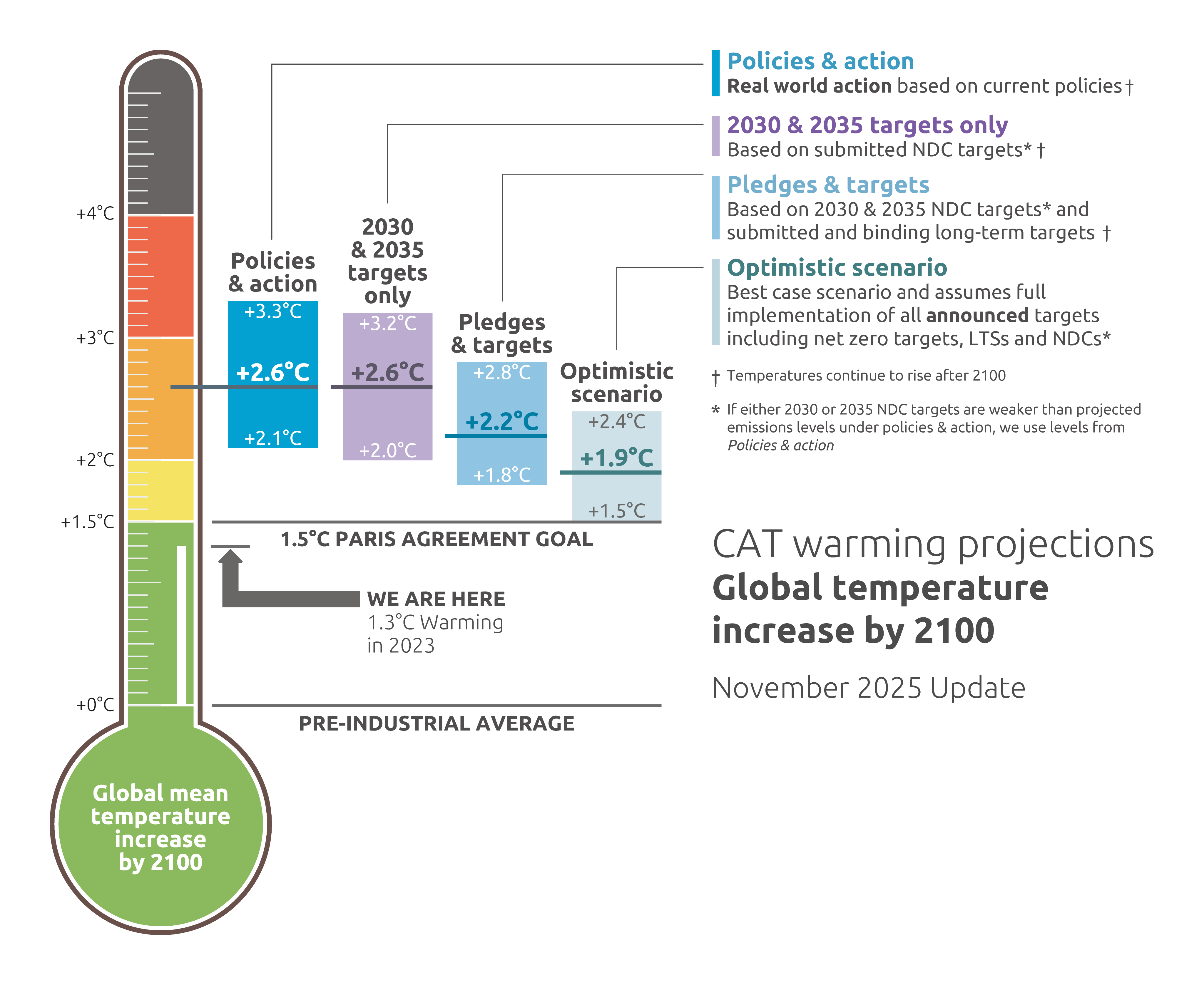
The Urgency of Taking Action Towards Climate Change
Climate change is one of the most pressing challenges of our time, with far-reaching impacts on the environment, economy, and society. The scientific consensus is clear: human activities, particularly the burning of fossil fuels and deforestation, are driving unprecedented changes in our climate.
As global temperatures rise, we are already witnessing more frequent and severe heatwaves, storms, droughts, and flooding. These extreme weather events not only threaten ecosystems and biodiversity but also jeopardize food security, water resources, and human health.
Why Action is Essential
In order to mitigate the worst effects of climate change and safeguard our planet for future generations, immediate action is essential. Transitioning to a low-carbon economy, reducing greenhouse gas emissions, and investing in renewable energy sources are crucial steps that must be taken on a global scale.
Furthermore, adaptation measures such as improving infrastructure resilience, protecting vulnerable communities, and promoting sustainable land use practices are vital for coping with the impacts of climate change that are already underway.
The Role of Individuals and Communities
While governments and businesses play a significant role in addressing climate change through policy changes and investments in green technologies, individuals and communities also have a crucial part to play.
Simple actions such as reducing energy consumption, using public transportation or biking instead of driving, recycling and composting waste, planting trees, and supporting local sustainable initiatives can all contribute to reducing carbon footprints and building more resilient communities.
A Call to Action
We cannot afford to delay action on climate change any longer. The time to act is now. By working together at all levels – from grassroots movements to international cooperation – we can make a difference in combating climate change and creating a more sustainable future for all.
9 Essential Tips for Taking Action Against Climate Change
- Reduce, reuse, and recycle to minimize waste
- Conserve energy by turning off lights and electronics when not in use
- Use public transportation, carpool, or bike instead of driving alone
- Support renewable energy sources like solar and wind power
- Plant trees and support reforestation efforts
- Reduce water usage by fixing leaks and taking shorter showers
- Choose sustainable products with minimal packaging
- Advocate for policies that promote environmental protection
- Educate others about the importance of climate change action
Reduce, reuse, and recycle to minimize waste
Reducing, reusing, and recycling are simple yet powerful actions that individuals can take to contribute to mitigating climate change. By minimizing waste through conscious consumption, finding creative ways to repurpose items, and recycling materials whenever possible, we can significantly reduce the strain on natural resources and lower carbon emissions associated with production and disposal. Embracing the “reduce, reuse, recycle” mantra not only helps in preserving the environment but also promotes a more sustainable lifestyle for a greener future.
Conserve energy by turning off lights and electronics when not in use
Conserving energy by turning off lights and electronics when not in use is a simple yet effective way to reduce our carbon footprint and combat climate change. By practicing this habit in our daily lives, we can significantly decrease electricity consumption and lower greenhouse gas emissions associated with energy production. Small actions like these, when done collectively, can make a substantial impact in preserving our planet for future generations.
Use public transportation, carpool, or bike instead of driving alone
Using public transportation, carpooling, or biking instead of driving alone is a simple yet effective way to reduce your carbon footprint and contribute to the fight against climate change. By sharing rides or opting for alternative modes of transportation, you can help lower greenhouse gas emissions, alleviate traffic congestion, and promote sustainable mobility practices. Making this small change in your daily routine can have a significant impact on the environment and play a part in building a more sustainable future for our planet.
Support renewable energy sources like solar and wind power
Supporting renewable energy sources like solar and wind power is a crucial step in taking action towards combating climate change. By shifting away from fossil fuels to clean, sustainable energy sources, we can significantly reduce greenhouse gas emissions and mitigate the impacts of global warming. Embracing solar and wind power not only helps in creating a more environmentally friendly energy system but also promotes innovation, creates jobs, and enhances energy security. Making the switch to renewable energy is a tangible way for individuals and communities to contribute to a greener future for our planet.
Plant trees and support reforestation efforts
Planting trees and supporting reforestation efforts are powerful actions individuals can take to combat climate change. Trees act as natural carbon sinks, absorbing carbon dioxide from the atmosphere and helping to mitigate greenhouse gas emissions. By increasing forest cover through tree planting initiatives, we not only enhance biodiversity and restore ecosystems but also contribute to cooling the planet. Supporting reforestation projects can have a lasting impact on the environment, fostering a healthier and more sustainable future for generations to come.
Reduce water usage by fixing leaks and taking shorter showers
Reducing water usage by fixing leaks and taking shorter showers is a simple yet effective way to contribute to climate change action. Water is a precious resource, and conserving it not only helps in reducing water waste but also lowers energy consumption associated with water heating and treatment. By being mindful of our water usage habits, we can make a positive impact on both the environment and our utility bills.
Choose sustainable products with minimal packaging
Choosing sustainable products with minimal packaging is a simple yet powerful way to reduce your environmental impact and contribute to the fight against climate change. By opting for items that are packaged in eco-friendly materials or have minimal packaging, you can help decrease the amount of waste that ends up in landfills and incinerators, ultimately lowering greenhouse gas emissions. Additionally, supporting products with sustainable packaging practices encourages companies to adopt more environmentally friendly production methods, leading to a more sustainable and greener economy overall.
Advocate for policies that promote environmental protection
Advocating for policies that promote environmental protection is a crucial step in addressing climate change. By supporting legislation that prioritizes sustainability, renewable energy, and conservation efforts, we can create a framework for a greener future. These policies can incentivize industries to reduce their carbon footprint, protect natural habitats, and invest in clean technologies. Through active advocacy and engagement with policymakers, we can drive systemic change that benefits both the environment and society as a whole.
Educate others about the importance of climate change action
Educating others about the importance of taking action towards climate change is a crucial step in fostering widespread awareness and engagement. By sharing knowledge about the impacts of climate change on our planet and emphasizing the urgency of implementing solutions, we empower individuals to make informed choices and advocate for sustainable practices in their own lives and communities. Through education, we can inspire collective action and create a ripple effect of positive change towards a more resilient and environmentally conscious society.