
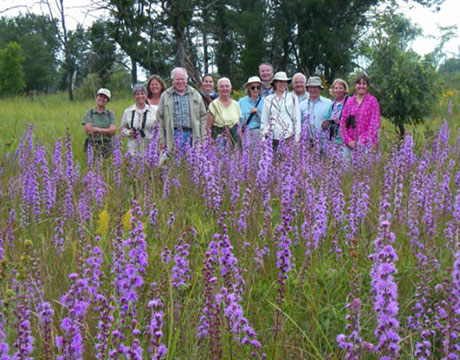
Volunteer Conservation Projects: How to Make a Meaningful Difference
Volunteer conservation projects give people a practical way to care for the natural world. From restoring native habitats to monitoring wildlife, volunteers can support the work of local organizations and help communities protect the places they value. These projects also offer a chance to learn new skills, meet people who share an interest in nature, and see the results of hands-on effort.
What Conservation Volunteers Do
Conservation work varies by location and season. A project might focus on a neighborhood park, a river corridor, a forest, a coastal area, or a protected landscape. Common activities include:
- Habitat restoration: Planting native species, removing invasive plants, and improving areas for local wildlife.
- Wildlife monitoring: Recording observations of birds, mammals, insects, amphibians, or other species.
- Trail and park care: Clearing debris, repairing trails, maintaining signs, and helping reduce erosion.
- River and beach cleanups: Collecting litter and documenting pollution to support cleanup and prevention efforts.
- Community science: Gathering data that researchers and land managers can use to understand environmental changes.
- Environmental education: Helping with nature events, school activities, or public information programs.
Why Volunteer Projects Matter
Conservation groups often work across large areas and face complex challenges. Volunteers can expand the amount of work that gets done, contribute observations from many locations, and help build public support for protecting nature. Even a short cleanup or planting day can make a local area healthier and more welcoming for people and wildlife.
Volunteer projects can also strengthen connections between people and their surroundings. When participants learn how an ecosystem works and what threatens it, conservation becomes more than an abstract issue. It becomes a shared responsibility grounded in the places people live, work, and explore.
Choosing the Right Project
Look for a project that fits your interests, schedule, abilities, and comfort level. Some opportunities involve a single morning, while others require regular participation over several weeks or months. Before signing up, consider asking the organizer:
- What tasks will volunteers be doing?
- Is training or prior experience required?
- How physically demanding is the work?
- What should volunteers bring or wear?
- Are tools, transportation, water, or meals provided?
- How is the project’s impact measured?
Choose organizations that explain their goals clearly, provide appropriate guidance, and follow responsible practices. For wildlife-related activities, this includes minimizing disturbance, respecting closures, and following instructions from trained staff.
How to Prepare
Preparation helps volunteers stay safe and make the most of their time. Read the project details in advance, dress for the weather, and bring any requested supplies. Sturdy footwear, sun protection, water, and work gloves are common essentials, but requirements vary. Follow safety instructions, use tools only as directed, and let the project leader know if you have access needs or questions.
It is also important to approach conservation work with patience. Habitat restoration and ecosystem recovery take time. A planting day may be one step in a longer effort that includes follow-up care, monitoring, and adjustments as conditions change.
Make Your Contribution Count
Consistency can be just as valuable as a single large effort. Returning to the same site can help organizations maintain projects and track changes over time. Volunteers can also support conservation beyond scheduled events by learning about local ecosystems, reducing waste, sharing reliable information, and encouraging friends and neighbors to get involved.
Volunteer conservation projects turn concern for the environment into practical action. Whether you help restore a habitat, collect community science data, or care for a local trail, your time can contribute to healthier ecosystems and stronger communities.
Volunteer Conservation Projects: 9 Frequently Asked Questions
- What types of volunteer conservation projects are available?
- How do I find a reputable conservation organization to volunteer with?
- Do I need prior experience or special training to volunteer?
- What kinds of tasks do conservation volunteers typically do?
- How much time do volunteer conservation projects require?
- Are conservation volunteer opportunities suitable for families or children?
- What should I bring or wear to a conservation volunteer event?
- Are there costs or fees to participate in a volunteer conservation project?
- How can I tell whether a volunteer conservation project is making a difference?
What types of volunteer conservation projects are available?
Volunteer conservation projects range from hands-on habitat restoration—such as planting native species and removing invasive plants—to wildlife monitoring, trail maintenance, river and beach cleanups, and community science projects that help researchers track environmental changes. Some organizations also need volunteers to support environmental education, community outreach, or conservation events. Opportunities vary by location, season, time commitment, and physical demands, so check with local parks, conservation groups, and land trusts to find a project that fits your interests and abilities.
How do I find a reputable conservation organization to volunteer with?
To find a reputable conservation organization, start by researching local nonprofits, land trusts, parks, universities, and community science programs. Review each organization’s mission, project details, leadership, and track record, and look for clear information about how volunteer work supports conservation goals. Ask about training, safety procedures, supervision, and how the organization measures results. You can also check independent reviews, community recommendations, and nonprofit records, and contact the group with questions before signing up. Reputable organizations welcome inquiries and set realistic expectations about what volunteers will do and the impact they can make.
Do I need prior experience or special training to volunteer?
Most volunteer conservation projects do not require prior experience, and organizers typically provide instructions or training before work begins. Some specialized activities, such as wildlife surveys or operating certain tools, may require additional training or specific qualifications. Check the project details when signing up, and let the organizer know if you have questions about the tasks or safety requirements.
What kinds of tasks do conservation volunteers typically do?
Conservation volunteers typically help with hands-on activities such as planting native species, removing invasive plants, restoring habitats, cleaning beaches or waterways, and maintaining trails. Depending on the project, they may also monitor wildlife, collect community science data, assist with environmental education, or support community outreach. Tasks vary by location, season, and volunteer experience, and organizers usually provide instructions and any necessary training.
How much time do volunteer conservation projects require?
The time commitment for volunteer conservation projects varies by organization and activity. Some opportunities, such as a park cleanup or tree-planting day, may take just a few hours, while habitat restoration or wildlife-monitoring programs may ask for regular help over several weeks or months. Check the project details before signing up, and ask whether there are flexible shifts or ongoing commitments so you can choose an option that fits your schedule.
Are conservation volunteer opportunities suitable for families or children?
Many conservation volunteer opportunities are suitable for families, and some are designed specifically for children, such as park cleanups, native planting days, or nature education activities. Age limits, supervision requirements, and task difficulty vary by project, so check with the organizer before signing up. Choose an activity that matches children’s ages and abilities, and make sure they have appropriate clothing, water, and adult supervision.
What should I bring or wear to a conservation volunteer event?
Wear comfortable, weather-appropriate clothing that you don’t mind getting dirty, along with sturdy, closed-toe shoes or boots. Bring water, sun protection, and any personal essentials you may need; work gloves and tools are often provided, but check the event details beforehand. If conditions may be wet or cold, pack layers or rain gear, and follow the organizer’s instructions about required equipment and safety gear.
Are there costs or fees to participate in a volunteer conservation project?
Some volunteer conservation projects are free, while others charge a fee to cover expenses such as training, equipment, meals, transportation, or lodging. Costs vary by organization and location, so review the project details and ask what the fee includes before signing up. Also check whether you’ll need to pay for travel, supplies, or accommodations separately, and ask about scholarships or fee waivers if cost is a concern.
How can I tell whether a volunteer conservation project is making a difference?
Look for clear goals, regular progress updates, and measurable results, such as acres of habitat restored, native plants established, wildlife observations recorded, or litter removed. Ask organizers how they track outcomes and whether they share findings with participants or local partners. Some benefits take time to appear, so a credible project will distinguish immediate outputs from longer-term ecological impact and explain how it adapts its work based on monitoring. A meaningful project should also follow sound conservation practices and work with relevant experts or community groups.