
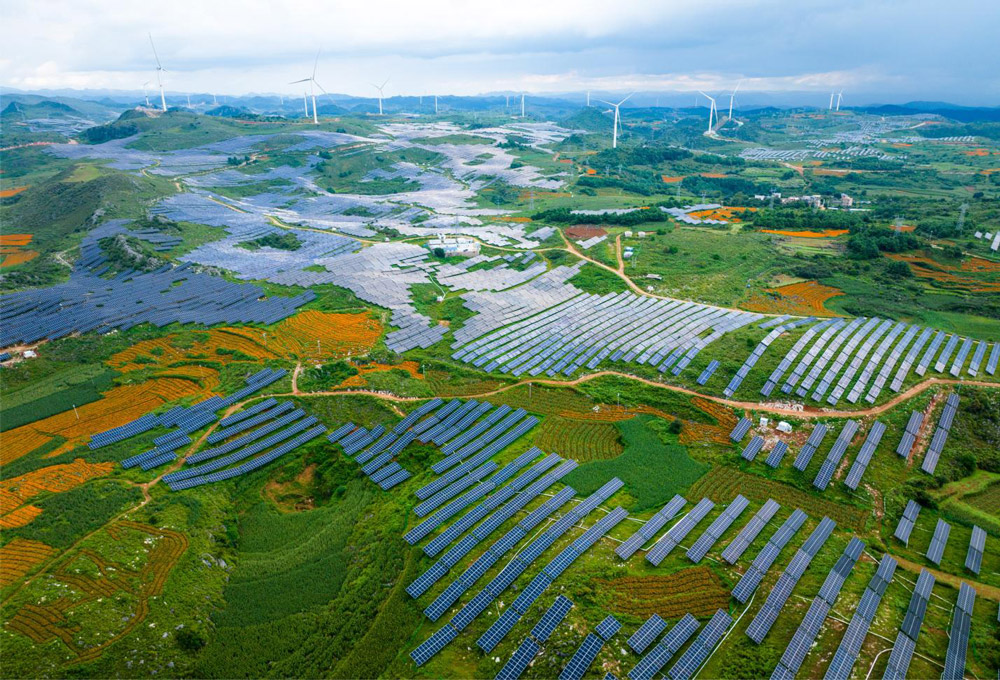
The Energy Transition: A Key to Meaningful Climate Action
Climate change is reshaping communities, ecosystems, and economies around the world. Addressing it requires many kinds of action, from protecting forests and improving energy efficiency to preparing for extreme weather. One of the most important steps is transforming how energy is produced and used.
What Is the Energy Transition?
The energy transition is the shift away from energy sources that release large amounts of greenhouse gases, especially coal, oil, and natural gas, toward cleaner and more sustainable systems. It includes expanding renewable energy such as wind and solar, improving energy efficiency, modernizing electric grids, and changing how buildings, vehicles, and industries are powered.
This transition is not simply about replacing one technology with another. It also involves updating infrastructure, planning for reliable energy supplies, reducing waste, and ensuring that the benefits and costs of change are shared fairly.
Why It Matters for Climate Action
Burning fossil fuels releases carbon dioxide and other greenhouse gases that contribute to global warming. Reducing these emissions is essential to limiting future climate risks. Cleaner electricity can also help lower emissions in other areas when it powers electric vehicles, heating systems, and industrial processes.
Energy efficiency is another important part of the solution. Well-insulated buildings, efficient appliances, and improved industrial equipment can reduce energy demand while lowering utility costs. Using less energy often makes it easier and more affordable to supply the remaining demand with clean sources.
Building a Reliable, Cleaner Energy System
Wind and solar power can provide electricity without the emissions associated with fossil fuel combustion. Because their output varies with weather and time of day, a dependable clean energy system also needs investments in transmission lines, energy storage, flexible demand, and other sources of low-emission power where appropriate.
Modernizing the electric grid can help move electricity from where it is generated to where it is needed. Storage technologies can save energy for later use, while tools that help customers shift some electricity use to less busy times can ease pressure on the system. Careful planning and maintenance are essential to keep energy dependable as the grid changes.
A Fair and Inclusive Transition
The move to cleaner energy affects workers, households, businesses, and communities in different ways. A fair transition can include job training, support for workers and communities facing economic change, and meaningful involvement for residents in decisions about local projects.
Energy affordability also matters. Policies and programs can help households improve home efficiency, access clean electricity, and manage energy costs. When planned thoughtfully, climate action can deliver additional benefits, including cleaner air, new employment opportunities, and more resilient communities.
How Communities and Individuals Can Contribute
Governments and businesses have a major role in setting policy, investing in infrastructure, and changing large-scale energy systems. Communities can support responsible renewable energy projects, improve public transportation, and plan buildings and neighborhoods to use energy more efficiently.
Individuals can contribute by reducing unnecessary energy use, choosing efficient appliances, exploring renewable electricity options, and considering lower-emission ways to travel. These steps matter most when they are supported by broader policies and investments that make cleaner choices practical and accessible.
Moving Forward
The energy transition is a long-term effort, but decisions made today can shape the pace and direction of change. Success depends on clear planning, reliable technology, public participation, and sustained investment. By making energy cleaner and using it more efficiently, societies can reduce greenhouse gas emissions while building systems that better serve people and communities.
Top 7 FAQs About Energy Transition and Climate Action: Understanding the Shift to a Sustainable Future
- What is the energy transition?
- How does the energy transition help fight climate change?
- What are the main sources of renewable energy?
- Can renewable energy provide reliable electricity?
- How can individuals reduce their carbon emissions?
- How does the energy transition affect jobs and the economy?
- What can governments and communities do to accelerate climate action?
What is the energy transition?
The energy transition is the shift from energy systems based mainly on fossil fuels, such as coal, oil, and natural gas, to cleaner, more sustainable sources like wind and solar. It also includes improving energy efficiency, modernizing power grids, expanding energy storage, and electrifying areas such as transportation and home heating. The goal is to reduce greenhouse gas emissions while providing reliable, affordable energy for communities.
How does the energy transition help fight climate change?
The energy transition helps fight climate change by replacing high-emission fossil fuels like coal, oil, and natural gas with cleaner energy sources such as wind and solar. It also promotes energy efficiency and cleaner ways to power buildings, transportation, and industry. Together, these changes reduce greenhouse gas emissions—the main driver of human-caused climate change—and can improve air quality while supporting a more sustainable energy system.
What are the main sources of renewable energy?
The main sources of renewable energy are solar, wind, hydropower, geothermal, and bioenergy. Solar power converts sunlight into electricity or heat, while wind turbines use moving air to generate electricity. Hydropower produces electricity from flowing or falling water, and geothermal energy draws on heat from beneath Earth’s surface. Bioenergy comes from organic materials such as plants and agricultural or forestry residues. Each source has different benefits and impacts, so the best mix depends on local resources, environmental considerations, and energy needs.
Can renewable energy provide reliable electricity?
Yes. Renewable energy can provide reliable electricity when it is supported by a well-planned, modern grid. Wind and solar output varies with weather and time of day, so grid operators balance it with energy storage, transmission between regions, flexible electricity use, and other power sources. A diverse mix of resources helps keep electricity available when conditions change. With continued investment in these systems, renewable energy can contribute substantially to a dependable electricity supply while reducing greenhouse gas emissions.
How can individuals reduce their carbon emissions?
Individuals can reduce their carbon emissions by using less energy at home, choosing efficient appliances, improving insulation, and selecting renewable electricity when available. Walking, biking, carpooling, or taking public transportation can reduce emissions from travel, as can choosing an efficient or electric vehicle when practical. Eating more plant-based meals, reducing food waste, and buying fewer durable goods can also help. The best steps depend on each person’s circumstances, but supporting community and public policies that expand clean energy and low-carbon transportation can make climate-friendly choices easier for everyone.
How does the energy transition affect jobs and the economy?
The energy transition can reshape jobs and the economy as investment shifts from fossil fuels toward renewable energy, grid upgrades, energy efficiency, and electric transportation. It can create new roles in construction, manufacturing, engineering, and maintenance, while some workers and communities tied to fossil fuel industries may face job losses or economic disruption. The overall effects depend on how quickly the transition happens and how well workers and regions are supported through training, income assistance, and economic development. With thoughtful planning, the transition can strengthen energy security, encourage innovation, and create new opportunities while helping ensure that its benefits are broadly shared.
What can governments and communities do to accelerate climate action?
Governments can accelerate climate action by setting clear emissions targets, expanding clean energy, improving public transportation and building efficiency, and directing funding toward climate-resilient infrastructure. They can also update policies and incentives to support low-carbon technologies while helping workers and households manage the transition. Communities can contribute by developing local climate plans, supporting energy-saving and renewable-energy projects, protecting natural areas, and making streets safer for walking, biking, and transit. Meaningful public participation helps ensure that these efforts reflect local needs and that their benefits are shared fairly.