
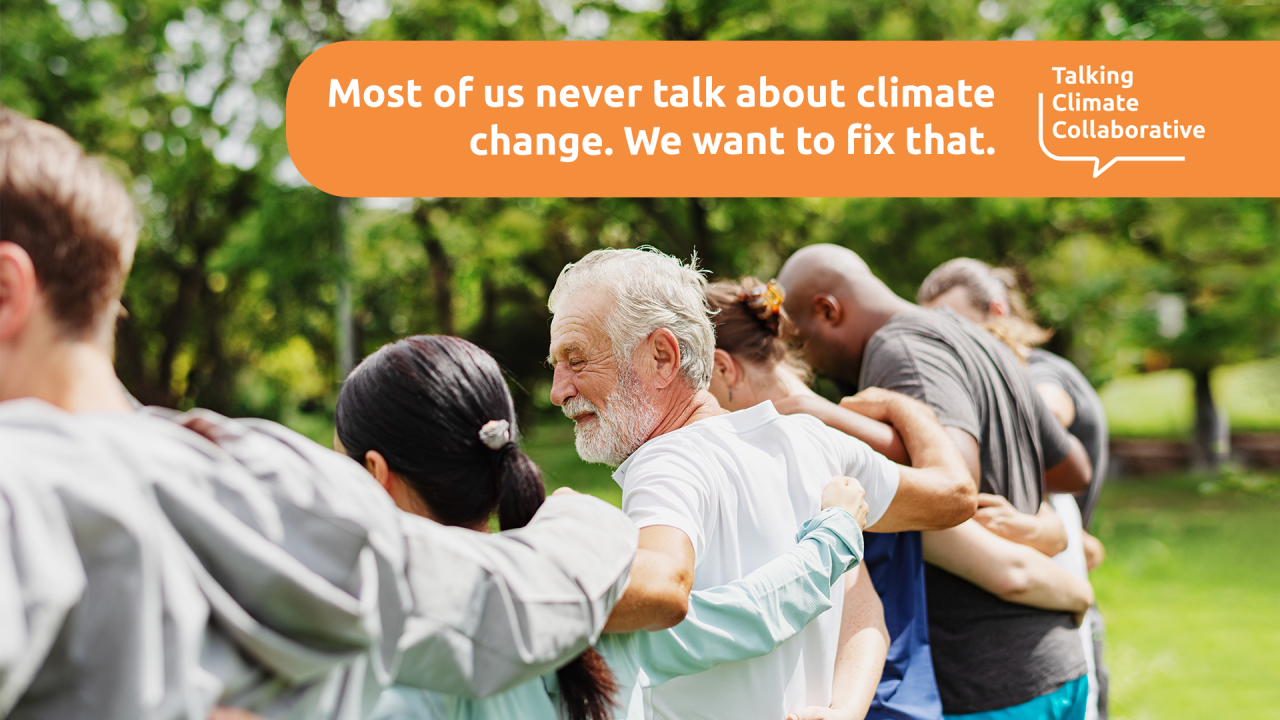
Communicating Climate Action: Turning Concern Into Momentum
Climate change can feel like an overwhelming subject. The science is complex, the impacts are already being felt, and the solutions involve decisions by individuals, communities, businesses, and governments. Clear, thoughtful communication can help people move from concern to understanding—and from understanding to meaningful action.
Start With What Matters to Your Audience
People connect with climate change in different ways. Some are concerned about wildfire smoke, heat, drought, or flooding. Others focus on health, reliable energy, local jobs, food, or the cost of living. Begin by listening. Ask what people have noticed and what they care about, then explain how climate change relates to those concerns.
Connecting climate information to familiar places and experiences can make an abstract issue easier to understand. Local examples—such as changes in seasonal weather, risks to nearby watersheds, or steps a community is taking to prepare for heat—can give the conversation greater relevance.
Be Clear, Accurate, and Honest
Use plain language and explain unfamiliar terms. Share information from credible scientific and public sources, and distinguish between what is known, what is expected, and what remains uncertain. Uncertainty is part of science; it does not mean that nothing is known or that action must wait.
Avoid exaggeration, but do not minimize the risks. Overstated claims can undermine trust, while overly technical explanations can leave people feeling excluded. A useful message is both accurate and understandable.
Make Room for Solutions
Stories about climate impacts are important, but communication that focuses only on danger can leave people feeling helpless. Pair challenges with practical responses. These might include improving energy efficiency, expanding clean energy, protecting natural areas, preparing for extreme weather, or supporting community-led projects.
Be specific about what a proposed action can accomplish. Explain who is responsible, what the next step is, and how people can take part. When possible, highlight examples that show solutions already working—while being honest about their limits and the work still needed.
Offer Actions at Different Levels
There is no single action that solves climate change. Individual choices can help, but lasting progress also depends on collective decisions and public policy. Give people options that match their time, interests, and resources, such as:
- Learning about climate risks and plans in their community.
- Making homes and workplaces more energy efficient.
- Joining local restoration, preparedness, or conservation efforts.
- Sharing reliable information and discussing solutions with friends and neighbors.
- Taking part in public meetings or contacting elected representatives.
- Supporting organizations and policies that advance effective climate solutions.
Present these choices as opportunities, not tests of personal virtue. People have different circumstances, and some actions may not be accessible to everyone. Communication is more effective when it welcomes participation rather than assigning blame.
Build Trust Through Listening and Follow-Through
Good climate communication is a conversation, not just a presentation. Make space for questions, acknowledge concerns, and respond respectfully—even when people disagree. Trust grows when communicators are transparent about their goals, recognize trade-offs, and follow up on commitments.
It also helps to work with people who are already trusted in a community. Local educators, health professionals, community leaders, scientists, and residents can bring relevant knowledge and perspectives. Collaboration should be genuine: invite people to shape the conversation, not simply deliver a prepared message.
Keep the Conversation Going
Climate action is a long-term effort, so communication should not end after a campaign or event. Share progress, explain setbacks, celebrate contributions, and make the next step clear. A steady flow of useful, credible information can help sustain attention and strengthen community connections.
The most effective climate messages combine honesty with possibility. They recognize the seriousness of the challenge, respect the people hearing it, and point toward practical ways to respond. When communication helps people see how their communities can act together, climate concern can become shared purpose—and shared purpose can lead to lasting change.
9 Key Questions for Effectively Communicating Climate Change Action
- How can I explain climate change in clear, everyday language?
- How do I talk about climate change with someone who is skeptical?
- What are the most effective ways to communicate climate action without causing fear or hopelessness?
- How can I connect climate change to issues that matter to my community?
- How do I share climate information accurately and avoid misinformation?
- What climate actions should I encourage individuals and communities to take?
- How can I discuss climate solutions without making people feel blamed?
- Which sources are reliable for climate facts and communication materials?
- How can I tell whether a climate communication campaign is making a difference?
How can I explain climate change in clear, everyday language?
Explain climate change as the long-term warming and shifting of Earth’s usual weather patterns, driven mainly by heat-trapping gases released when people burn coal, oil, and gas. A simple analogy can help: these gases act like an extra blanket around the planet, holding in more heat. Connect the idea to familiar local effects—such as hotter days, heavier rainfall, drought, or wildfire risk—while noting that no single weather event is caused by climate change alone. Keep the explanation brief, use everyday words, and pair the problem with practical steps people and communities can take.
How do I talk about climate change with someone who is skeptical?
When talking about climate change with someone who is skeptical, start by listening rather than trying to win an argument. Ask what concerns them, acknowledge any points you agree on, and connect the discussion to shared priorities such as health, local safety, energy costs, or the future of the community. Keep the conversation respectful, use clear information from credible sources, and be honest about what scientists know and what remains uncertain. Instead of overwhelming them with facts, focus on one relevant example or practical solution, and remember that building trust may take more than one conversation.
What are the most effective ways to communicate climate action without causing fear or hopelessness?
The most effective climate communication is honest about the risks while giving people a clear sense of agency and possibility. Use credible information and relatable local examples, explain impacts without sensationalizing them, and pair challenges with practical solutions that individuals, communities, and governments can take. Highlight progress and stories of people working together, while acknowledging that no single action solves the problem. Invite questions, listen respectfully, and offer realistic next steps so the conversation builds understanding, confidence, and shared momentum rather than fear or hopelessness.
How can I connect climate change to issues that matter to my community?
Connect climate change to the concerns people already talk about in your community, such as health, wildfire risk, flooding, energy costs, jobs, or access to clean water. Listen first, then use clear local examples—like hotter summers, changing water supplies, or efforts to make buildings more energy-efficient—to show how climate impacts and solutions relate to daily life. Share reliable information, acknowledge different perspectives, and highlight practical actions residents can take together.
How do I share climate information accurately and avoid misinformation?
Share climate information from credible sources, such as scientific agencies, universities, and established research organizations, and check that the information is current. Read beyond headlines, verify claims against more than one reliable source, and distinguish established findings from projections or uncertainty. When sharing a statistic, include its context and original source; avoid altering images, quotes, or data in ways that could mislead. If you discover that you shared an error, correct it promptly and clearly. When in doubt, pause before reposting and consult a trusted expert or fact-checking resource.
What climate actions should I encourage individuals and communities to take?
Encourage a mix of practical personal steps and collective action. Individuals can reduce home energy use, choose lower-emission transportation when possible, waste less food, and support climate-friendly products and policies. Communities can improve public transit and energy efficiency, expand clean energy, protect trees and natural areas, prepare for extreme weather, and include residents in local climate planning. Emphasize that the best actions depend on local needs and available resources, and that individual choices matter most when paired with broader community and policy changes.
How can I discuss climate solutions without making people feel blamed?
Discuss climate solutions as shared opportunities, not personal tests or moral judgments. Acknowledge that people have different resources, responsibilities, and choices, and avoid implying that individual actions alone can solve a systemic problem. Focus on practical steps communities, businesses, and governments can take together, while inviting people to choose actions that fit their circumstances. Listening with curiosity, recognizing existing efforts, and emphasizing benefits such as healthier neighborhoods, lower energy costs, and greater resilience can help keep the conversation constructive and inclusive.
Which sources are reliable for climate facts and communication materials?
Reliable climate information comes from sources that are transparent about their evidence, methods, and funding, and that reflect the broad scientific consensus. For climate facts, start with government science agencies such as NOAA, NASA, and the U.S. Environmental Protection Agency, as well as the National Academies of Sciences, Engineering, and Medicine and the Intergovernmental Panel on Climate Change (IPCC). For communication materials, look for resources from established universities, public health organizations, and reputable nonprofit groups that cite current research and explain uncertainty clearly. Check the publication date, follow links to original studies when available, and compare important claims across multiple independent sources.
How can I tell whether a climate communication campaign is making a difference?
You can tell whether a climate communication campaign is making a difference by defining its goals in advance and tracking more than views, clicks, or attendance. Compare results with a baseline, then look for changes such as improved understanding, stronger support for climate solutions, meaningful participation, or specific actions taken—like signing up for a program, attending a public meeting, or adopting an energy-saving measure. Gather feedback from the people you hope to reach, and check whether the campaign is reaching different parts of the community equitably. Because communication is rarely the only influence on behavior, use surveys, interviews, and follow-up data to understand its contribution, learn what worked, and improve future efforts.