
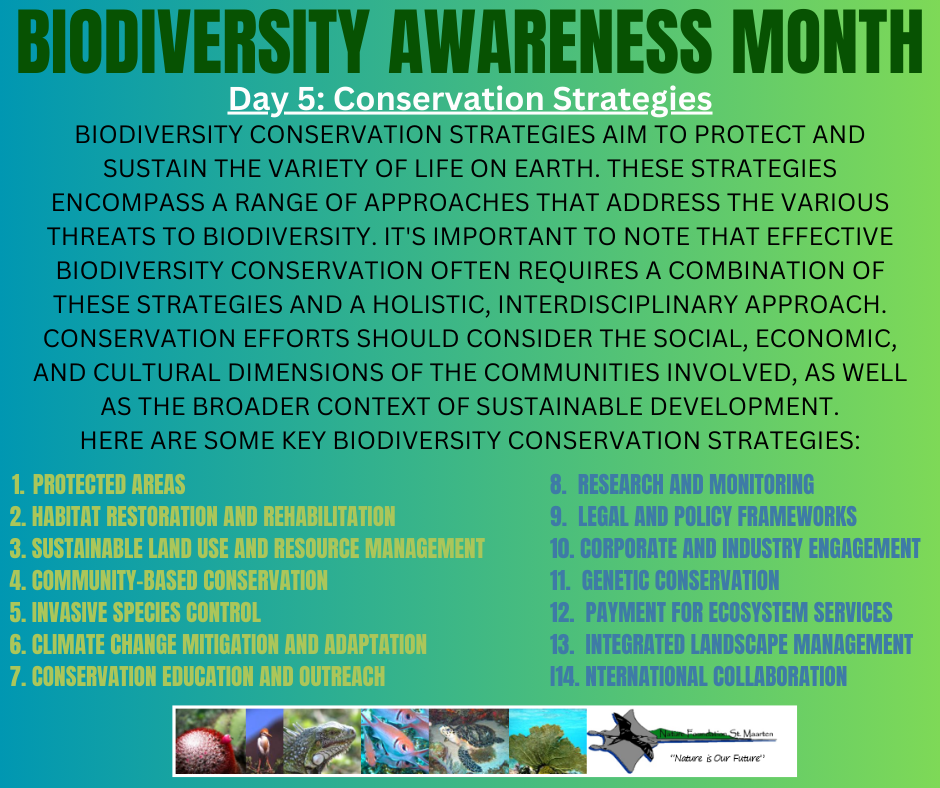
The Importance of Wildlife and Biodiversity Conservation
Wildlife and biodiversity are essential components of our planet’s ecosystems. They play a crucial role in maintaining the balance of nature and providing numerous benefits to humans. Conservation efforts aimed at protecting wildlife and biodiversity are more critical now than ever before due to increasing threats such as habitat destruction, climate change, pollution, and poaching.
Preserving Ecosystem Health
Wildlife and biodiversity conservation are vital for preserving ecosystem health. Each species, no matter how small or seemingly insignificant, contributes to the functioning of an ecosystem. From pollination by bees to nutrient cycling by decomposers, every organism plays a part in maintaining the balance of nature. By conserving wildlife and biodiversity, we ensure that ecosystems remain resilient and can continue to provide essential services such as clean air, water, and food.
Safeguarding Genetic Diversity
Biodiversity encompasses genetic diversity within species, between species, and of ecosystems. This genetic diversity is essential for adaptation to changing environmental conditions. By conserving a wide range of genetic traits within populations, we increase their chances of survival in the face of threats like disease outbreaks or climate shifts. Preserving genetic diversity through wildlife conservation efforts is key to ensuring the long-term viability of species.
Promoting Ecotourism and Economic Benefits
Wildlife and biodiversity conservation also have significant economic benefits. Many regions rely on ecotourism as a source of income, attracting visitors who want to experience nature in its pristine state. By protecting natural habitats and wildlife populations, countries can create sustainable tourism opportunities that generate revenue while preserving their natural heritage for future generations.
Challenges and Solutions
Despite the importance of wildlife and biodiversity conservation, numerous challenges exist, including habitat loss, overexploitation, pollution, climate change, and invasive species. Addressing these threats requires a multi-faceted approach that involves government policies, community engagement, scientific research, education initiatives, and international cooperation.
Conclusion
Conserving wildlife and biodiversity is not just a moral imperative but a necessity for the well-being of our planet and future generations. By working together to protect our natural heritage, we can ensure a sustainable future where humans coexist harmoniously with all living beings on Earth.
Understanding Wildlife and Biodiversity Conservation: Key Questions and Answers
- What is wildlife conservation?
- Why is biodiversity important for ecosystems?
- What are the main threats to wildlife and biodiversity?
- How can I get involved in wildlife conservation efforts?
- What role does climate change play in impacting wildlife and biodiversity?
- Are there any success stories in wildlife and biodiversity conservation?
- How does habitat loss affect endangered species?
What is wildlife conservation?
Wildlife conservation refers to the practice of protecting and preserving wild animals, plants, and their habitats. It involves efforts to ensure the survival of various species and maintain biodiversity in ecosystems. Wildlife conservation aims to prevent the extinction of species, restore degraded habitats, and promote sustainable coexistence between humans and wildlife. By implementing measures such as habitat restoration, anti-poaching initiatives, captive breeding programs, and public awareness campaigns, wildlife conservation plays a crucial role in safeguarding the natural world for future generations.
Why is biodiversity important for ecosystems?
Biodiversity is crucial for ecosystems as it supports the intricate web of life within them. The variety of species present in an ecosystem ensures resilience and stability, making it more adaptable to environmental changes. Each species, no matter how small, plays a unique role in maintaining the balance of the ecosystem by contributing to processes such as nutrient cycling, pollination, and pest control. Higher biodiversity also increases productivity and efficiency within ecosystems, leading to healthier habitats for all organisms. Ultimately, biodiversity is essential for the functioning of ecosystems and the well-being of all life forms that depend on them.
What are the main threats to wildlife and biodiversity?
The main threats to wildlife and biodiversity stem from human activities that disrupt natural ecosystems. Habitat destruction, caused by deforestation, urbanization, and agriculture expansion, is a primary threat leading to the loss of critical habitats for many species. Climate change poses a significant challenge as rising temperatures, changing precipitation patterns, and extreme weather events alter habitats and disrupt species’ life cycles. Overexploitation through activities like hunting, fishing, and illegal wildlife trade threatens numerous species with extinction. Pollution from industrial activities, agriculture runoff, and plastic waste also harms wildlife and ecosystems. Invasive species introduced by human actions can outcompete native species and disrupt entire ecosystems. Addressing these threats requires concerted efforts to promote sustainable practices, protect habitats, combat climate change, regulate exploitation, reduce pollution, and control invasive species to safeguard wildlife and biodiversity for future generations.
How can I get involved in wildlife conservation efforts?
To get involved in wildlife conservation efforts, there are various ways you can make a difference. You can volunteer with local conservation organizations or wildlife sanctuaries to help with fieldwork, research, or educational programs. Another way is to support conservation initiatives through donations or fundraising campaigns. Additionally, you can raise awareness about wildlife conservation by sharing information on social media, participating in community events, or organizing educational workshops. By taking action and getting involved, you can play a vital role in protecting and preserving our precious wildlife and biodiversity for future generations.
What role does climate change play in impacting wildlife and biodiversity?
Climate change plays a significant role in impacting wildlife and biodiversity by altering habitats, disrupting ecosystems, and affecting the life cycles of various species. Rising temperatures, changing precipitation patterns, and extreme weather events can force species to migrate to new areas in search of suitable conditions, leading to shifts in species distribution and potential loss of biodiversity. Additionally, ocean acidification and rising sea levels threaten marine ecosystems, while changes in temperature can impact breeding seasons and food availability for many species. Overall, climate change poses a serious threat to the survival of wildlife and the maintenance of biodiversity, highlighting the urgent need for conservation efforts to mitigate its effects.
Are there any success stories in wildlife and biodiversity conservation?
There are indeed several success stories in wildlife and biodiversity conservation that offer hope and inspiration. One notable example is the recovery of the bald eagle population in the United States, which was on the brink of extinction due to habitat loss and pesticide use. Through concerted conservation efforts, including habitat protection, banning harmful pesticides, and captive breeding programs, the bald eagle population has rebounded significantly, leading to its removal from the endangered species list. This achievement demonstrates that with dedicated action and collaboration, it is possible to reverse the decline of species and restore ecosystems to a healthier state.
How does habitat loss affect endangered species?
Habitat loss poses a significant threat to endangered species by directly impacting their ability to survive and thrive in their natural environments. As habitats are destroyed or fragmented due to human activities such as deforestation, urbanization, and agriculture, endangered species lose access to crucial resources like food, shelter, and breeding grounds. This disruption can lead to population decline, increased competition for limited resources, and heightened vulnerability to predation and disease. Without suitable habitats, endangered species face a higher risk of extinction as they struggle to adapt to rapidly changing conditions and find new areas to inhabit. Protecting and restoring habitats is essential for the conservation of endangered species, ensuring their continued existence for future generations.