
The Role of Climate Action in Achieving Sustainable Development Goals
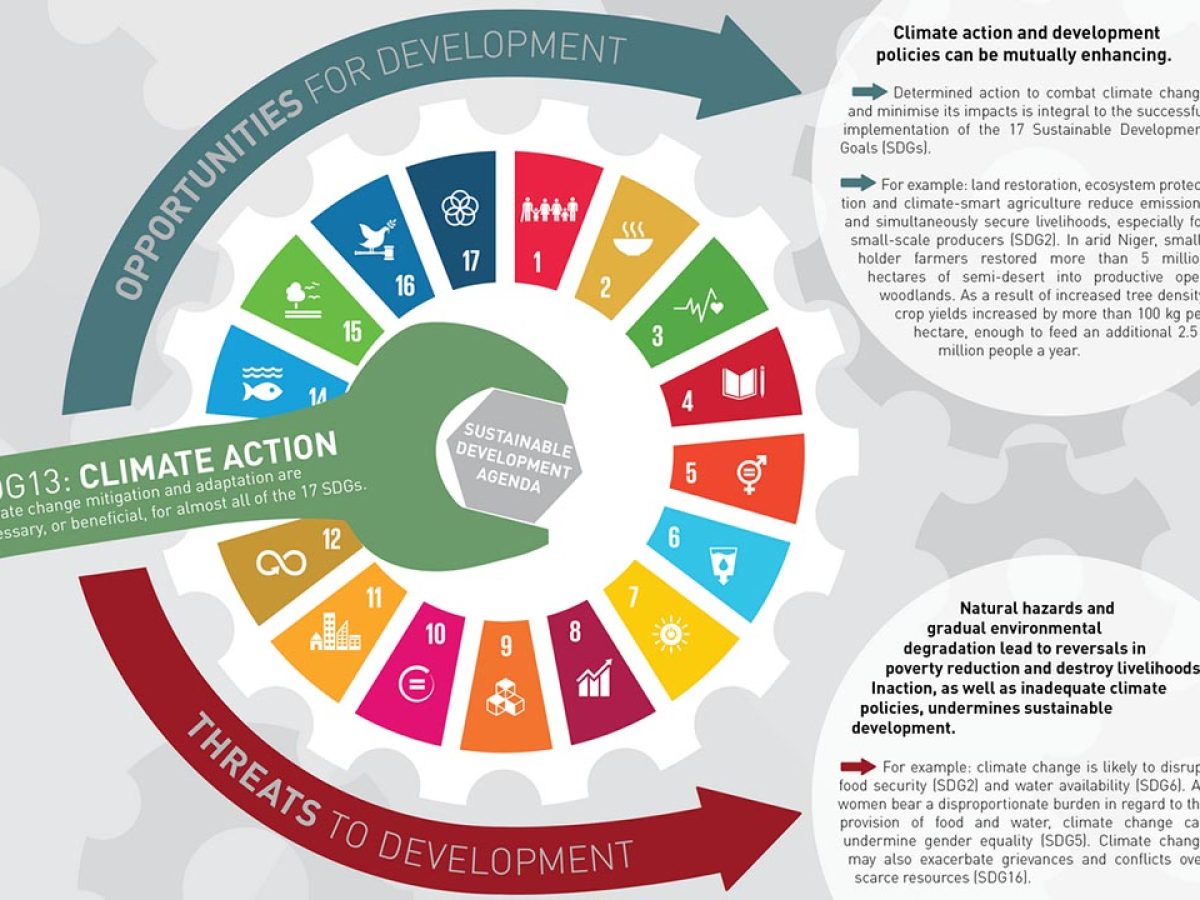
Climate action plays a crucial role in achieving the Sustainable Development Goals (SDGs) set forth by the United Nations. The SDGs are a universal call to action to end poverty, protect the planet, and ensure prosperity for all by 2030. Addressing climate change is central to the success of these goals as it impacts various aspects of sustainable development.
Goal 13: Climate Action
Goal 13 specifically focuses on taking urgent action to combat climate change and its impacts. This goal recognizes that climate change is a global challenge that affects everyone, regardless of borders or socio-economic status. By mitigating greenhouse gas emissions, promoting renewable energy sources, and building resilience to climate-related hazards, countries can work towards a more sustainable future.
Interconnectedness with Other Goals
Climate action is closely linked to many other SDGs. For instance:
- Goal 1: No Poverty – Climate change disproportionately affects the most vulnerable populations, exacerbating poverty and inequality.
- Goal 7: Affordable and Clean Energy – Transitioning to renewable energy sources is essential for reducing carbon emissions and combating climate change.
- Goal 11: Sustainable Cities and Communities – Planning resilient cities and promoting sustainable transportation can help reduce carbon footprints and enhance urban sustainability.
- Goal 15: Life on Land – Protecting ecosystems from the impacts of climate change is essential for biodiversity conservation and ecosystem services.
The Urgency of Climate Action
The effects of climate change are already being felt worldwide through extreme weather events, sea-level rise, biodiversity loss, and more. Urgent action is needed to limit global warming and its catastrophic consequences. Governments, businesses, communities, and individuals must work together to implement sustainable practices that reduce carbon emissions and promote environmental stewardship.
A Call for Collaboration
Achieving climate action within the framework of the SDGs requires collaboration at all levels. Governments need to enact policies that support renewable energy initiatives and incentivize sustainable practices. Businesses must adopt green technologies and reduce their environmental footprint. Civil society plays a crucial role in advocating for climate-friendly policies and raising awareness about the importance of sustainability.
In conclusion, integrating climate action into sustainable development efforts is essential for building a more resilient, equitable, and prosperous future for all. By working towards Goal 13 alongside other SDGs, we can create a world where people and planet thrive together sustainably.
Exploring Climate Action’s Role and Impact in Achieving Sustainable Development Goals: Key Questions Answered
- What is the importance of climate action in achieving sustainable development goals?
- How does climate change impact sustainable development goals?
- What specific goal of the Sustainable Development Goals (SDGs) focuses on climate action?
- Why is combating climate change considered a global challenge in the context of sustainable development goals?
- What are some examples of how climate action is interconnected with other SDGs?
- What urgent actions are needed to address climate change and its impacts on sustainable development goals?
- How can governments, businesses, and individuals collaborate to promote climate action within the SDGs framework?
- What role does education and awareness play in advancing climate action as part of sustainable development goals?
What is the importance of climate action in achieving sustainable development goals?
The importance of climate action in achieving sustainable development goals cannot be overstated. Climate change poses a significant threat to the well-being of our planet and its inhabitants, impacting ecosystems, economies, and societies worldwide. By addressing climate change through concrete actions such as reducing greenhouse gas emissions, transitioning to renewable energy sources, and enhancing resilience to climate-related disasters, we not only mitigate the risks associated with global warming but also pave the way for a more sustainable future. Climate action is intricately linked to various aspects of sustainable development, including poverty alleviation, biodiversity conservation, and social equity. Without effective measures to combat climate change, achieving the Sustainable Development Goals becomes increasingly challenging. Therefore, prioritizing climate action is essential for building a more resilient and prosperous world for current and future generations.
How does climate change impact sustainable development goals?
Climate change has a profound impact on the achievement of sustainable development goals by exacerbating existing challenges and creating new obstacles. Rising global temperatures, extreme weather events, sea-level rise, and disruptions to ecosystems all contribute to environmental degradation and socio-economic vulnerabilities. Climate change affects food security, water availability, health outcomes, infrastructure resilience, and overall human well-being. Without effective climate action, progress towards sustainable development goals is at risk as communities face increased risks of poverty, inequality, and environmental degradation. Addressing climate change is therefore essential to ensure the long-term success of sustainable development efforts and build a more resilient and equitable future for all.
What specific goal of the Sustainable Development Goals (SDGs) focuses on climate action?
One of the key Sustainable Development Goals (SDGs) that specifically targets climate action is Goal 13: Climate Action. This goal emphasizes the urgent need to combat climate change and its impacts by implementing measures to reduce greenhouse gas emissions, promote renewable energy sources, and enhance resilience to climate-related hazards. Goal 13 recognizes the global nature of climate change and underscores the importance of collective efforts in addressing this critical issue to ensure a sustainable future for all.
Why is combating climate change considered a global challenge in the context of sustainable development goals?
Combating climate change is considered a global challenge within the context of sustainable development goals because the impacts of climate change transcend national borders and affect every aspect of sustainable development. Climate change poses threats to ecosystems, economies, human health, and social stability worldwide. By addressing climate change as a global challenge, countries can work together to reduce greenhouse gas emissions, adapt to changing environmental conditions, and promote sustainable practices that benefit both current and future generations. Climate action is essential for achieving the SDGs as it underpins efforts to eradicate poverty, protect the environment, and ensure a prosperous and equitable future for all.
What are some examples of how climate action is interconnected with other SDGs?
Climate action is intricately interconnected with several other Sustainable Development Goals (SDGs), demonstrating the interdependence of environmental sustainability with broader development objectives. For instance, in pursuit of Goal 1: No Poverty, addressing climate change is crucial as it disproportionately affects marginalized communities and exacerbates poverty. Additionally, Goal 7: Affordable and Clean Energy aligns with climate action by promoting the transition to renewable energy sources, thereby reducing greenhouse gas emissions. Furthermore, efforts towards Goal 11: Sustainable Cities and Communities involve planning resilient urban areas that mitigate climate risks and promote sustainable transportation options. These examples illustrate how climate action is intertwined with various SDGs, emphasizing the need for integrated approaches to achieve sustainable development goals effectively.
What urgent actions are needed to address climate change and its impacts on sustainable development goals?
To address climate change and its impacts on sustainable development goals, urgent actions are needed at both global and local levels. Firstly, immediate reductions in greenhouse gas emissions are essential to limit global warming and mitigate the effects of climate change. Transitioning to renewable energy sources, improving energy efficiency, and promoting sustainable transportation are crucial steps in this direction. Additionally, enhancing resilience to climate-related hazards through better urban planning, ecosystem conservation, and disaster preparedness is vital for safeguarding communities and ecosystems from the impacts of a changing climate. Collaboration among governments, businesses, civil society, and individuals is key to implementing effective solutions that promote climate action within the framework of sustainable development goals.
How can governments, businesses, and individuals collaborate to promote climate action within the SDGs framework?
Collaboration among governments, businesses, and individuals is essential to promote climate action within the Sustainable Development Goals (SDGs) framework. Governments can lead by enacting policies that support renewable energy adoption, incentivize sustainable practices, and set ambitious emission reduction targets. Businesses play a crucial role by implementing green technologies, reducing carbon footprints, and investing in sustainable solutions. Individuals can contribute by adopting eco-friendly habits, advocating for climate-friendly policies, and supporting initiatives that promote environmental conservation. By working together towards a common goal of combating climate change within the SDGs framework, we can create a more sustainable future for generations to come.
What role does education and awareness play in advancing climate action as part of sustainable development goals?
Education and awareness play a pivotal role in advancing climate action as part of the Sustainable Development Goals (SDGs). By educating individuals about the causes and impacts of climate change, as well as promoting awareness of sustainable practices, we can empower people to make informed decisions that contribute to a more sustainable future. Through education, we can foster a sense of responsibility towards the environment and inspire collective action towards mitigating climate change. Increased awareness leads to behavioral changes, policy advocacy, and community engagement that are essential for achieving climate action within the framework of the SDGs.