
The Urgency of Climate Change and the Call for Climate Action
Climate change is one of the most pressing issues of our time, with far-reaching impacts on our planet and all living beings. The scientific consensus is clear: human activities, particularly the burning of fossil fuels and deforestation, are driving unprecedented changes in our climate system.
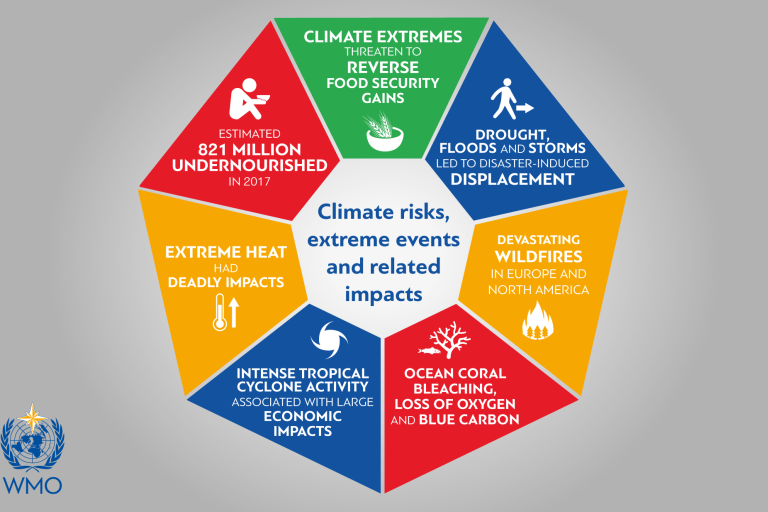
Rising global temperatures, melting ice caps, more frequent extreme weather events, and disruptions to ecosystems are just some of the consequences we are already witnessing. The urgency to address climate change has never been greater, as its effects are felt across the globe – from vulnerable communities facing displacement due to sea-level rise to farmers experiencing crop failures from erratic weather patterns.
The Role of Climate Action
Climate action encompasses a wide range of efforts aimed at mitigating and adapting to climate change. It involves reducing greenhouse gas emissions, transitioning to renewable energy sources, protecting forests and biodiversity, implementing sustainable agriculture practices, and building resilience in communities vulnerable to climate impacts.
Individuals, communities, businesses, governments, and organizations all have a role to play in taking climate action. By making conscious choices in our daily lives – such as reducing energy consumption, using public transportation or cycling instead of driving, supporting sustainable products and businesses – we can collectively make a difference.
The Call for Global Cooperation
Addressing climate change requires global cooperation and solidarity. The Paris Agreement, adopted in 2015 by nearly every country in the world, sets out a framework for international collaboration to limit global warming well below 2 degrees Celsius above pre-industrial levels. However, more ambitious actions are needed to achieve this goal and prevent catastrophic climate impacts.
As individuals and as a society, we must advocate for policies that prioritize sustainability, support clean technologies, protect natural ecosystems, and ensure a just transition for workers in carbon-intensive industries. By working together towards a common goal of a sustainable future for all, we can create a world where future generations can thrive in harmony with nature.
7 Benefits of Climate Action: Cleaner Air, Job Growth, and a Sustainable Future
- Mitigating climate change can lead to cleaner air and improved public health.
- Investing in renewable energy sources creates new job opportunities and stimulates economic growth.
- Climate action helps protect vulnerable ecosystems and biodiversity from irreversible damage.
- Transitioning to sustainable practices reduces our dependence on finite resources like fossil fuels.
- Adapting to climate change can enhance community resilience in the face of extreme weather events.
- Promoting green transportation options reduces carbon emissions and alleviates traffic congestion.
- Supporting climate action fosters innovation and technological advancements for a greener future.
Challenges of Climate Change and Climate Action: From Natural Disasters to Economic and Social Impacts
- Climate change leads to more frequent and severe natural disasters such as hurricanes, wildfires, and floods, causing loss of lives and property.
- Mitigating climate change requires significant investments in renewable energy infrastructure, which can be costly and challenging to implement on a large scale.
- Transitioning to a low-carbon economy may result in job losses in industries that rely heavily on fossil fuels, leading to economic disruptions and social challenges.
- Climate action initiatives often face political resistance and lack of consensus among policymakers, hindering the implementation of effective policies at a global level.
- Some communities may bear a disproportionate burden of climate impacts due to social inequalities, with marginalized populations facing greater risks from extreme weather events and environmental degradation.
- Addressing climate change requires long-term commitment and sustained efforts from all sectors of society, which can be difficult to maintain amidst competing priorities.
Mitigating climate change can lead to cleaner air and improved public health.
Mitigating climate change through proactive climate action initiatives can bring about a significant benefit of cleaner air and improved public health. By reducing greenhouse gas emissions and transitioning to cleaner energy sources, we can decrease air pollution levels, resulting in better respiratory health for communities. Cleaner air quality can help lower the rates of respiratory diseases, such as asthma and lung conditions, leading to improved overall well-being and quality of life for individuals. Investing in climate action not only helps protect our planet but also enhances public health outcomes, creating a healthier environment for current and future generations.
Investing in renewable energy sources creates new job opportunities and stimulates economic growth.
Investing in renewable energy sources not only helps combat climate change but also brings about a significant economic benefit by creating new job opportunities and stimulating overall economic growth. The transition to clean energy technologies like solar, wind, and hydroelectric power requires a skilled workforce for installation, maintenance, and innovation. This shift towards renewable energy not only reduces greenhouse gas emissions but also fosters a green economy that can drive innovation, attract investment, and create sustainable employment opportunities for communities worldwide.
Climate action helps protect vulnerable ecosystems and biodiversity from irreversible damage.
Climate action plays a crucial role in safeguarding vulnerable ecosystems and biodiversity from irreversible harm caused by climate change. By implementing measures to reduce greenhouse gas emissions, preserve natural habitats, and promote sustainable practices, we can mitigate the threats posed to delicate ecosystems and the diverse species that depend on them. Through concerted efforts in climate action, we can strive to maintain the balance of our planet’s biodiversity and ensure the long-term health and resilience of our natural world for future generations.
Transitioning to sustainable practices reduces our dependence on finite resources like fossil fuels.
Transitioning to sustainable practices offers a significant advantage in reducing our reliance on finite resources such as fossil fuels. By embracing renewable energy sources, promoting energy efficiency, and implementing eco-friendly practices, we can decrease the demand for non-renewable resources that contribute to climate change. This shift not only helps in mitigating the impacts of climate change but also paves the way for a more resilient and sustainable future where our energy needs are met through cleaner and more abundant sources.
Adapting to climate change can enhance community resilience in the face of extreme weather events.
Adapting to climate change can significantly enhance community resilience when facing extreme weather events. By implementing measures such as improving infrastructure, developing early warning systems, and enhancing emergency response plans, communities can better prepare for and respond to the increasing frequency and intensity of extreme weather events caused by climate change. Building resilience not only helps minimize the impacts of these events but also fosters a sense of unity and cooperation within the community, enabling them to recover more effectively and bounce back stronger in the face of adversity.
Promoting green transportation options reduces carbon emissions and alleviates traffic congestion.
Promoting green transportation options, such as cycling lanes, public transportation systems, and electric vehicles, not only helps reduce carbon emissions but also alleviates traffic congestion in urban areas. By encouraging the use of eco-friendly modes of transportation, we can significantly decrease the reliance on fossil fuel-powered vehicles that contribute to air pollution and greenhouse gas emissions. This shift towards sustainable transportation not only benefits the environment by improving air quality but also enhances the overall quality of life for communities by creating safer and more efficient mobility solutions.
Supporting climate action fosters innovation and technological advancements for a greener future.
Supporting climate action not only addresses the urgent need to combat climate change but also fosters innovation and technological advancements for a greener future. By investing in renewable energy sources, sustainable transportation solutions, and eco-friendly practices, we stimulate the development of new technologies that are essential for transitioning to a low-carbon economy. This proactive approach not only helps reduce greenhouse gas emissions but also creates opportunities for economic growth, job creation, and a more sustainable way of living for generations to come.
Climate change leads to more frequent and severe natural disasters such as hurricanes, wildfires, and floods, causing loss of lives and property.
Climate change poses a significant con in the form of increasing the frequency and severity of natural disasters like hurricanes, wildfires, and floods. These extreme events result in devastating consequences, leading to the loss of lives and property. The intensification of these disasters due to climate change amplifies the risks faced by communities worldwide, underscoring the urgent need for proactive climate action to mitigate these impacts and build resilience in vulnerable regions.
Mitigating climate change requires significant investments in renewable energy infrastructure, which can be costly and challenging to implement on a large scale.
Mitigating climate change presents a significant challenge due to the substantial investments required in renewable energy infrastructure. Transitioning to clean energy sources on a large scale demands substantial financial resources and poses logistical hurdles that can be daunting. The costs associated with developing and deploying renewable energy technologies, such as solar panels and wind turbines, can be prohibitive for many countries and organizations. Overcoming these financial barriers and scaling up renewable energy projects to effectively combat climate change remains a critical obstacle in the global efforts towards sustainability.
Transitioning to a low-carbon economy may result in job losses in industries that rely heavily on fossil fuels, leading to economic disruptions and social challenges.
Transitioning to a low-carbon economy, while essential for mitigating climate change, poses a significant con in the form of potential job losses in industries heavily dependent on fossil fuels. This shift could result in economic disruptions and social challenges as workers in sectors like coal mining or oil extraction may face unemployment or need to retrain for new roles. It is crucial for climate action policies to address these challenges by providing support for affected workers and communities, ensuring a just transition that safeguards livelihoods while advancing towards a sustainable future.
Climate action initiatives often face political resistance and lack of consensus among policymakers, hindering the implementation of effective policies at a global level.
Climate action initiatives encounter a significant challenge in the form of political resistance and a lack of consensus among policymakers. This obstacle hampers the progress towards implementing impactful policies on a global scale. The differing priorities and interests of various stakeholders can lead to delays or watered-down measures, preventing the swift and comprehensive action needed to address the urgent threat of climate change. Overcoming these barriers requires concerted efforts to bridge ideological divides, build alliances, and foster a shared commitment to sustainable solutions that benefit both people and the planet.
Some communities may bear a disproportionate burden of climate impacts due to social inequalities, with marginalized populations facing greater risks from extreme weather events and environmental degradation.
Some communities may bear a disproportionate burden of climate impacts due to social inequalities, with marginalized populations facing greater risks from extreme weather events and environmental degradation. The confluence of poverty, lack of access to resources, and historical injustices exacerbates the vulnerability of these communities to the effects of climate change. Without targeted interventions and equitable climate action, these marginalized groups are at risk of bearing the brunt of environmental challenges, further widening existing social disparities. Addressing this con requires not only mitigating climate change but also addressing systemic inequalities to ensure a more just and sustainable future for all.
Addressing climate change requires long-term commitment and sustained efforts from all sectors of society, which can be difficult to maintain amidst competing priorities.
Addressing climate change poses a significant challenge due to the necessity for long-term commitment and sustained efforts from all sectors of society. This can be particularly difficult to maintain amidst competing priorities such as economic growth, social issues, and political agendas. The urgency of climate action often clashes with short-term interests, making it a complex task to garner consistent support and resources for comprehensive solutions. Balancing immediate needs with long-term sustainability goals requires a shift in mindset and a collective willingness to prioritize the health of our planet for future generations despite the obstacles that may arise along the way.