
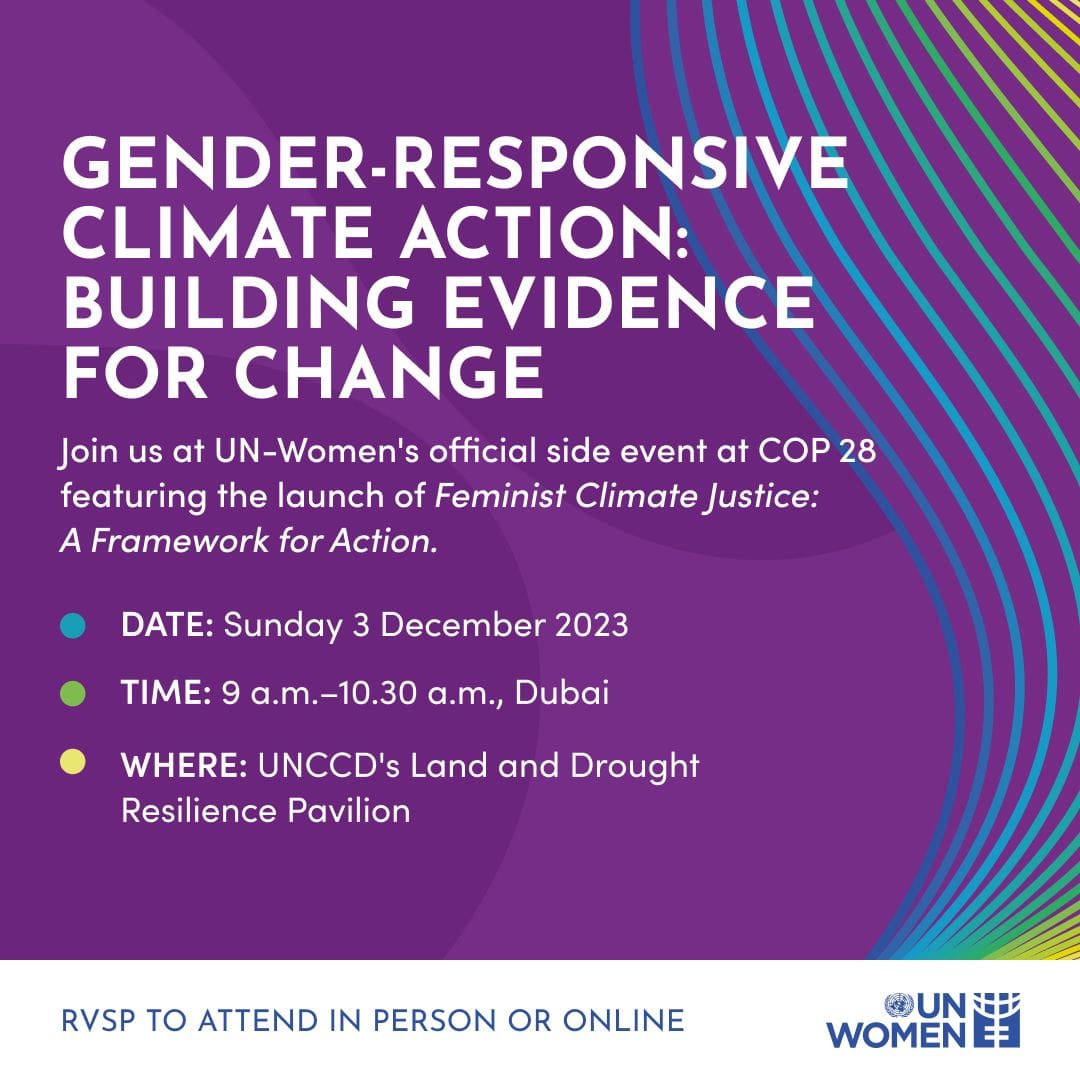
Gender-Responsive Climate Action: Empowering Women for a Sustainable Future
Climate change is one of the most pressing challenges of our time, affecting every corner of the globe. As we strive to mitigate its impacts and adapt to the changes already underway, it is crucial to ensure that our efforts are inclusive and considerate of gender dynamics. Gender-responsive climate action recognizes the unique vulnerabilities and strengths of women in the face of environmental challenges.
The Importance of Gender Equality in Climate Action
Women often bear the brunt of climate change impacts, particularly in developing countries where they are more dependent on natural resources for their livelihoods. By empowering women and promoting gender equality in climate action, we can enhance resilience, reduce vulnerability, and foster sustainable development.
Key Strategies for Gender-Responsive Climate Action
**Empowering Women**: Providing women with access to education, resources, and decision-making processes enables them to contribute effectively to climate adaptation and mitigation efforts.
**Promoting Women’s Leadership**: Recognizing and supporting women’s leadership in environmental conservation and sustainable development initiatives is essential for driving positive change at all levels.
**Addressing Gender-Based Inequalities**: Tackling gender-based inequalities such as unequal access to land, water, and financial resources is crucial for ensuring that all individuals can participate equitably in climate action.
The Role of Women in Climate Solutions
Women play a central role in implementing practical solutions to climate change. From sustainable agriculture practices to community-based adaptation projects, women are at the forefront of innovative initiatives that promote environmental stewardship and resilience.
Conclusion
Gender-responsive climate action is not only a matter of social justice but also a strategic imperative for building a more sustainable future. By recognizing the importance of gender equality in our efforts to address climate change, we can create stronger, more resilient communities that are better equipped to face the challenges ahead.
Empowering Change: The Benefits of Gender-Responsive Climate Action
- Enhances resilience and adaptive capacity to climate change impacts.
- Promotes gender equality and women’s empowerment in decision-making processes.
- Leads to more effective and sustainable climate solutions by incorporating diverse perspectives.
- Reduces vulnerability of marginalized communities, particularly women, to environmental risks.
- Fosters innovative approaches to environmental conservation and sustainable development.
- Strengthens community resilience through inclusive and equitable participation.
Challenges Facing Gender-Responsive Climate Action: Overcoming Resistance, Resource Limitations, and Awareness Gaps
Enhances resilience and adaptive capacity to climate change impacts.
Gender-responsive climate action plays a crucial role in enhancing resilience and adaptive capacity to the impacts of climate change. By empowering women, promoting gender equality, and addressing gender-based inequalities, communities are better equipped to respond effectively to environmental challenges. Women’s involvement in climate action not only strengthens the ability to adapt to changing conditions but also fosters innovative solutions that benefit society as a whole. Recognizing and supporting women’s contributions in building resilience is key to creating a more sustainable and resilient future for all.
Promotes gender equality and women’s empowerment in decision-making processes.
Gender-responsive climate action plays a crucial role in promoting gender equality and empowering women in decision-making processes. By ensuring that women have a seat at the table in environmental initiatives, we not only address the specific needs and perspectives of women but also harness their valuable insights and expertise. Empowering women to participate actively in climate action not only benefits them individually but also contributes to more inclusive and effective solutions that benefit society as a whole.
Leads to more effective and sustainable climate solutions by incorporating diverse perspectives.
Gender-responsive climate action leads to more effective and sustainable climate solutions by incorporating diverse perspectives. When women are actively involved in decision-making processes and environmental initiatives, a wider range of experiences, knowledge, and innovative ideas come to the table. By embracing diverse perspectives, gender-responsive climate action can identify holistic solutions that address the complex challenges of climate change more comprehensively. This inclusive approach not only enhances the quality of strategies implemented but also ensures that the needs and priorities of all individuals are taken into account, leading to more resilient and equitable outcomes for communities worldwide.
Reduces vulnerability of marginalized communities, particularly women, to environmental risks.
Gender-responsive climate action plays a crucial role in reducing the vulnerability of marginalized communities, especially women, to environmental risks. By addressing the unique challenges faced by women in the context of climate change, such as limited access to resources and decision-making power, we can empower these communities to better adapt and respond to environmental threats. Through targeted initiatives that promote gender equality and inclusion, we can build more resilient societies where women are not only protected from environmental risks but also actively involved in shaping sustainable solutions for a more secure future.
Fosters innovative approaches to environmental conservation and sustainable development.
Gender-responsive climate action fosters innovative approaches to environmental conservation and sustainable development by harnessing the unique perspectives, skills, and experiences of women. When women are empowered to participate fully in decision-making processes and leadership roles, they bring fresh ideas and creative solutions to the table. By promoting gender equality in climate initiatives, we tap into a diverse range of talents and insights that can lead to more effective strategies for protecting our planet and building resilient communities for the future.
Strengthens community resilience through inclusive and equitable participation.
Gender-responsive climate action strengthens community resilience by fostering inclusive and equitable participation. When all members of a community, regardless of gender, have the opportunity to contribute their knowledge, skills, and perspectives to climate adaptation and mitigation efforts, the resilience of the community as a whole is enhanced. By ensuring that women are actively involved in decision-making processes and resource allocation related to climate action, we can tap into a wider range of expertise and experiences, leading to more effective and sustainable solutions that benefit everyone. Inclusive participation not only empowers individuals but also builds stronger, more cohesive communities better equipped to face the challenges posed by climate change.
Resistance to Change
Resistance to change poses a significant con in the implementation of gender-responsive climate action. In some cases, individuals or communities may be reluctant to embrace initiatives that promote gender equality due to deep-rooted traditional gender roles and societal norms. These barriers can hinder progress towards creating a more inclusive and equitable approach to addressing climate change. Overcoming resistance to change requires not only raising awareness about the benefits of gender-responsive strategies but also challenging and transforming outdated attitudes and beliefs that perpetuate gender inequalities.
Resource Constraints
Resource constraints present a significant challenge when it comes to implementing gender-responsive climate action. The need for additional resources, funding, and capacity-building efforts to support gender-sensitive initiatives can be a barrier, especially in contexts with limited financial support. Allocating the necessary resources to ensure that women are actively involved in climate solutions may strain already stretched budgets and hinder the effective implementation of gender-responsive strategies. Finding sustainable ways to address these resource constraints is essential to overcoming this con and advancing gender equality in climate action.
Lack of Awareness
A significant con of gender-responsive climate action is the lack of awareness or understanding about the importance of integrating gender perspectives into environmental initiatives. When stakeholders are unaware of the benefits of considering gender dynamics in climate action, there can be reluctance or apathy towards implementing inclusive policies and programs. This lack of awareness hinders progress towards achieving sustainable and equitable outcomes, as it overlooks the valuable contributions that gender-responsive approaches can make in addressing climate change challenges effectively.